History
Discover facts about history. Small discoveries that change the way you see familiar things.
History
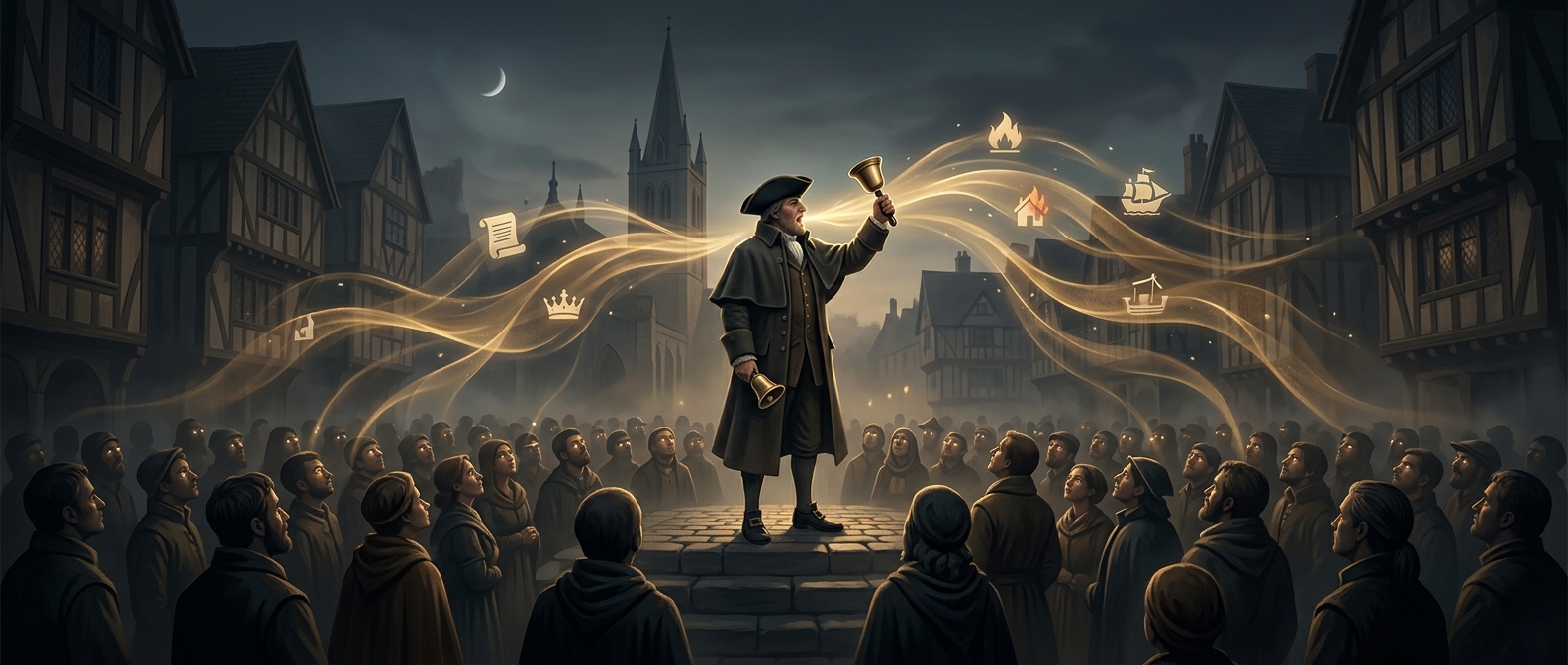
Town criers functioned as human news broadcasts
With no mass broadcast system, a bell gathered whoever was within earshot. The crier delivered news, orders, and local announcements aloud: one person and a…
Discover more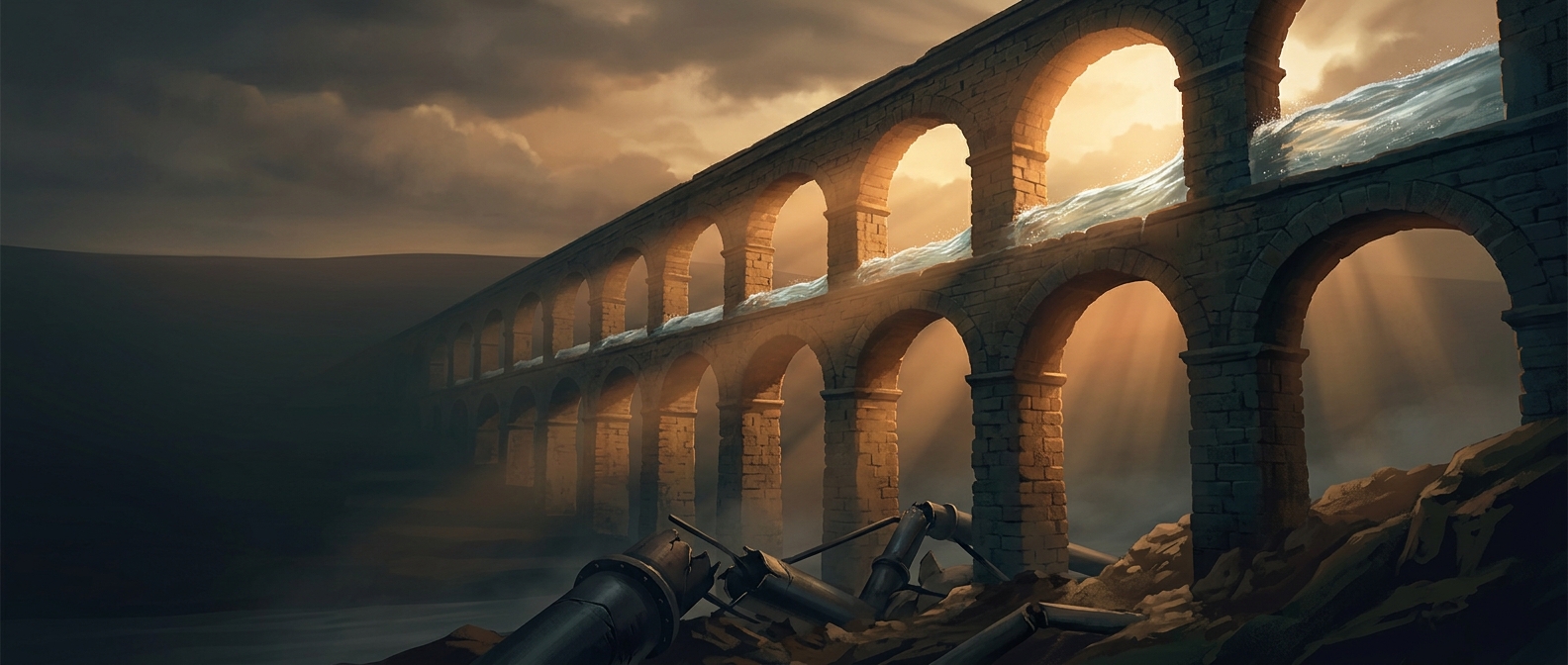
Roman aqueducts are better than modern pipes
Carefully graded stone channels let gravity move water for miles without pumps. That made aqueducts remarkably dependable—though modern pipes still have one…
Discover more
Elizabeth I's sugar habit left a mark on her smile
Visiting England in 1598, Paul Hentzner described the queen's blackened teeth and linked the damage to sugar. A food associated with luxury could visibly…
Discover more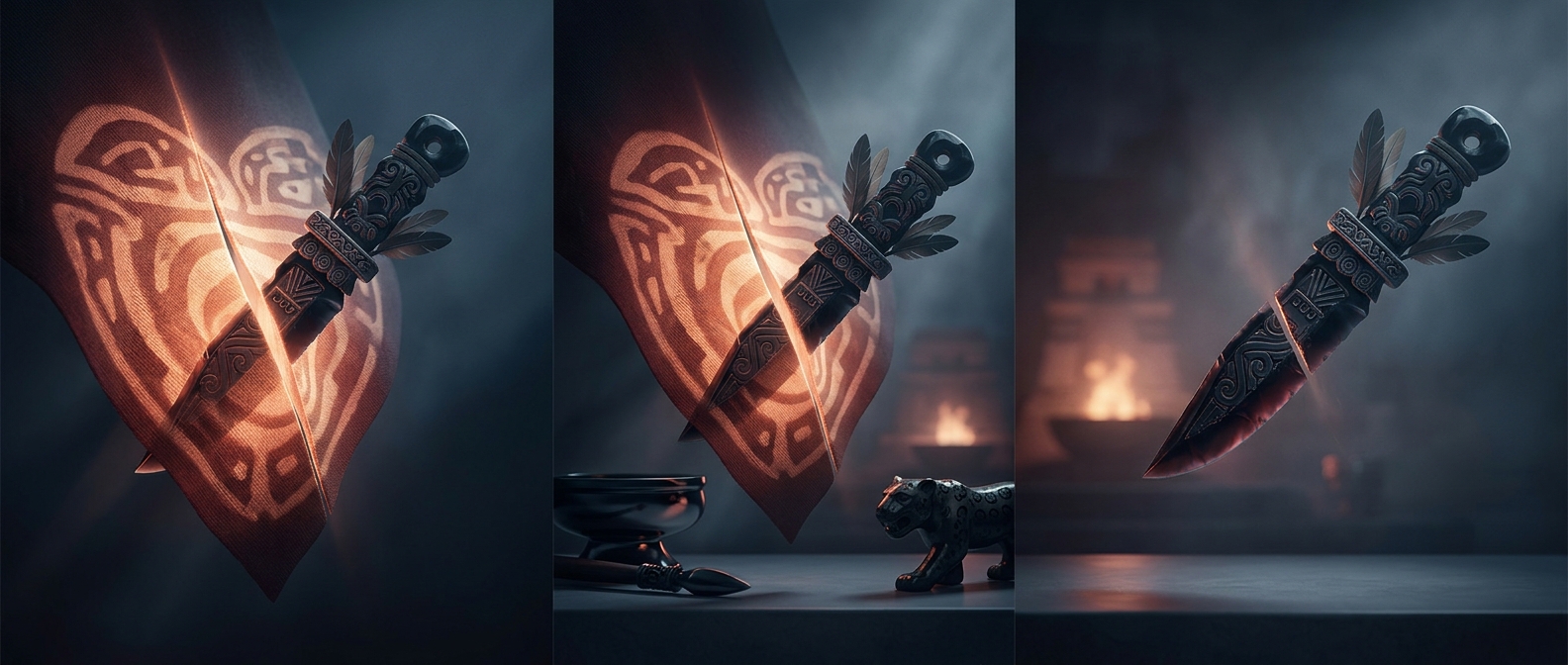
Aztec priests performed open-chest surgery with stone blades
Using a sharp stone blade, priests opened the chest and removed a still-beating heart. The procedure demanded anatomical precision, even as it served a ritual…
Discover more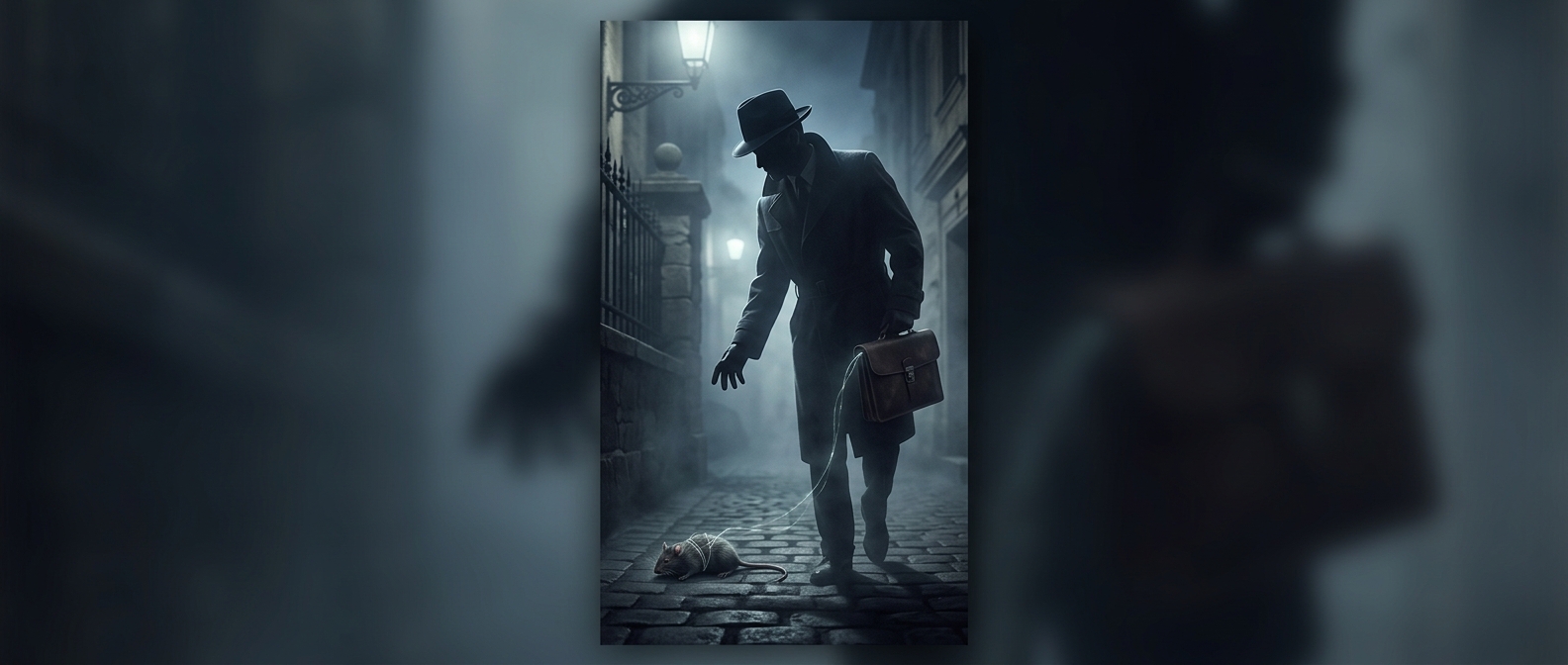
The CIA tried hiding messages in dead rats
Preserved rats could hold cash or film for an agent to retrieve without meeting a handler. The disguise had an unexpected weakness: cats wanted the packages.…
Discover more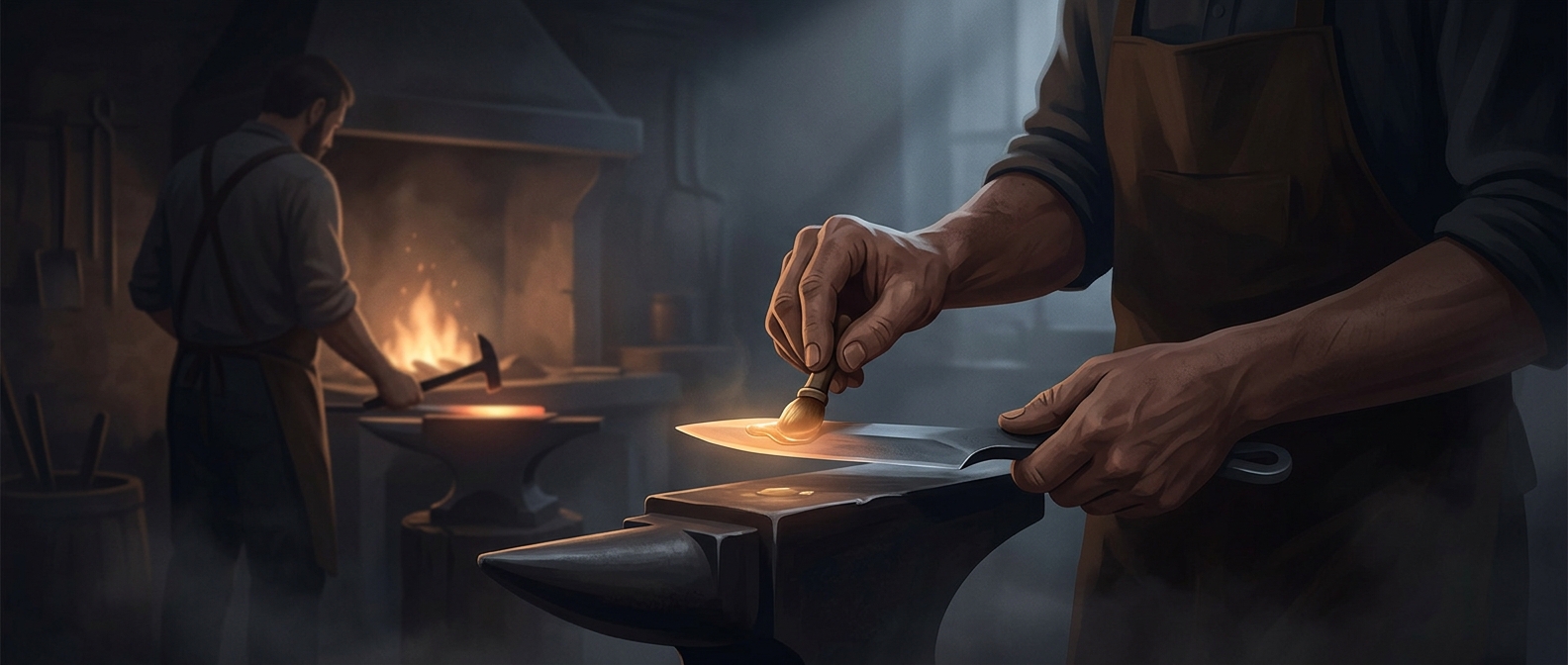
Wax lets acid draw a pattern into steel
In metal etching, a resistant coating such as beeswax protects the surface. Scratching a design through it exposes narrow areas for acid to attack while the…
Discover more STACKY FOR IPHONE
A bigger world.
One discovery
at a time.
Keep discovering with Stacky. Interesting facts in an app that is always within reach.
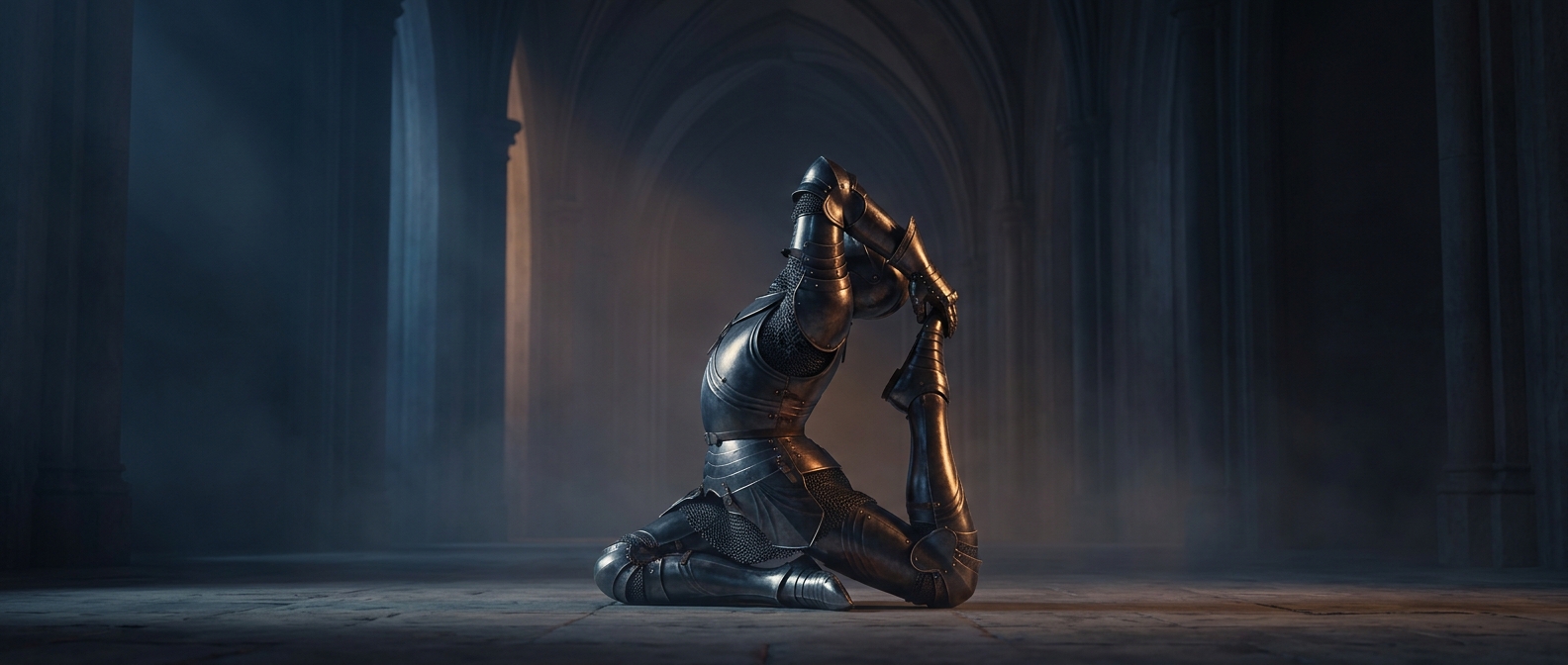
Knights needed stretching to fight in armor
Combat manuals prescribed daily stretching to keep joints flexible beneath heavy armor, contrary to the image of knights as stiff and lumbering.
Discover more
Tying pointless fabric strips on necks
A necktie is decorative rather than functional—and its dangling end can even end up in your soup.
Discover more
Spraying bottled smelly water on wrists
A few sprays of fragrance can be plenty; in a small, enclosed space, too much turns one person's scent into everyone's problem.
Discover more
The first man across the 1904 Olympic marathon line had taken a car
Fred Lorz stopped running and rode part of the course, then resumed on foot and reached the stadium first. He was disqualified after the ride came to light.…
Discover more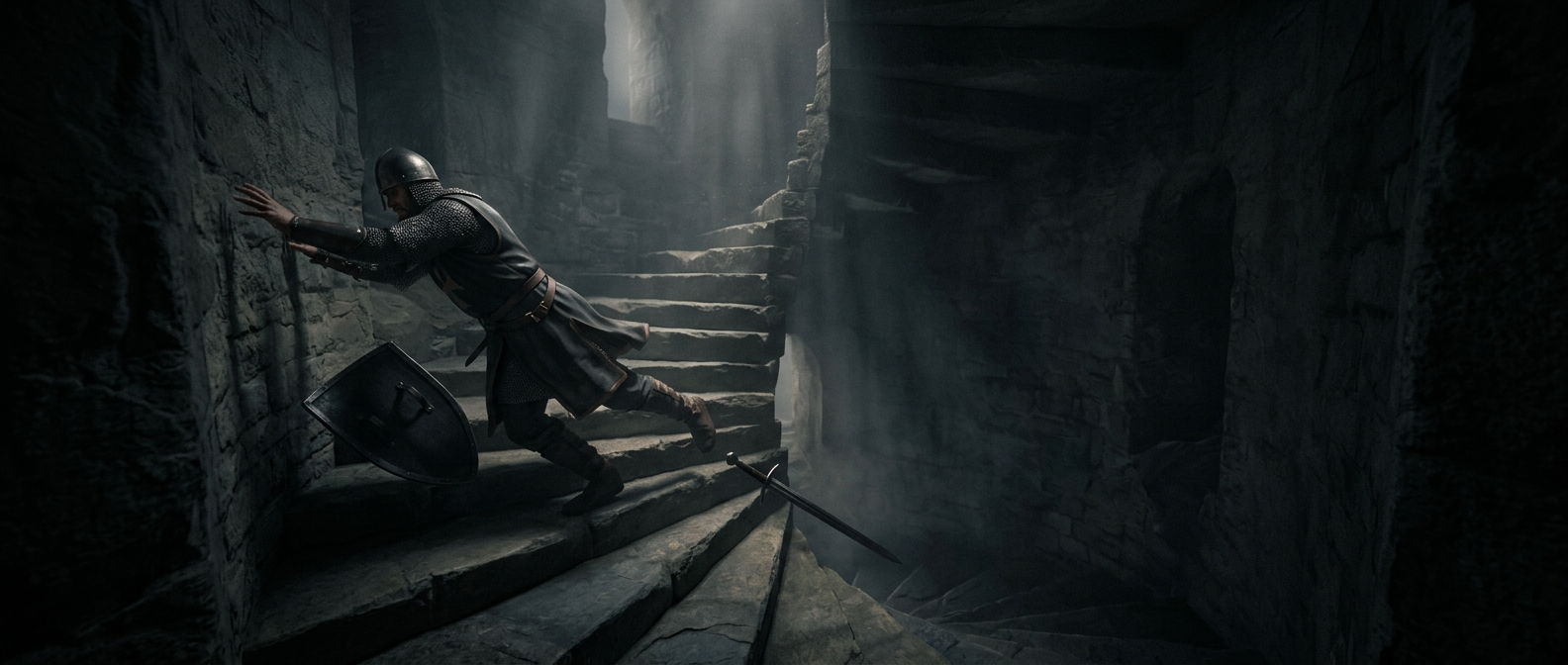
Why medieval castle stairs are uneven
Uneven steps could trip attackers who were climbing unfamiliar stairs in the dark. Defenders knew the layout; intruders had to guess where the next step would…
Discover more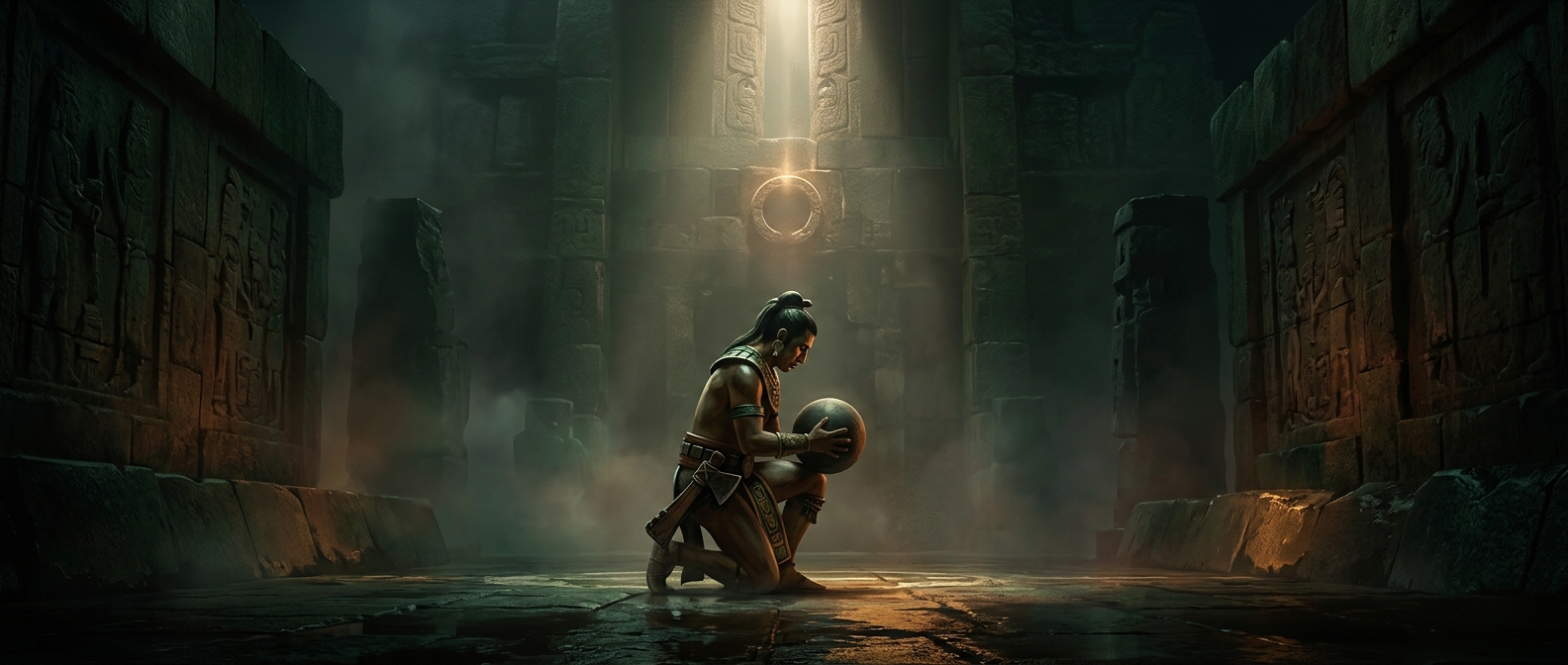
The Maya ballcourt was also a stage for ritual and power
Images and archaeological evidence connect ballgames with rulers, captives and sacrifice, not simply with recreation. A public match could display political…
Discover more
Underground bars required special secret knocks
A password whispered through a tiny slot turned the doorway into a checkpoint: patrons had to prove they belonged before the bar let them in.
Discover more
Why samurai wrote poetry before going to war
Samurai were expected to be refined as well as fierce, so some wrote verses about cherry blossoms before battle. Poetry wasn’t separate from the warrior…
Discover more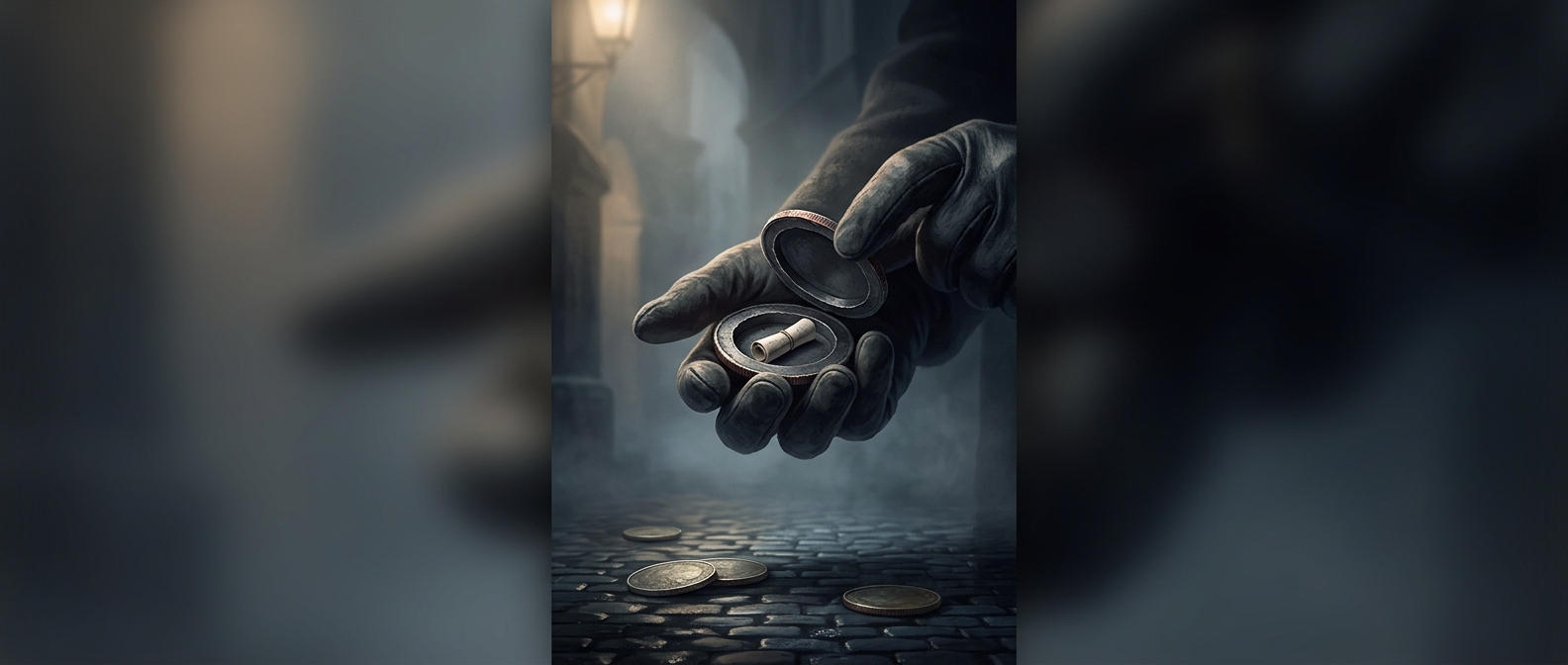
A newspaper boy dropped a nickel and opened a Soviet spy case
In Brooklyn in 1953, a delivery boy's coin split apart when it hit the floor. Inside was a tiny photograph of coded numbers. The hollow nickel reached the FBI…
Discover more
Polite rooms once needed a place for tobacco spit
Spittoons were everyday objects in homes, inns and other public spaces where people chewed tobacco. Museum examples include pewter vessels with removable,…
Discover more
Aristocrats once settled disputes with pistols at dawn
Even minor disputes could end at dawn with inaccurate, single-shot pistols. A ritual meant to settle an argument made the outcome dangerously unpredictable.
Discover more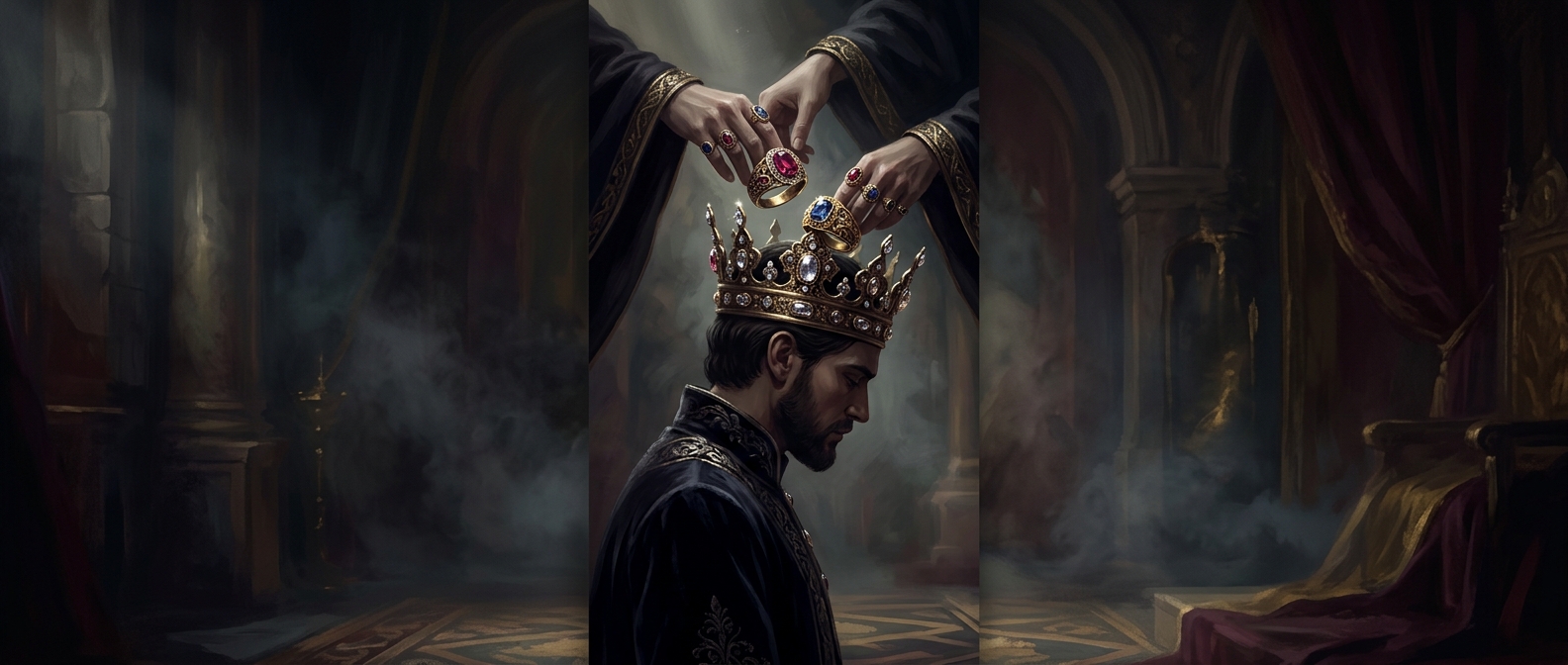
Placing heavy jeweled rings on the heads of royalty
A heavy jeweled crown made royal status unmistakable—and required a strong neck to wear.
Discover more
Pet taxidermy preserves the appearance more than the body
A taxidermist generally prepares the animal's skin and arranges it over a shaped form, using artificial eyes and other finishing materials. Recreating a…
Discover more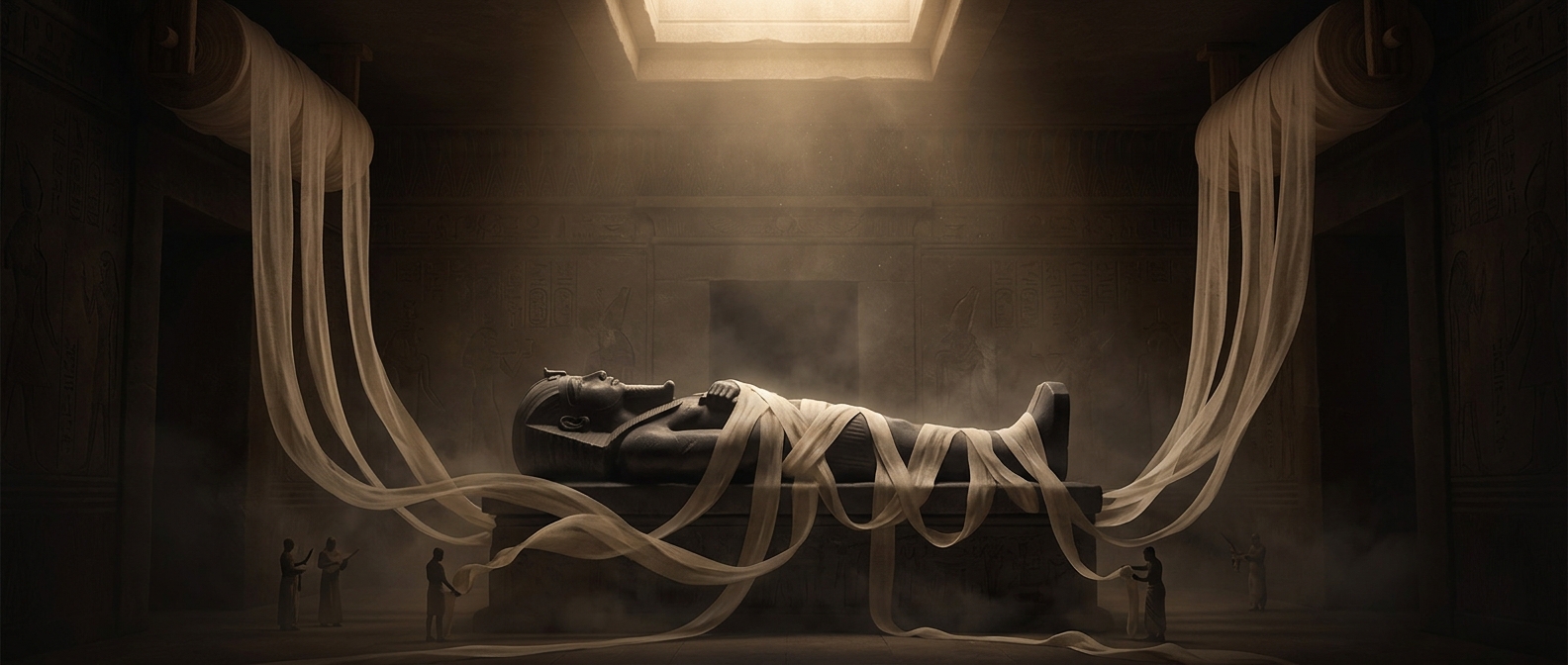
Wrapping dead Pharaohs in miles of incredibly old linen
Mummifiers dried the bodies with salt, then wound them in linen layer after layer. The wrapping helped prepare the dead for the afterlife—and turned…
Discover more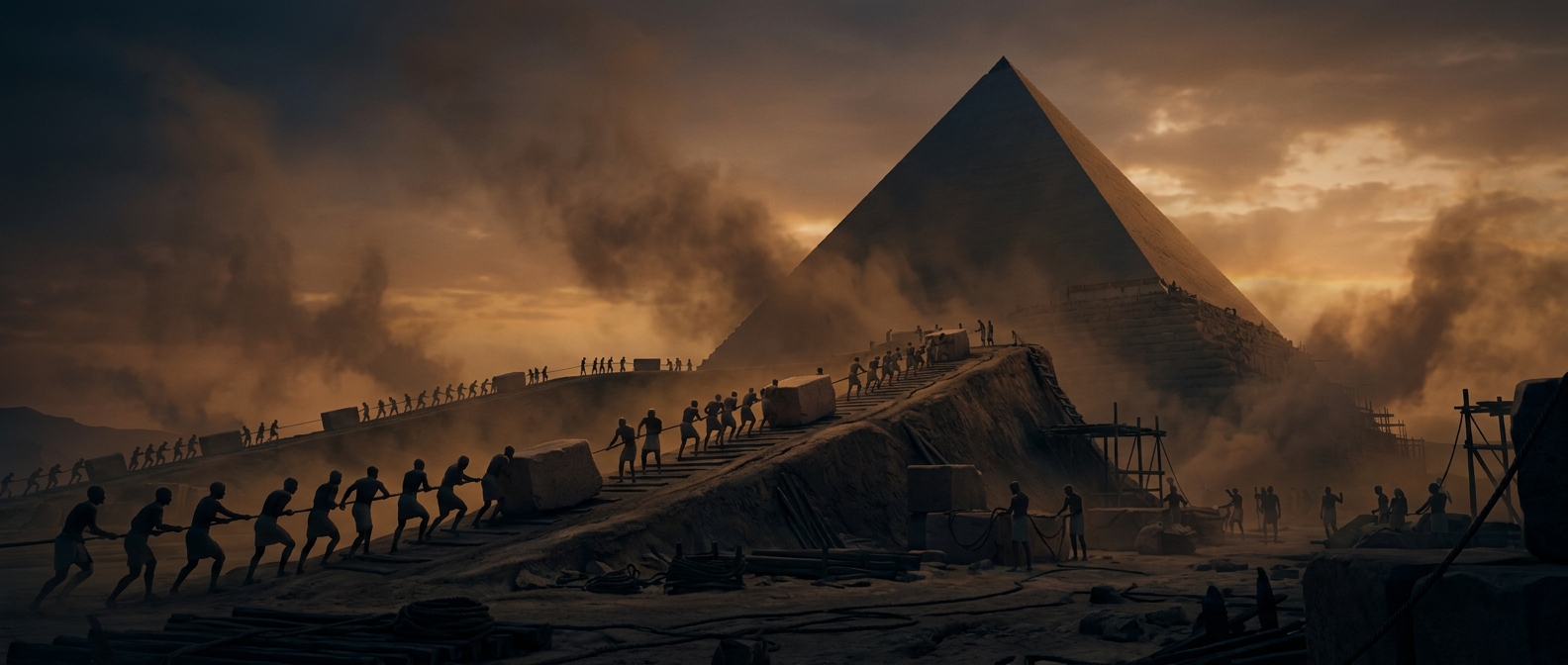
Stacking millions of heavy stones to build a giant tomb
Workers hauled the blocks across difficult terrain to build a monumental tomb for a ruler regarded as divine.
Discover more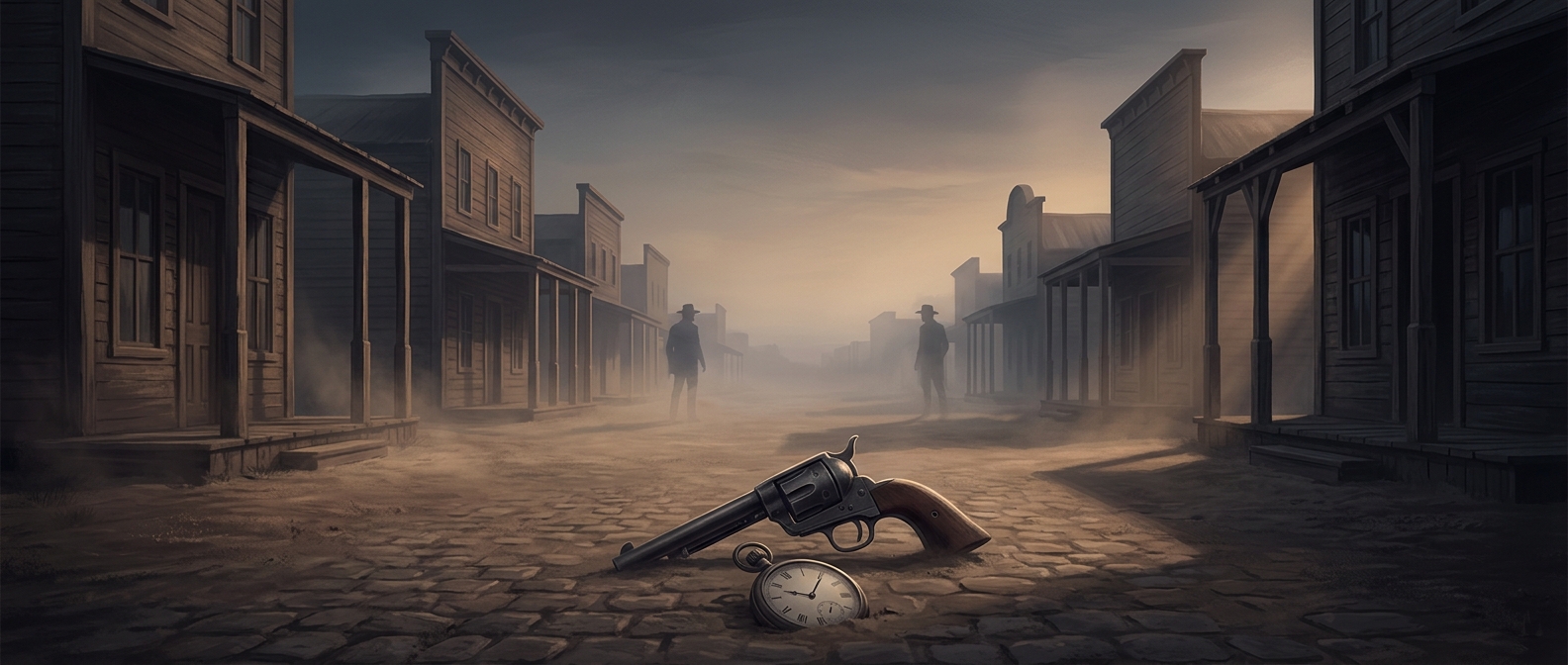
The Wild West's famous duels were mostly fiction
The formal, face-to-face showdown was largely a movie invention; frontier gun violence was more often sudden than a carefully timed duel.
Discover more
One fossil claw pointed to an eight-foot sea scorpion
Researchers described a 46-centimeter claw from Jaekelopterus in 2007 and estimated an animal around 2.5 meters long. That size is reconstructed from a body…
Discover more
Pangea wasn't Earth's first supercontinent
Earth’s tectonic plates have repeatedly carried continents together and pulled them apart. Pangea was the latest supercontinent, not the first time the…
Discover more