The “Main Street duel” was a dramatic exception
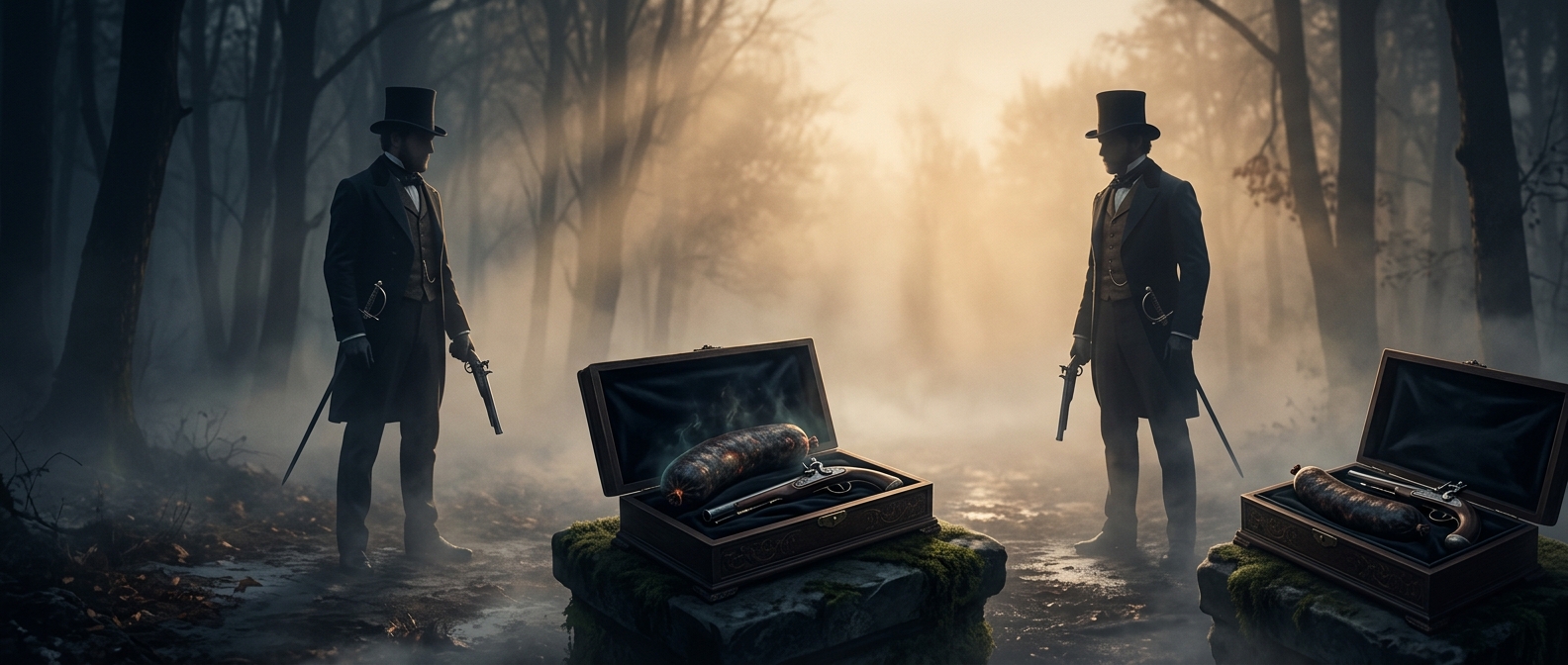
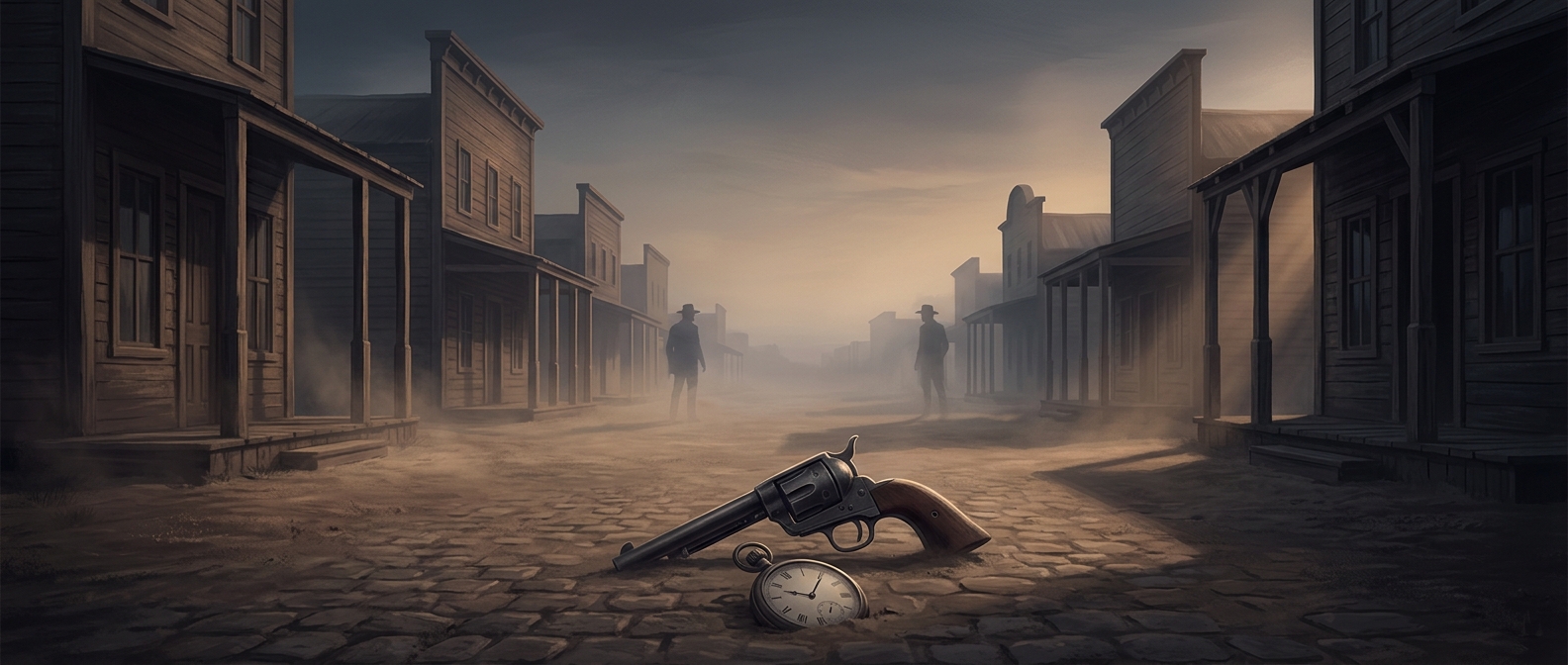
The familiar scene—a gunman and a challenger measuring off the street, waiting for a signal, then drawing at once—makes violence look like a contest with rules. In the American West, gunfights were more often sudden and chaotic: a weapon might be drawn during an argument, an attack might come as an ambush, or a confrontation might erupt when law officers tried to make an arrest. There was no standard frontier ritual requiring opponents to face each other at an appointed time and distance.
That does not mean gun violence was imaginary, or that deliberate confrontations never happened. Some disputes did lead people to seek out an opponent. But the highly choreographed showdown was not a typical way to settle conflict. Real encounters could involve several people, close quarters, poor visibility, and little chance for anyone to pause and take careful aim.
How a messy reality became a clean story
A sudden, confusing attack is hard to turn into a memorable tale. A duel has a clear setup, two recognizable opponents, and a decisive ending. Popular entertainment had strong reasons to favor that structure. Dime novels and traveling Wild West shows made frontier stories into spectacles; later films gave audiences the face-off as an instantly legible image of courage, danger, and justice.
The convention also made violence seem more orderly than it was. A duel suggests that both sides knowingly accepted the same terms. In many real shootings, surprise—not a shared code—determined who had the advantage. The movie version therefore tells us as much about the stories Americans wanted to watch as about how frontier conflicts actually unfolded.
The lasting effect of the myth
Once the showdown became the standard image, it could overshadow the less cinematic realities of frontier violence: sudden disputes, ambushes, and armed encounters involving law officers. The next time two figures square off in a Western, the scene is best understood not as a typical record of the past, but as a compact piece of storytelling built to make an unpredictable event look deliberate.