From neck cloth to necktie
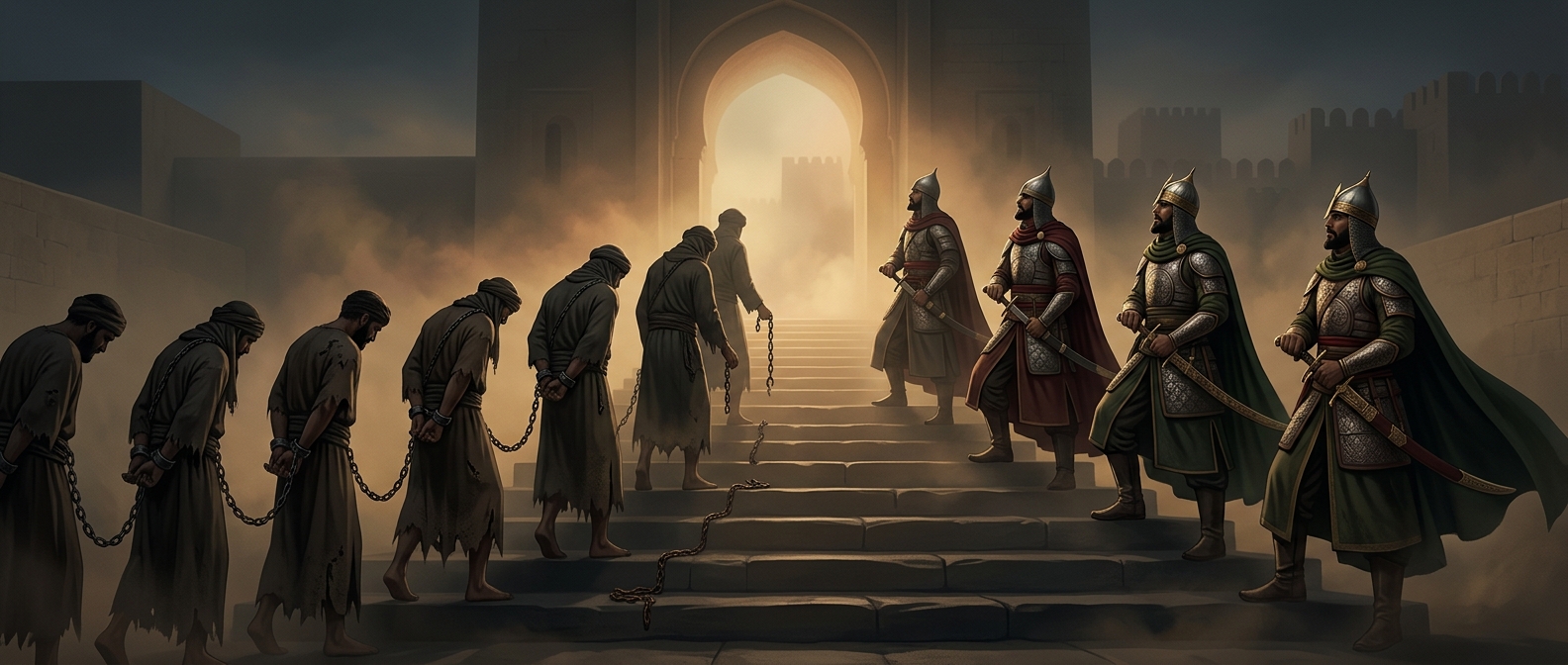
The necktie’s ancestor was not invented as a tiny ornament with no purpose. In 17th-century Europe, men wore knotted cloths around the neck; one style associated with Croatian soldiers became fashionable in France. The French called the neckwear a cravate, a word linked to “Croat.” Over time, elaborate cravats gave way to simpler strips of fabric arranged and knotted at the throat.
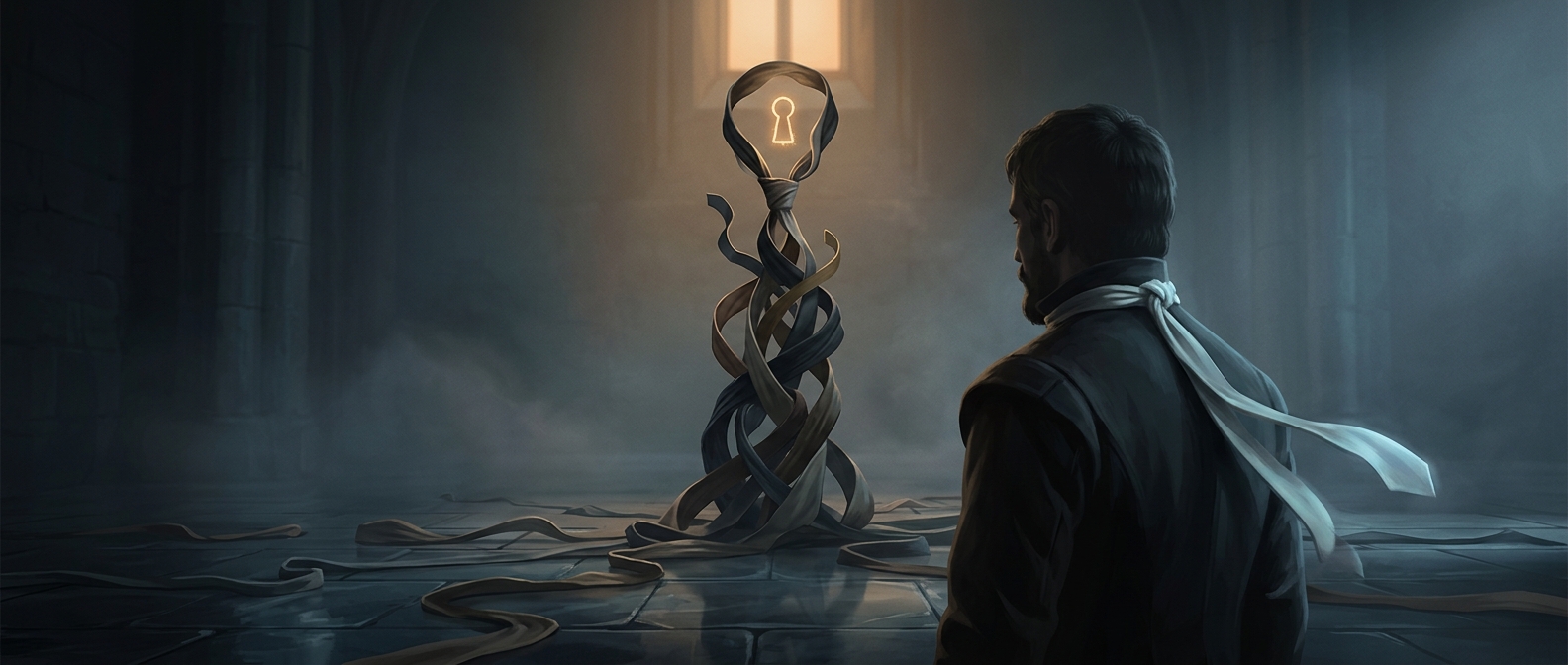
As men’s clothing changed, the neckwear changed with it. The modern long tie became a relatively restrained accessory that could add color and polish to a suit without changing how the suit worked. Its practical job faded, but its social one remained: a tie could signal formality, group membership, or a deliberate choice of style.
Why keep wearing it?
A tie does not hold a shirt closed or protect the neck in any dependable way. Its value comes from convention. In settings where a suit is expected, the tie helps complete the outfit; in others, leaving it off can signal informality. Schools, workplaces, clubs, and ceremonial events have also used particular ties to make affiliation visible.
That makes the tie a small example of how clothing can function without doing much physical work. People follow a dress code because other people recognize it, and the accessory’s meaning depends on that shared recognition. The dangling fabric is easy to overlook until it catches on something—or, as the familiar warning goes, dips into dinner.