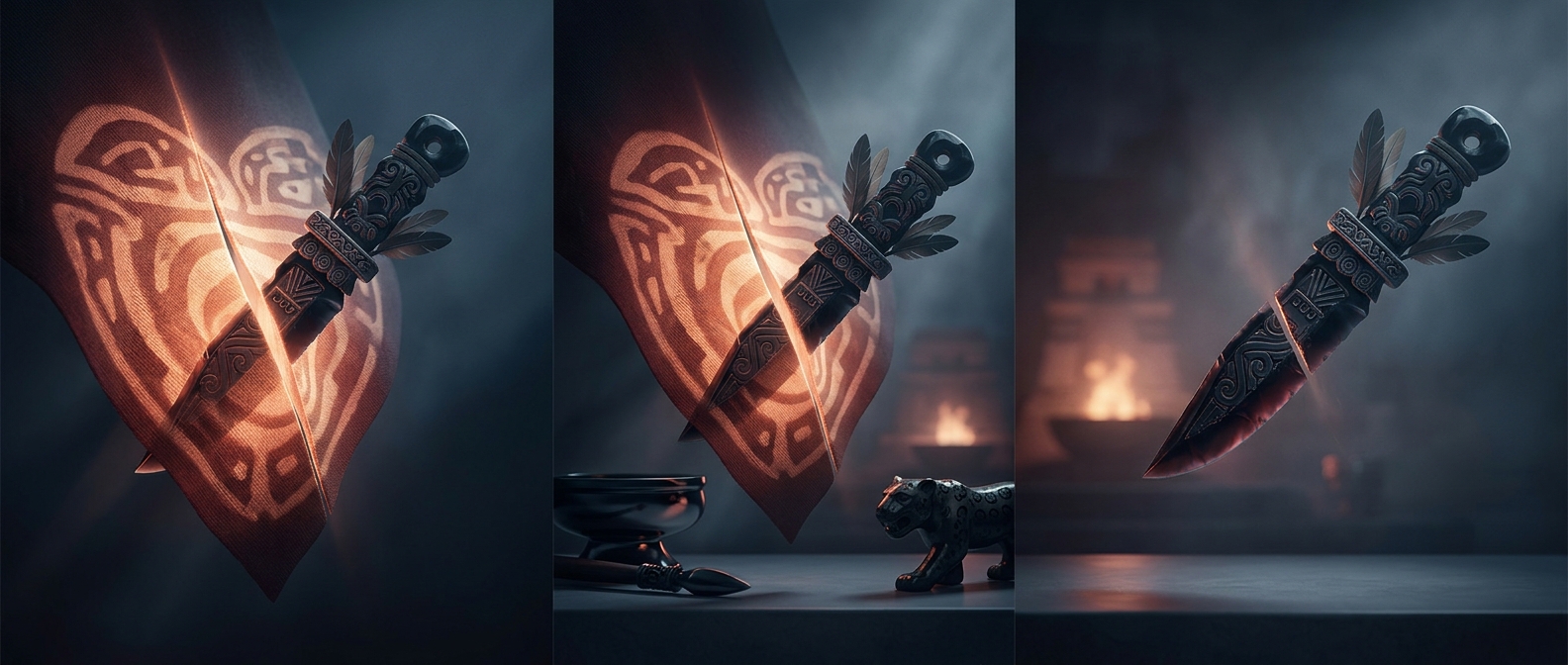
A ritual act that required anatomical skill
In Aztec ceremonies, priests used sharp obsidian—volcanic glass—to cut into a victim’s chest and remove the heart. Accounts describe the heart as still beating when it was taken out. This was not surgery intended to heal: the opening of the chest was part of a ritual offering, and the heart was the offering’s central object.
The act nevertheless required practical knowledge of the body. A priest had to make an opening large enough to reach the heart and remove it quickly. Obsidian could take an exceptionally sharp edge, making it suitable for such cutting, though its brittleness meant it could chip or break.
Why the heart mattered
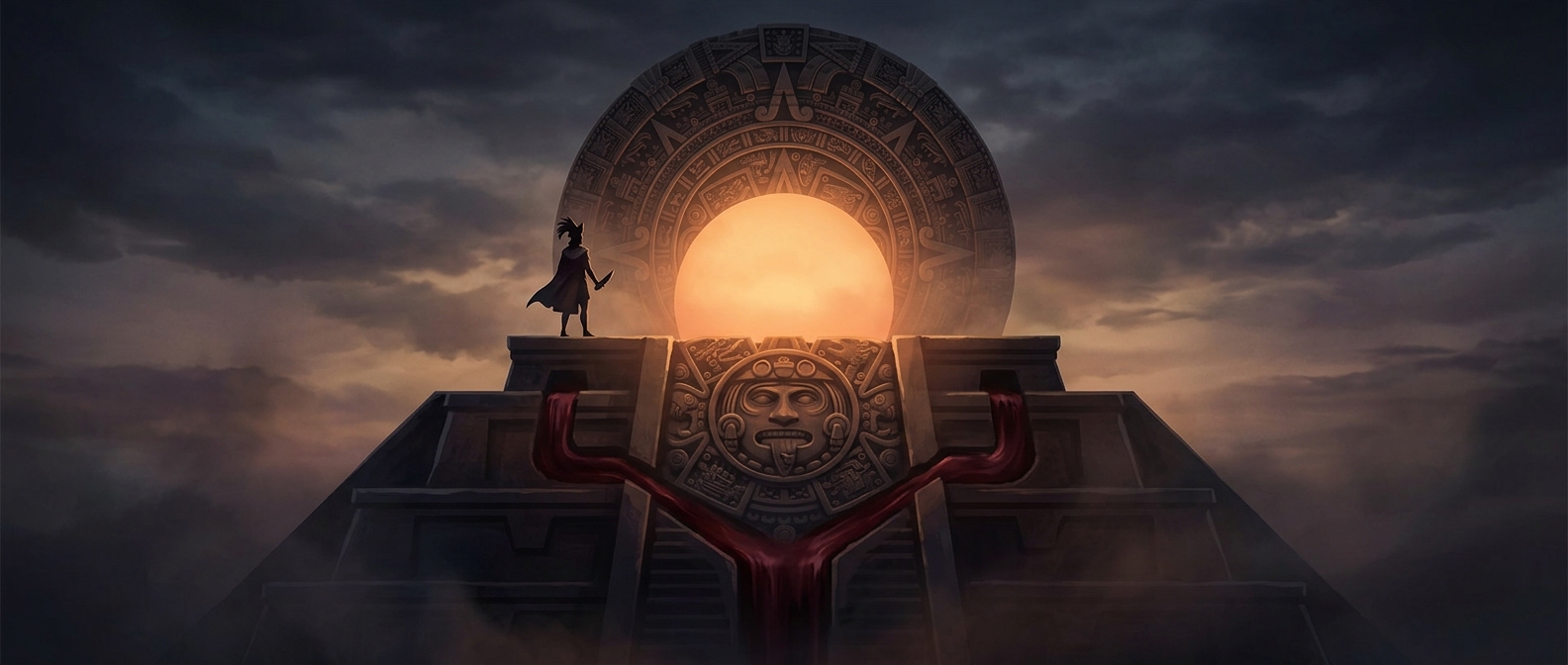
Aztec religious life treated sacrifice as a way to sustain relations between humans and the gods. The heart, understood as a vital source of life, made a particularly powerful offering. Removing it transformed the victim’s death into a public ritual act rather than an ordinary execution.
These ceremonies took place within a broader system of religious and political authority. Rulers and priests organized rituals at temples, where sacrifice could affirm the community’s obligations to the gods and the power of those directing the ceremony.
What the accounts can—and cannot—show
Descriptions of the procedure come largely through accounts and images recorded in the colonial period, after the Spanish conquest. They preserve important evidence about Aztec practices, but they do not provide a modern surgical manual. The exact method may have varied, and the sources cannot establish every step with the precision of a clinical record.
What they do make clear is the striking combination at the heart of the ritual: a carefully directed use of a cutting tool, performed not to save a life but to offer it.