A ration that had to stay alive
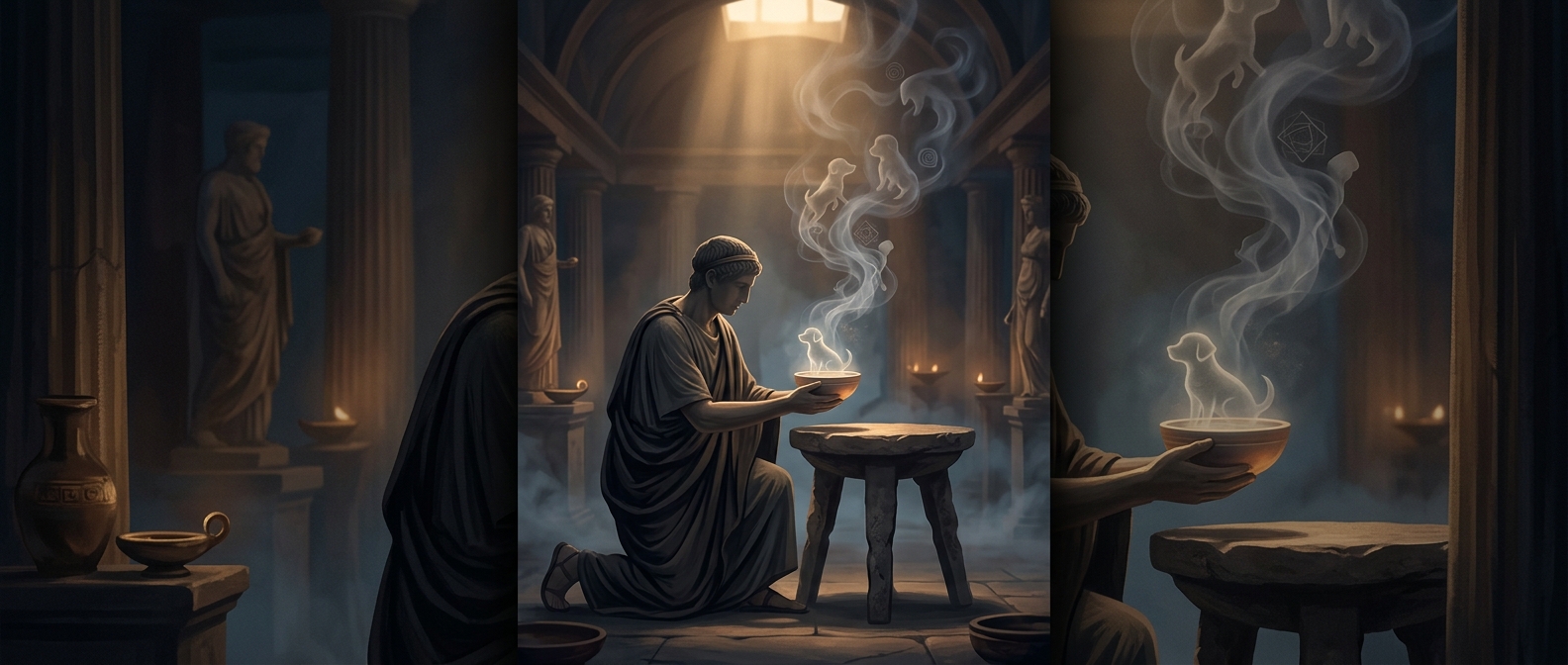
A dog could serve two roles on a journey: companion and, if supplies failed, food. That made it a different kind of reserve from dried maize or other stored provisions. It did not need to be butchered and eaten immediately; it could be kept alive until the need arose.
The tradeoff was that a living reserve also needed care. Dogs consumed food and water, and handlers had to keep them with the traveling group. Carrying one therefore made sense only when its value as a companion—and its possible value as food—outweighed that cost. It was not simply a more efficient way to pack provisions.
When necessity changed the relationship
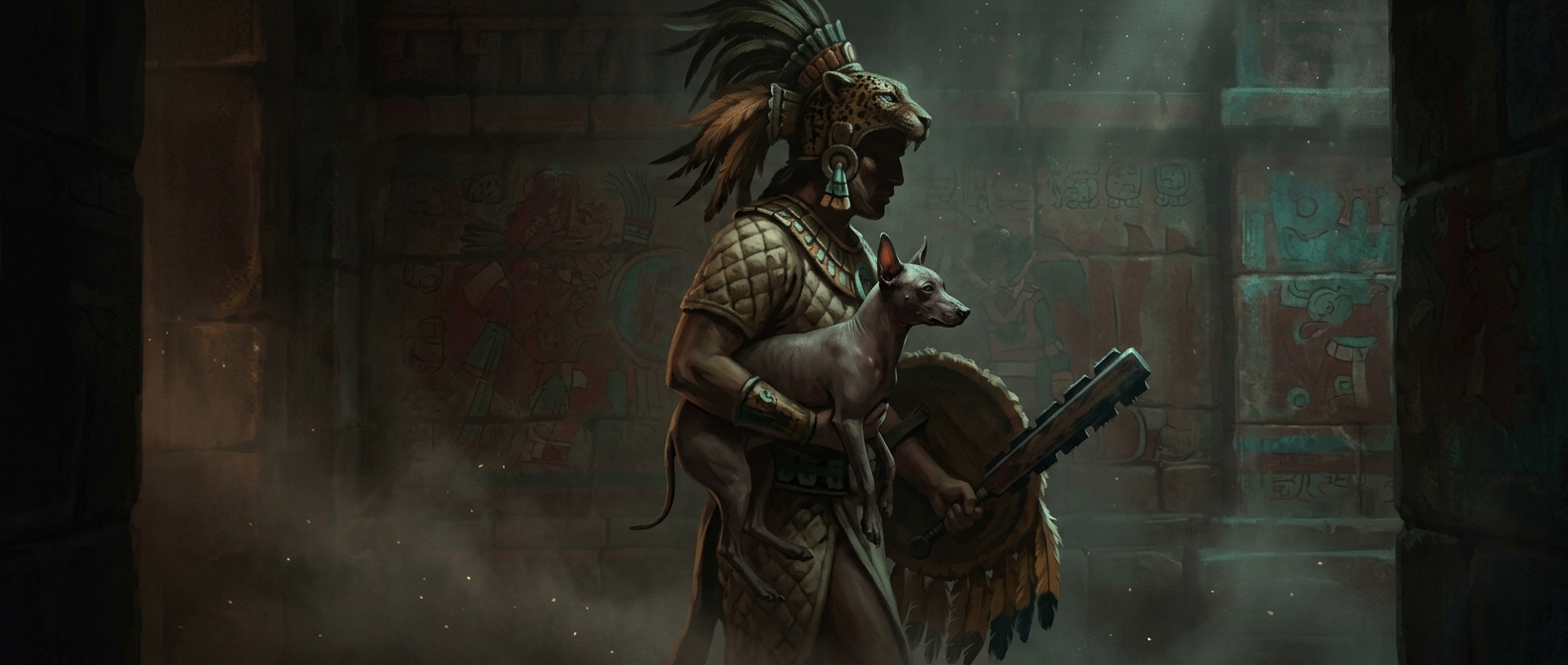
The Xoloitzcuintli, a hairless dog associated with the region, could be valued as a companion while also being part of a food system. Those roles need not have seemed contradictory: the same animal might be cared for in ordinary circumstances and eaten when circumstances became severe. The emergency use did not erase the relationship; it revealed how survival could change an animal’s role.
For an army on the move, the idea was practical but conditional. A dog was a reserve that traveled on four legs, not a guaranteed meal. Its usefulness depended on whether the group could feed and protect it until provisions ran short.