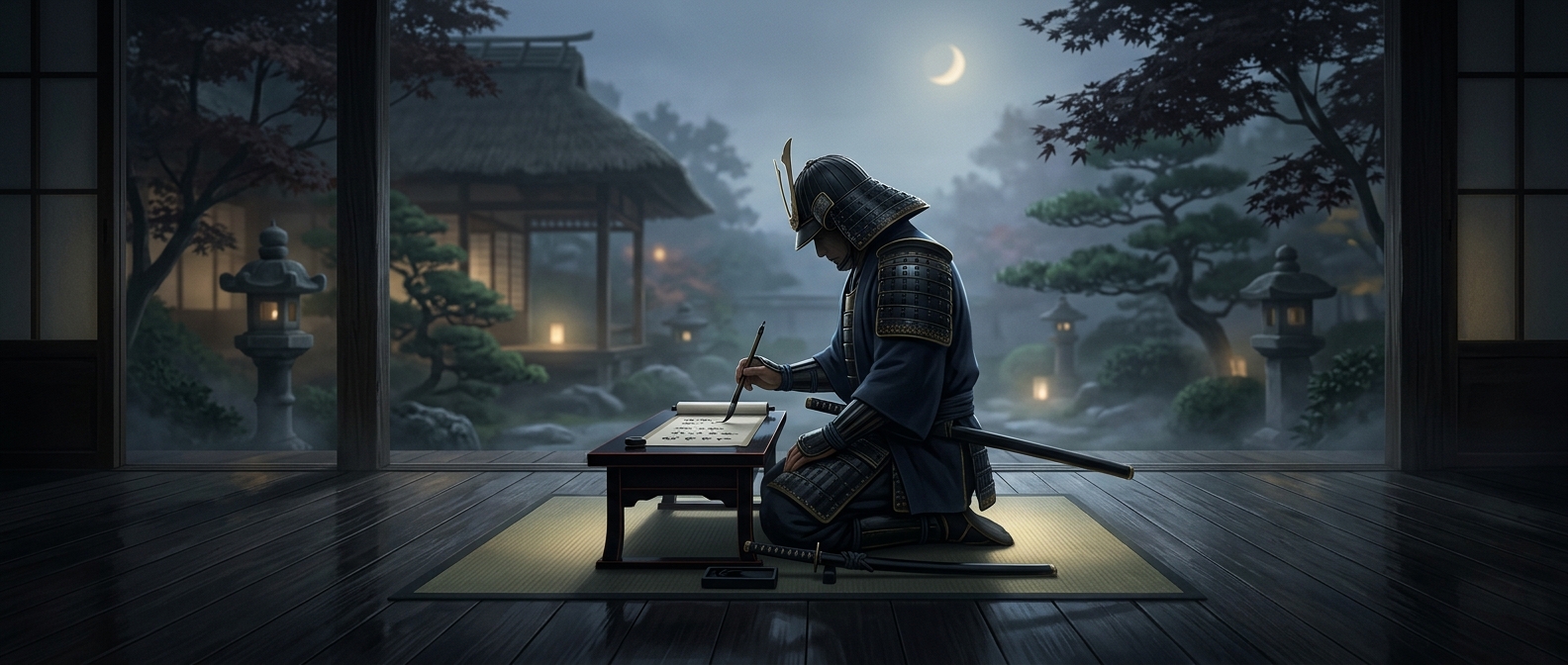
Refinement Was Part of the Warrior Ideal
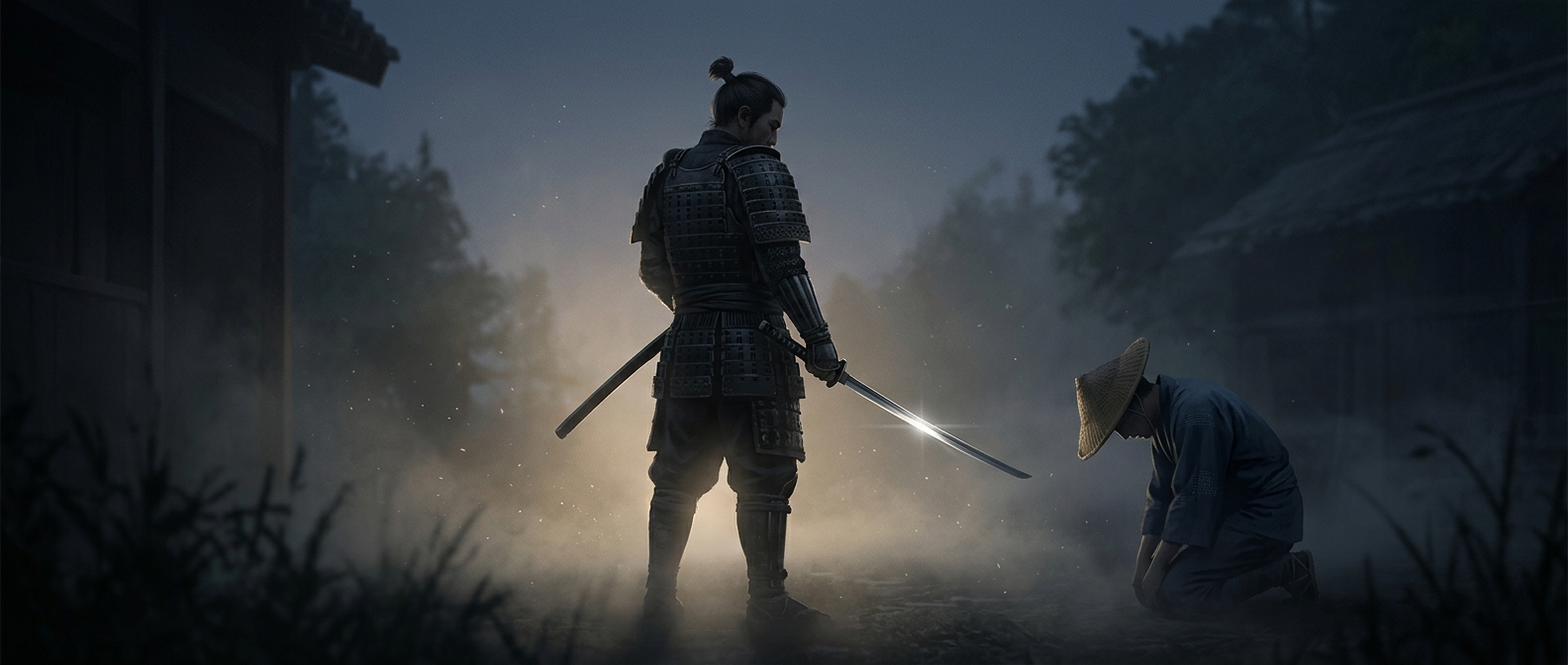
For many samurai, skill with weapons was only one measure of a cultivated person. Especially among the warrior elite, education and familiarity with poetry, calligraphy, and courtly culture helped mark status and demonstrate self-command. A verse written before battle could therefore express more than private feeling: it showed that a warrior could meet danger with composure and cultural fluency.
This ideal varied across centuries and circumstances. Not every samurai wrote poetry, and composing a verse was not a required step before every battle. But literary accomplishment could fit naturally alongside martial training rather than compete with it.
Why Blossoms Suited the Moment
Cherry blossoms offered a compact image for thinking about a life that might end abruptly. Their brief bloom made them a familiar symbol of transience—the fact that beauty and life do not last. Before a dangerous campaign, that image could give a poem a double meaning: admiration for the season and an awareness of mortality.
Some warriors also composed poems associated with death, but these were not all identical rituals or proof that a writer welcomed dying. Poetry could help a person give shape to fear, duty, or uncertainty in a form prized by their culture.
A Lasting Impression of Samurai Culture
The pairing of verse and warfare reflects an important expectation: a samurai was imagined not simply as a fighter, but as someone whose conduct and sensibility were also cultivated. A poem about blossoms could make that ideal visible at its starkest—written in the knowledge that the season, and perhaps the writer’s life, might soon be over.