A sword test with a human cost
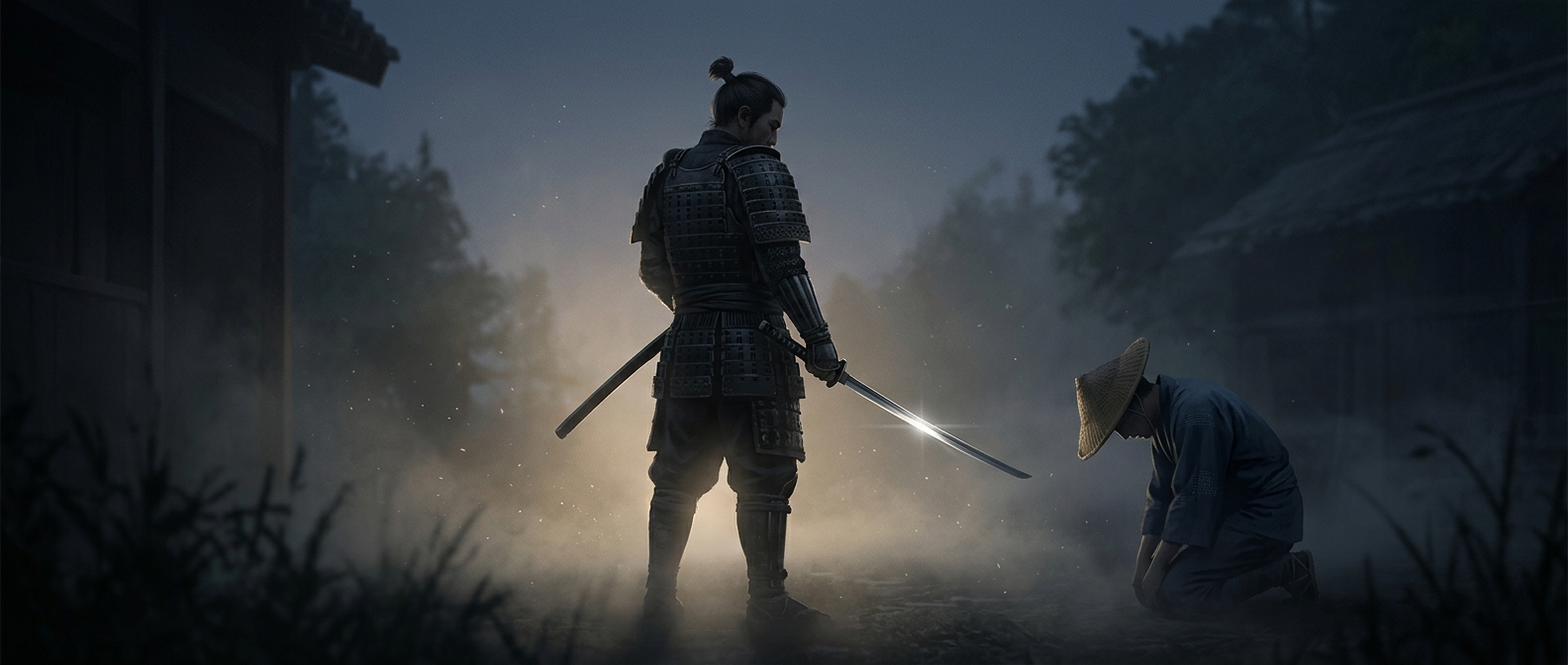
A blade’s appearance could not reveal exactly how it would cut. Its edge, balance, and the force behind a swing all mattered. Tsujigiri turned that uncertainty into a brutal experiment: an attacker used a person who had no warning or chance to defend themselves as the test target.
The name means “crossroads killing,” but the practice was not simply a formal inspection carried out at a crossroads. It describes an opportunistic attack, associated with samurai who wanted to test a sword or their own ability. A crossroads offered passing strangers; it did not make the violence a legitimate test.
Not the same as supervised sword testing
A blade could also be assessed through controlled cutting tests, using prepared targets or, in some historical settings, executed bodies. Those tests made it possible to judge a sword without turning a passerby into an unwilling victim. Tsujigiri is remembered precisely because it crossed that line: it made an ordinary traveler bear the cost of someone else’s experiment.
The practice should not be mistaken for a routine samurai custom. Authorities treated attacks on civilians as a threat to public order, and restrictions against such violence formed part of governing a society in which armed retainers could otherwise intimidate people on the road. The unsettling point is not that every samurai tested blades this way, but that a weapon’s performance could become an excuse for violence against someone with no power to refuse.