Why Ariosto kept returning to a stanza
Ludovico Ariosto spent decades shaping Orlando Furioso, the sprawling Italian epic poem that made him famous. Its story ranges across battles, journeys, and tangled love affairs, but the work was built one tightly patterned stanza at a time. In the poem’s ottava rima form, each stanza has eight lines: the first six rhyme in an alternating pattern, and the final two form a couplet.
That structure makes revision more than a matter of finding a prettier phrase. Changing one line can break its rhyme, disrupt the rhythm, or weaken the turn into the closing couplet. A small edit can therefore force changes elsewhere in the stanza.
A poem revised across editions
Ariosto’s repeated polishing was part of a much longer process. Orlando Furioso appeared in an early edition in 1516, then in revised editions in 1521 and 1532. The later version reflects sustained work on the poem’s language and form—not simply a one-time correction after the story was finished.
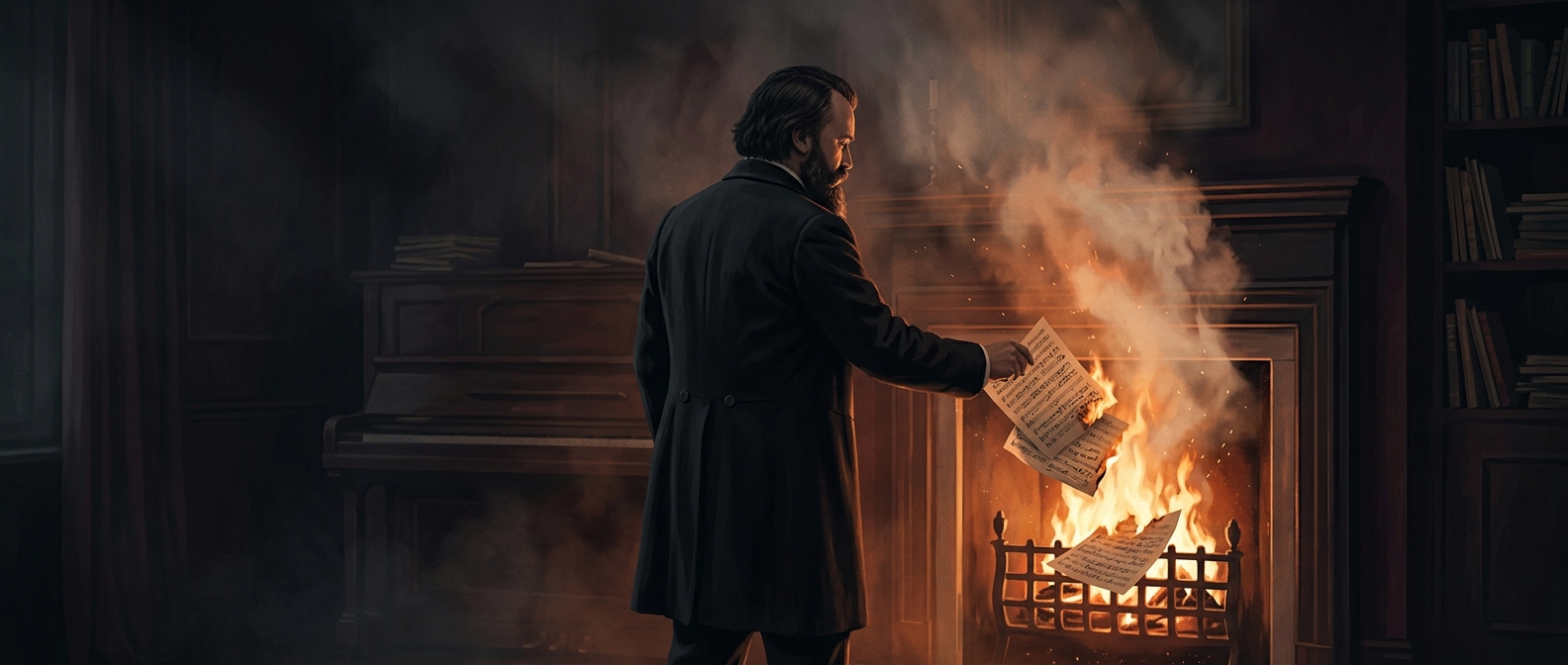
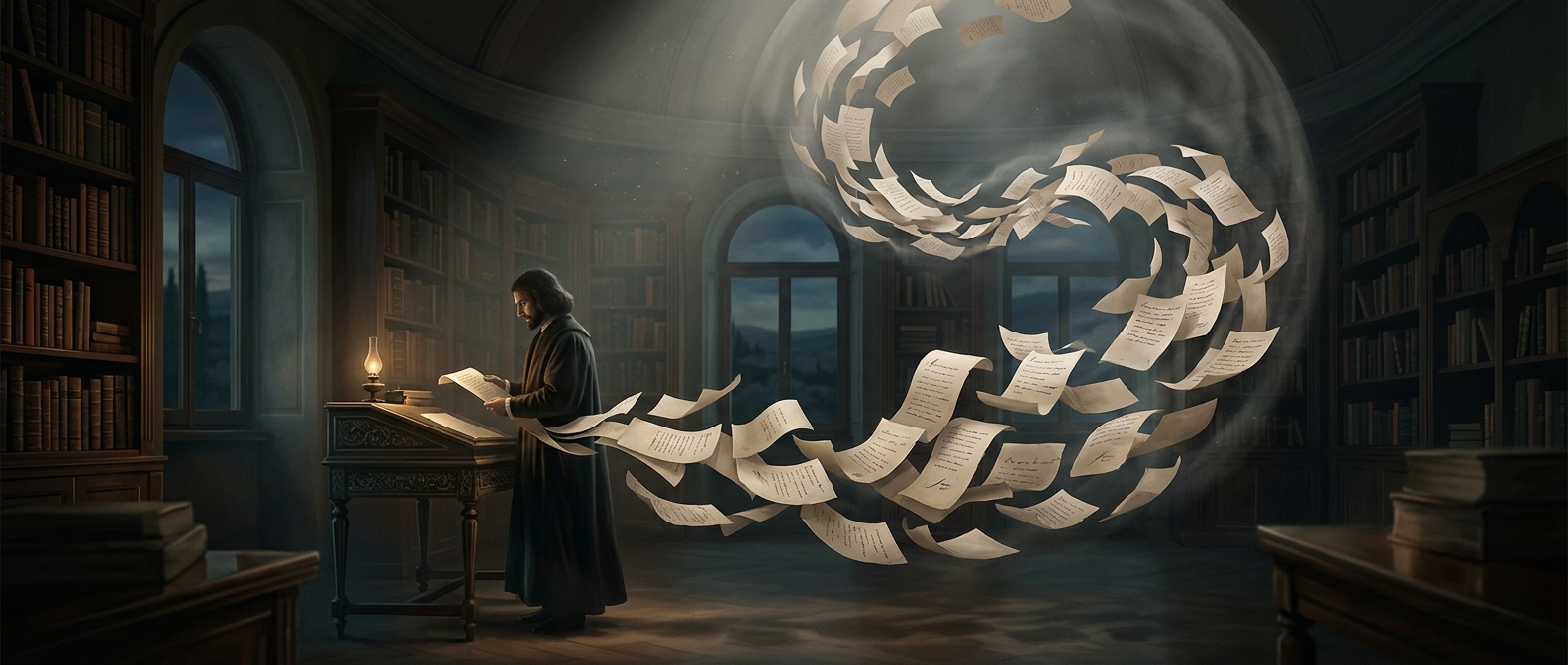
The reported rewriting of a single stanza again and again captures that method at its most concentrated. Each pass could test how a line sounded, how it fitted the rhyme scheme, and how smoothly it carried the reader through the scene. The physical image of paper nearly worn through makes the effort vivid; the deeper point is that an epic’s apparent flow can depend on painstaking decisions at the scale of a few lines.**