A familiar shape, carefully reconstructed
Taxidermy preserves an animal’s outward appearance, not its body intact. The taxidermist removes the skin, treats it so it will resist decay, then fits it over a shaped support. In traditional work, that support might be built from materials such as wire and cotton; glass eyes give the face a lifelike focal point. The result is a carefully made likeness of the pet, rather than a preserved body in the ordinary sense.
That distinction helps explain why the work depends so heavily on small details. A pet’s familiar expression comes from the position of its head, the set of its ears, and the way its fur lies. Those choices shape whether the finished mount feels recognizable to its owner.
Keeping a place for a companion
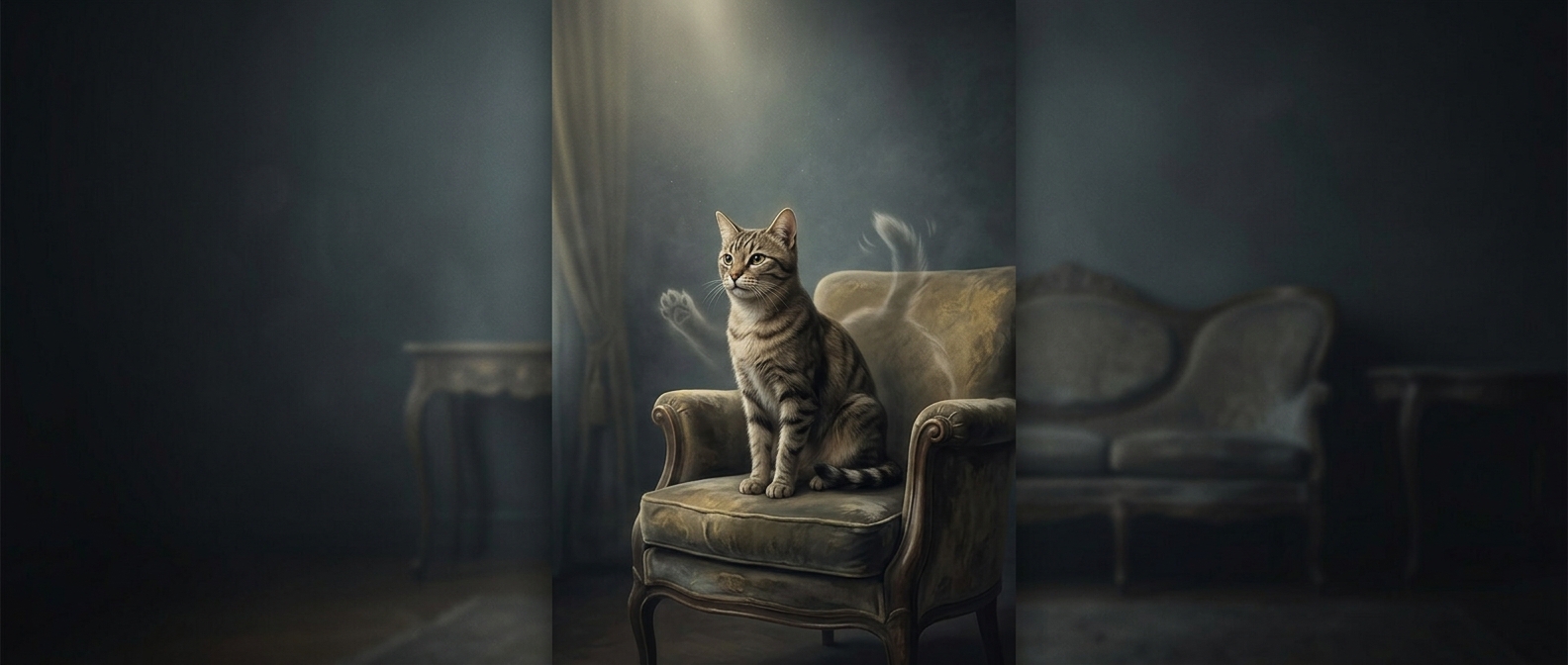
For some owners, choosing taxidermy is a way to keep a beloved animal’s familiar presence in the home after its death. The mount can occupy a visible place in daily life—a room, a shelf, or a favorite spot—rather than remaining only in a photograph or memory. That closeness can be comforting, though it also means the preserved likeness becomes part of the household’s ongoing experience of loss.
The decision is therefore both practical and personal: it turns an animal’s appearance into a lasting object, while asking the owner to live with a visible reminder. What makes the result meaningful is not simply that it resembles a pet, but that it recalls a particular companion.