The neighborhood behind the lamp
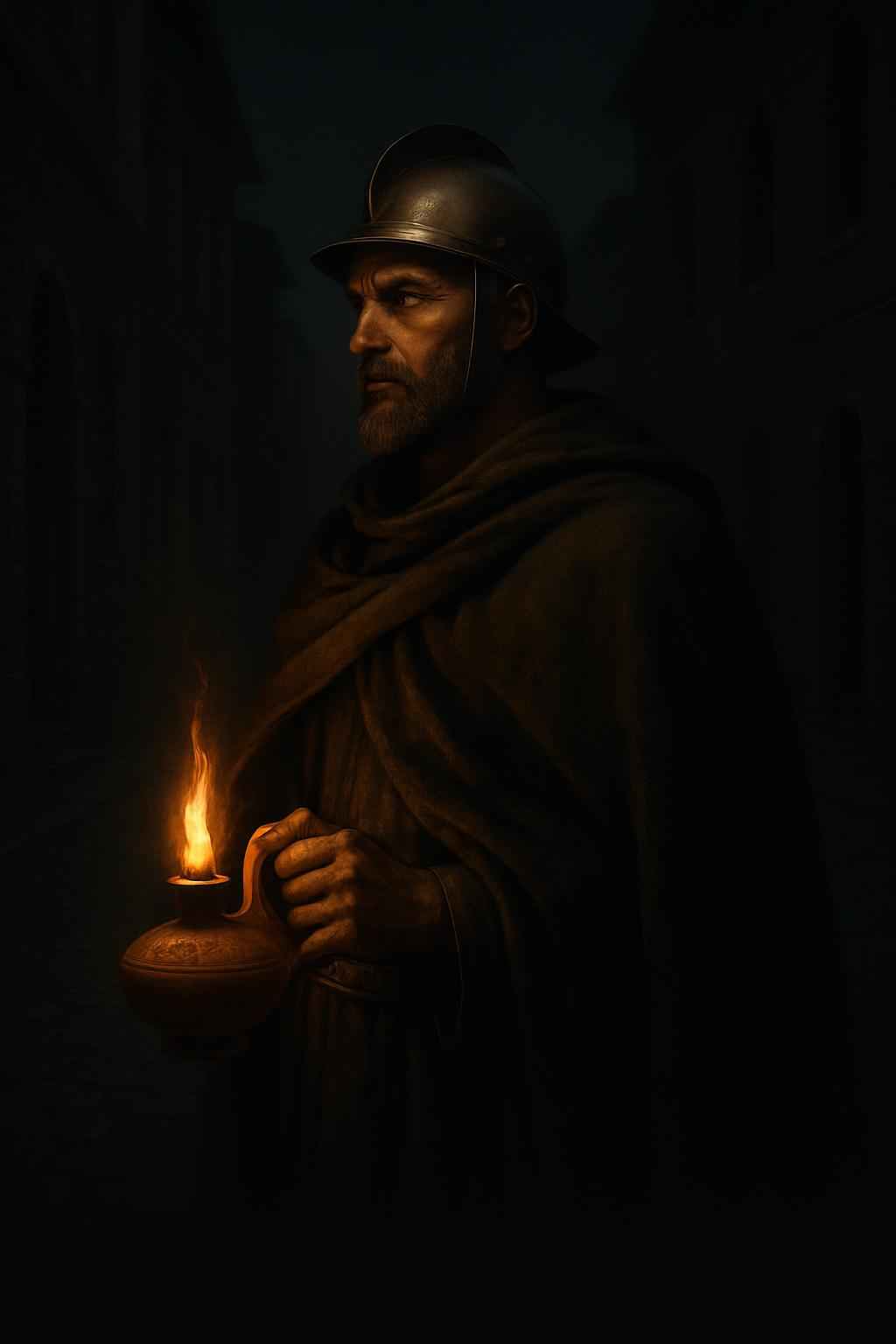
A terracotta lamp could light only a small patch of darkness, and someone had to buy it, fill it, and carry it. In this arrangement, the expense fell not solely on the city but on neighborhood clubs—local associations whose members pooled resources for shared purposes.
That made the lamp part of a broader system of nighttime watchfulness. A patrol moving through the streets could bring light where it was needed, rather than relying on a continuous network of fixed streetlights. The arrangement was modest, but it made public safety a visible neighborhood responsibility.
Why gossip mattered
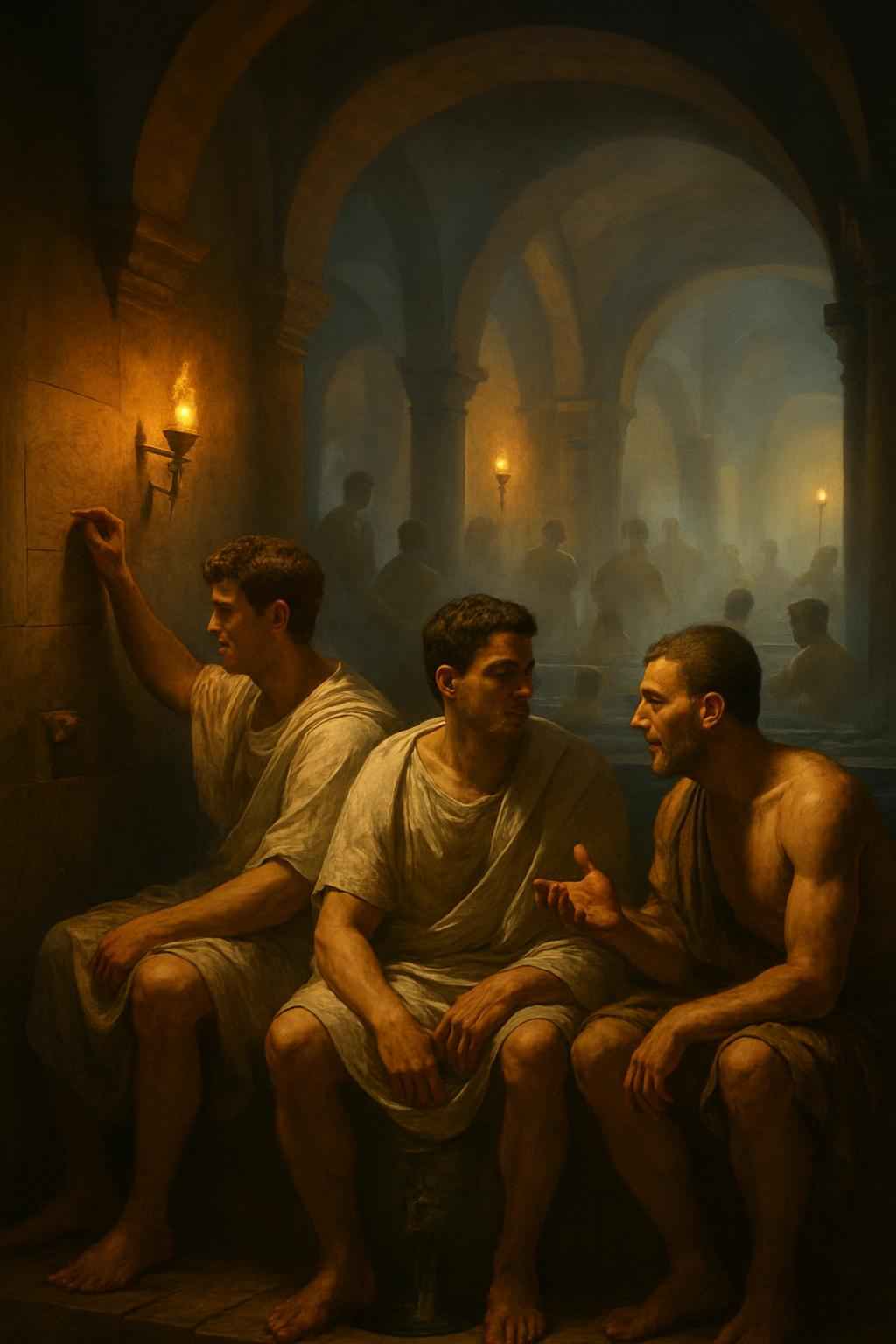
The lamps themselves still needed fuel: “powered by gossip” is a playful way to describe the human network around them, not their physical mechanism. Neighbors were the ones most likely to notice unfamiliar activity, a disturbance, or a fire—and word could travel from person to person while a patrol carried its light onward.
That combination mattered in a crowded city after dark. A patrol could see more than someone walking alone, while local talk could alert people to what was happening beyond the reach of a single lamp. The light traveled with the patrol; information traveled through the neighborhood. Together, they turned a small piece of pottery into a shared tool of urban life.