The veto was built into the UN’s founding bargain
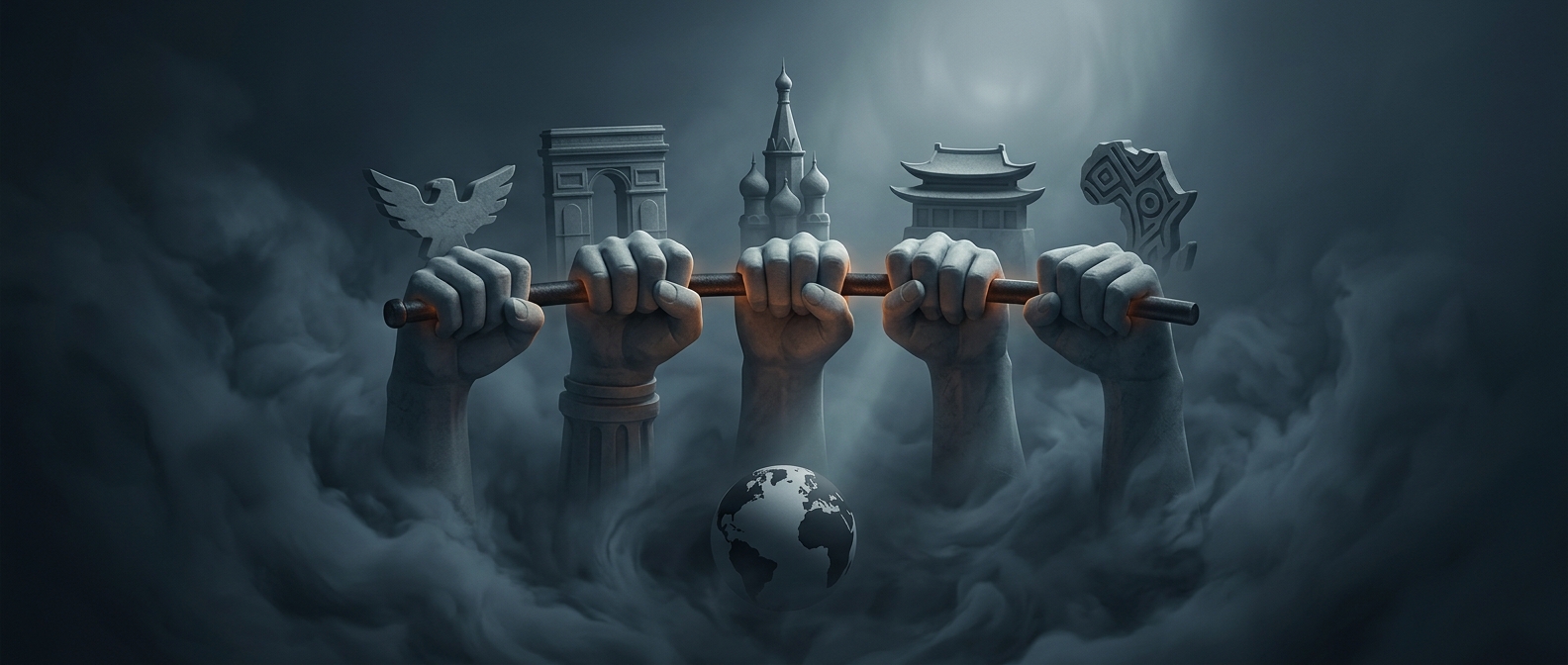
When the United Nations was designed at the end of World War II, its founders faced a hard problem: a world body could not keep peace if the strongest countries refused to cooperate with it. The compromise gave the United States, the Soviet Union, Britain, France, and China permanent seats on the Security Council—and special power over its most consequential decisions.
The founders were not simply awarding status. They were trying to make collective action possible without asking major powers to accept enforcement against their own interests. The League of Nations had struggled to secure the participation and cooperation needed to make its decisions count. In the new system, keeping the great powers inside was treated as essential, even at the cost of unequal voting rights.
How one negative vote blocks action
The Council has 15 members. On a substantive resolution—one about matters such as sanctions, peacekeeping, or authorizing force—a permanent member’s “no” prevents adoption, regardless of support from the other members. A permanent member can abstain without exercising the veto, so a resolution may still pass if it receives enough affirmative votes and no permanent member votes against it.
That distinction makes the veto a brake, not a requirement that every permanent member actively endorse every decision. It also means the Council can act when a major power chooses not to obstruct it, even if that power is not fully behind the measure.
A safeguard that can become a deadlock
The arrangement makes the Council’s authority depend on cooperation among powers that may be parties to, or have close interests in, a dispute. When one of them objects, the Council can be unable to respond collectively—even when the other members agree. The same constraint that was meant to keep powerful states invested in the UN can therefore leave the organization unable to act precisely when those states’ interests collide.