A hairstyle made into a test of rule
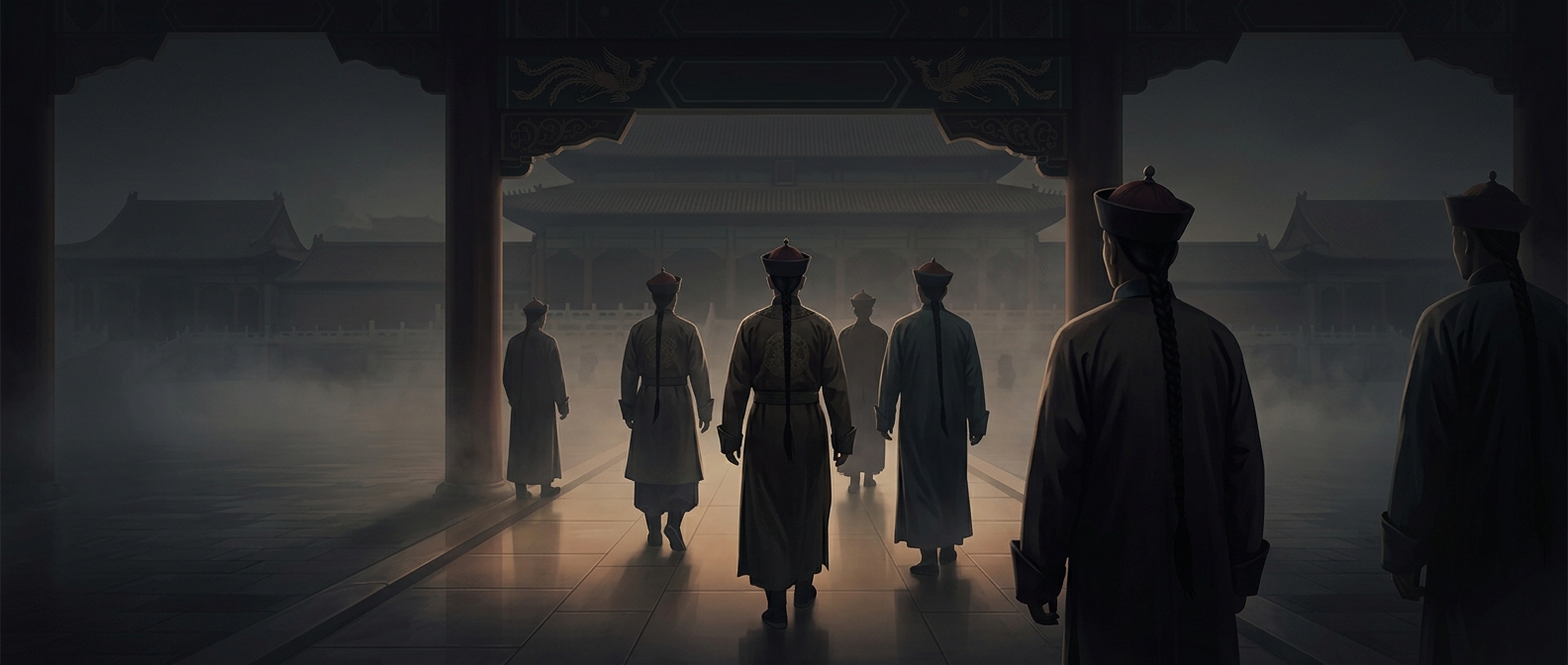
When the Manchus conquered China and founded the Qing dynasty in the 17th century, they required Han Chinese men to adopt a hairstyle associated with Manchu men: the front of the scalp shaved, with the remaining hair grown long and braided into a queue. This was not simply a matter of fashion. Because the change was conspicuous and difficult to hide, it made obedience visible in everyday life.
Why the order carried such force
For Han men, cutting or shaving hair could clash with a deeply rooted belief that the body, including its hair, was received from one’s parents and should not be damaged. The queue also marked the wearer as subject to a new ruling power. Together, those meanings made the order a public test of whether a man would comply with Qing authority.
The government enforced the policy harshly, and refusal could be treated as rebellion and punished by death. That threat turned a grooming command into a choice with immediate stakes: accept a lasting change to one’s appearance, or risk being seen as defying the dynasty.
A daily reminder of conquest
The queue did political work long after the initial order. A man carried the sign of compliance into streets, workplaces, and official encounters; officials could also see who had not adopted it. The braid was therefore more than a style: it made submission to the new regime visible on the body.