Why a royal birth could not be private
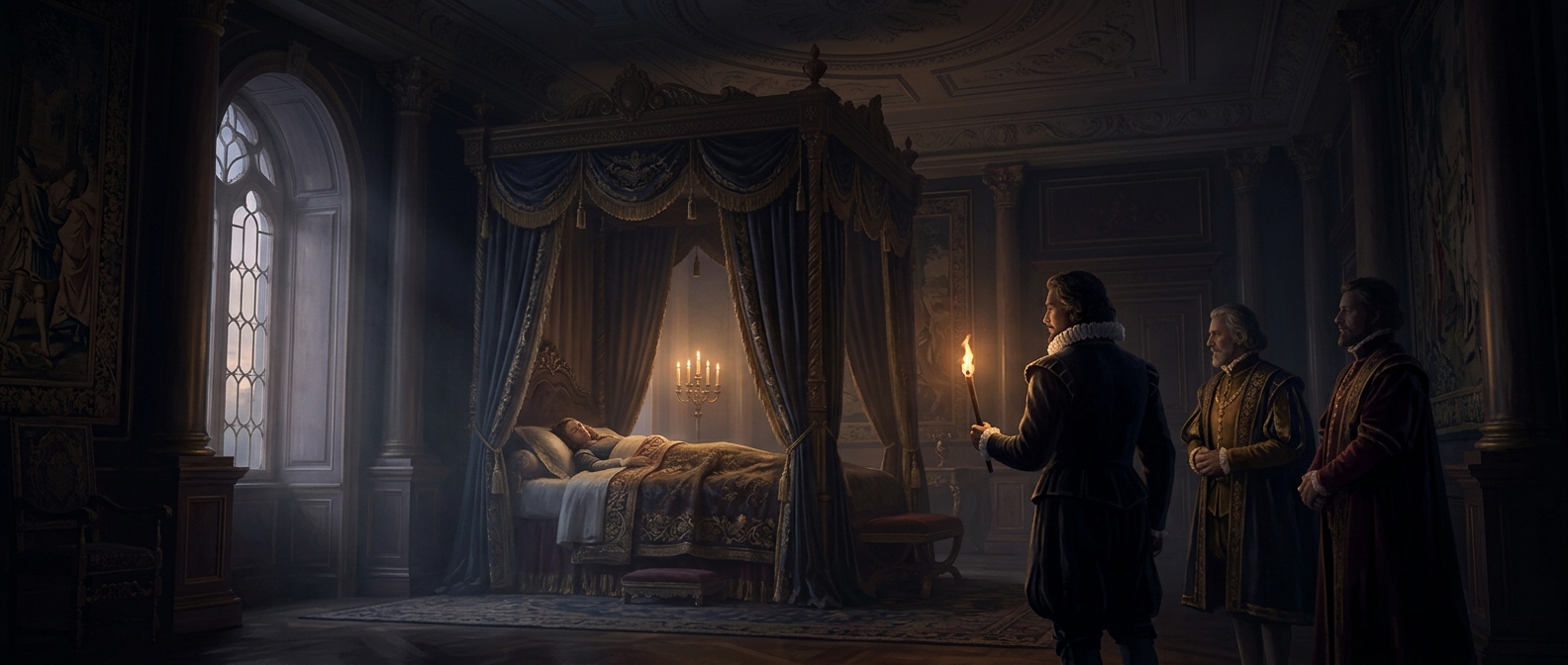
When a monarch’s child stood to inherit the throne, the birth was more than a family event. It was evidence in a political case: the court needed to know that the baby had been born to the queen and was the child presented as the heir. In some royal households, selected courtiers and officials were therefore admitted to the birth chamber as witnesses.
Their presence helped answer a dangerous question before it could become a succession dispute: had the queen actually delivered this child? If the birth had taken place unseen, an opponent might allege that a different infant had been substituted—or that the supposed heir was not the queen’s child. Witnesses could attest to what they had observed, making such claims harder to sustain.
A safeguard, not a guarantee
The practice turned the queen’s most intimate and physically vulnerable moment into a matter of state. Privacy gave way to a public record of sorts, created through people who could later confirm the birth. The exact arrangements varied, but the underlying concern was the same: a throne could depend on a child whose identity and parentage were politically contested.
Witnesses could not prevent every rumor or settle every challenge. Their testimony mattered because succession depended not only on who was born, but on whether powerful people accepted that child as the legitimate heir. The chamber door, in effect, became part of the machinery of government.