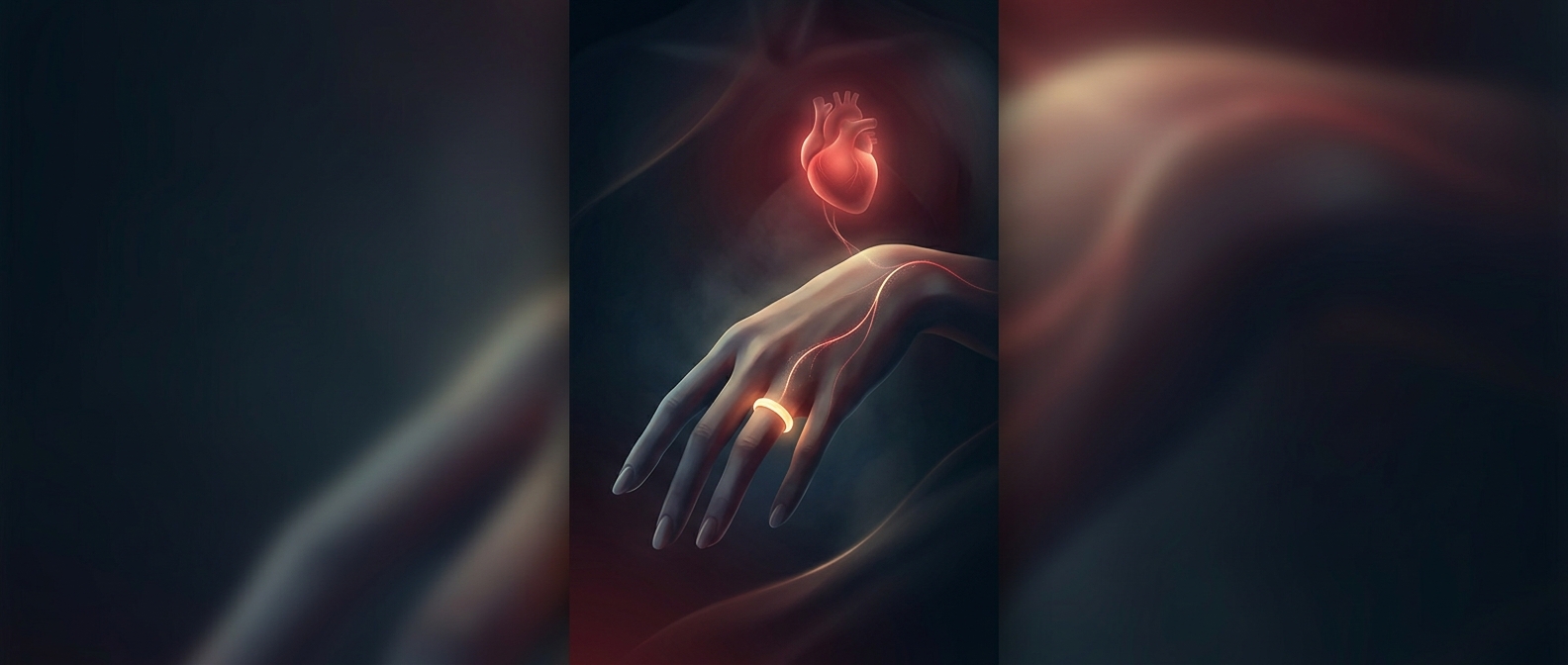
A finger with a supposed shortcut to the heart
The “vein of love” was imagined as a vessel running straight from the fourth finger to the heart. That offered a neat bodily explanation for placing a wedding ring there: the ring would sit on the one finger supposedly connected directly to love’s central organ.
The anatomy does not work that way. Blood from the fingers travels through a network of veins in the hand and arm; no unique vein runs from the ring finger directly to the heart. The old idea turned a symbolic connection into a physical one.
Why the story outlasted the anatomy
A wedding ring is a small object asked to carry a large meaning: commitment made visible. The “vein of love” gave the choice of finger a memorable rationale, linking an everyday gesture to the heart. Its appeal did not depend on the claim being anatomically accurate. Once a custom feels meaningful, its explanation can survive even when the explanation’s factual basis does not.
That does not establish one universal origin for ring-wearing customs. Practices have varied across places and periods, and the romantic story is better understood as a powerful justification than as proof that all wedding-ring traditions began for the same reason. Still, the myth left a durable trace: a mistaken map of the body helped make one finger feel like the natural place for a promise.