Why Central Park Kept a Flock of Sheep
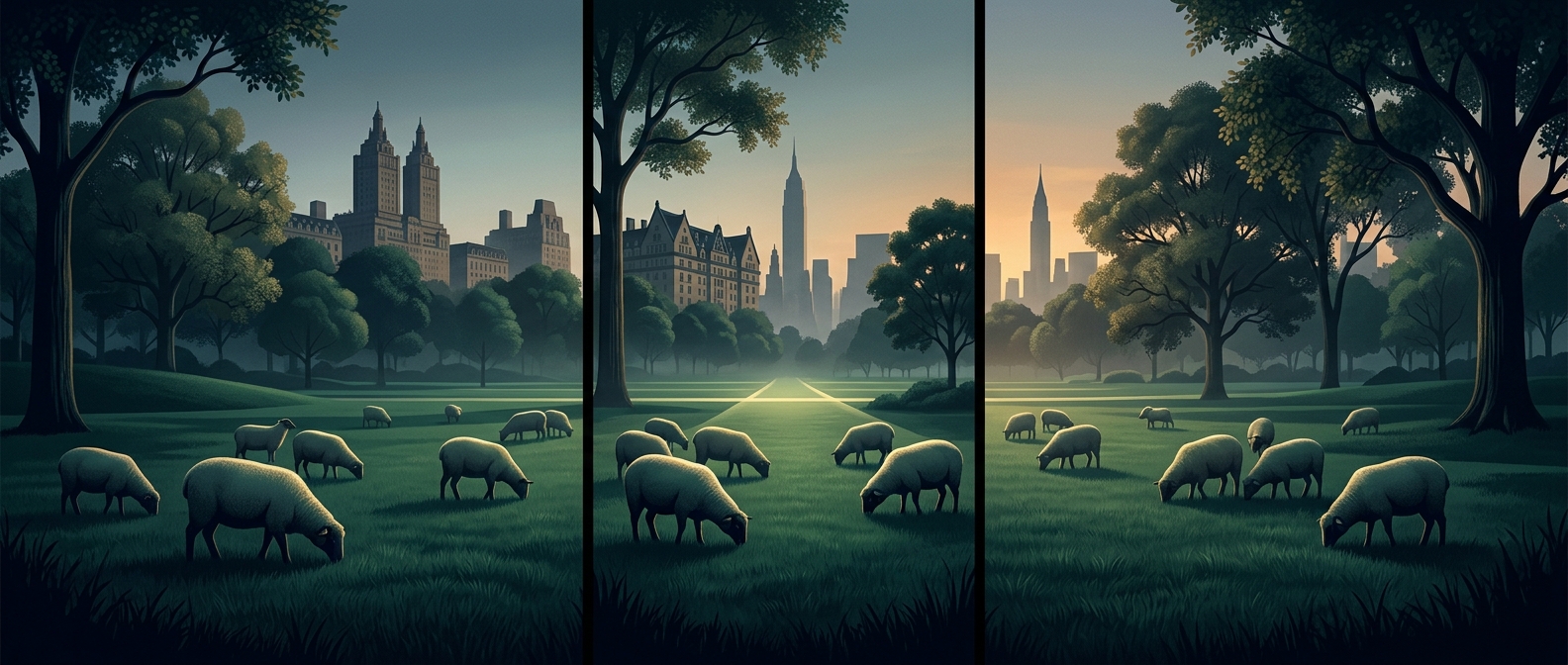
For decades, sheep were part of Central Park’s carefully staged rural scenery. They grazed on the lawn now known as Sheep Meadow, giving visitors a glimpse of pastoral life inside a growing city. Their grazing also kept the grass short, making the flock a practical part of maintaining the landscape.
The sheep were pedigreed—bred and recorded as belonging to particular lineages—rather than simply a convenient group of lawnmowers. Their presence fit the park’s ambition to offer New Yorkers a designed escape from crowded streets, with open fields that looked like countryside.
The Depression Changed What the Flock Meant
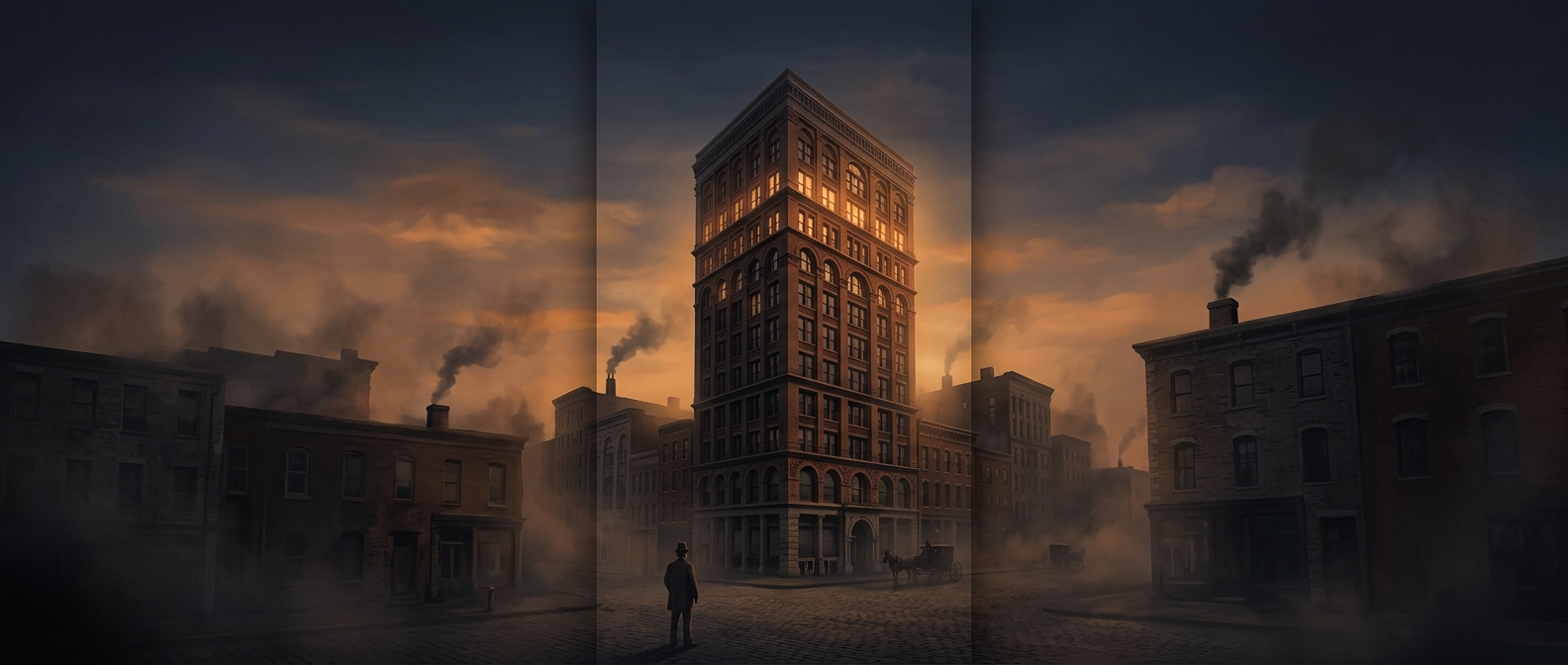
That pastoral feature took on a different meaning during the Great Depression. As unemployment and hardship spread, park officials worried that hungry people might kill the sheep for food. In 1934, the flock was removed from Central Park.
The decision shows how a park’s landscape could become entangled with the city’s economic conditions: animals once kept for scenery and grass maintenance were suddenly viewed as a vulnerable food supply. The sheep’s former home, the Sheepfold, was later converted into a restaurant, Tavern on the Green. The name preserves a trace of the flock even though the animals themselves were gone.