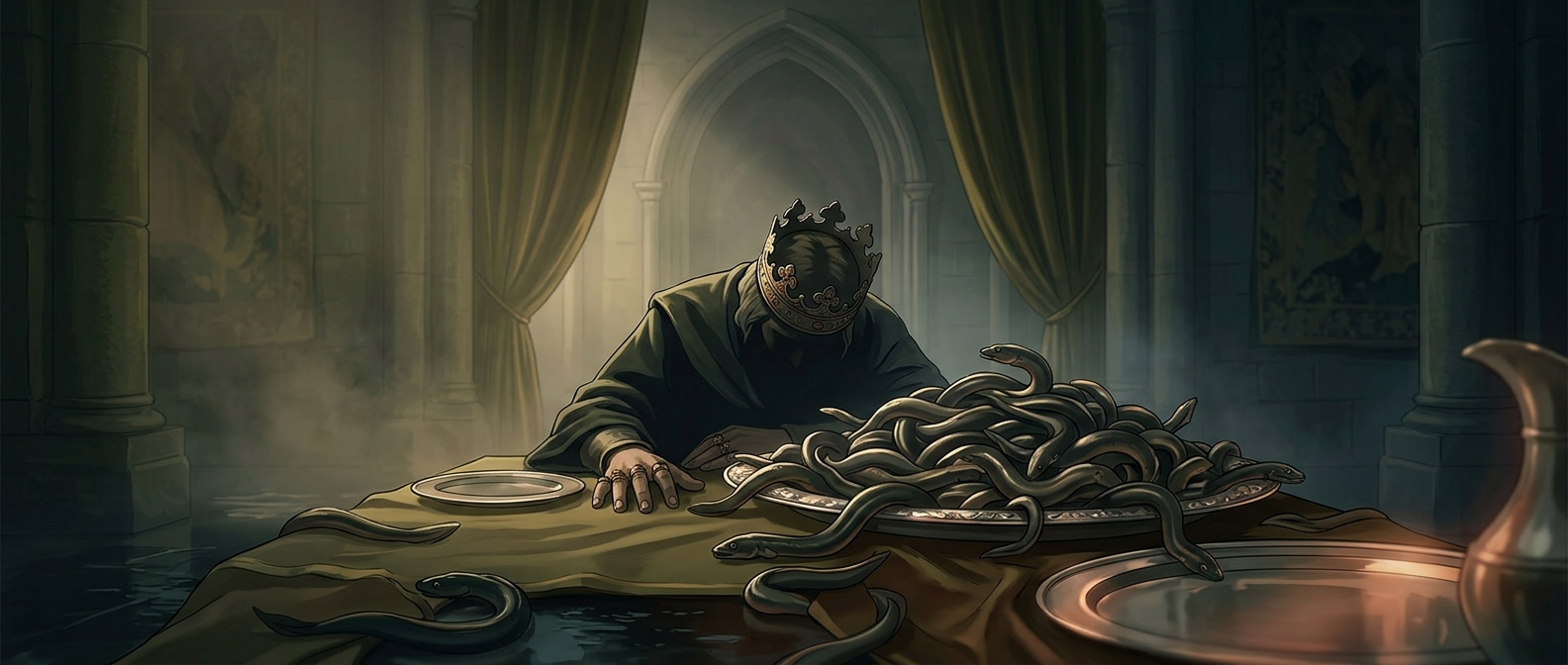
Authority had to be negotiated
The emperor could not simply issue an order and expect every territory to obey. The princes who governed those territories controlled their own administrations, taxes, and military forces. Some were powerful enough to resist imperial demands, while smaller lords and cities also guarded privileges of their own. The result was not a neat chain of command but a political landscape in which authority depended on who had agreed to what.
That did not make the emperor irrelevant. The title carried prestige and offered a route to influence, but a ruler usually needed cooperation from other leaders to turn a decision into action. A demand for troops or money could become a negotiation over who would contribute, how much, and under what conditions.
Meetings turned power into bargaining
The empire’s assemblies, known as Imperial Diets, brought leading political groups together to debate common concerns and make agreements. They were not a modern parliament with a government able to enforce every vote. Their importance lay in giving rulers a forum to bargain—and in making collective action possible when enough participants accepted it.
That process could be slow and frustrating. But it also meant that imperial policy was shaped by many interests rather than imposed from a single capital. The emperor had to build coalitions, accommodate local rights, and sometimes settle for a compromise that powerful princes would actually carry out.
A loose structure with lasting consequences
The same arrangement that limited central control helped preserve a patchwork of territorial governments. Local rulers could make decisions close to home, but disputes and shared problems were harder to resolve uniformly. The empire’s political identity therefore rested less on one ruler’s command than on the continuing effort to hold many semi-independent powers in the same framework.
In practice, governing often meant persuading people who had the means to refuse—and making the bargain acceptable enough that they chose not to.