A New State Needed a New Religious Identity
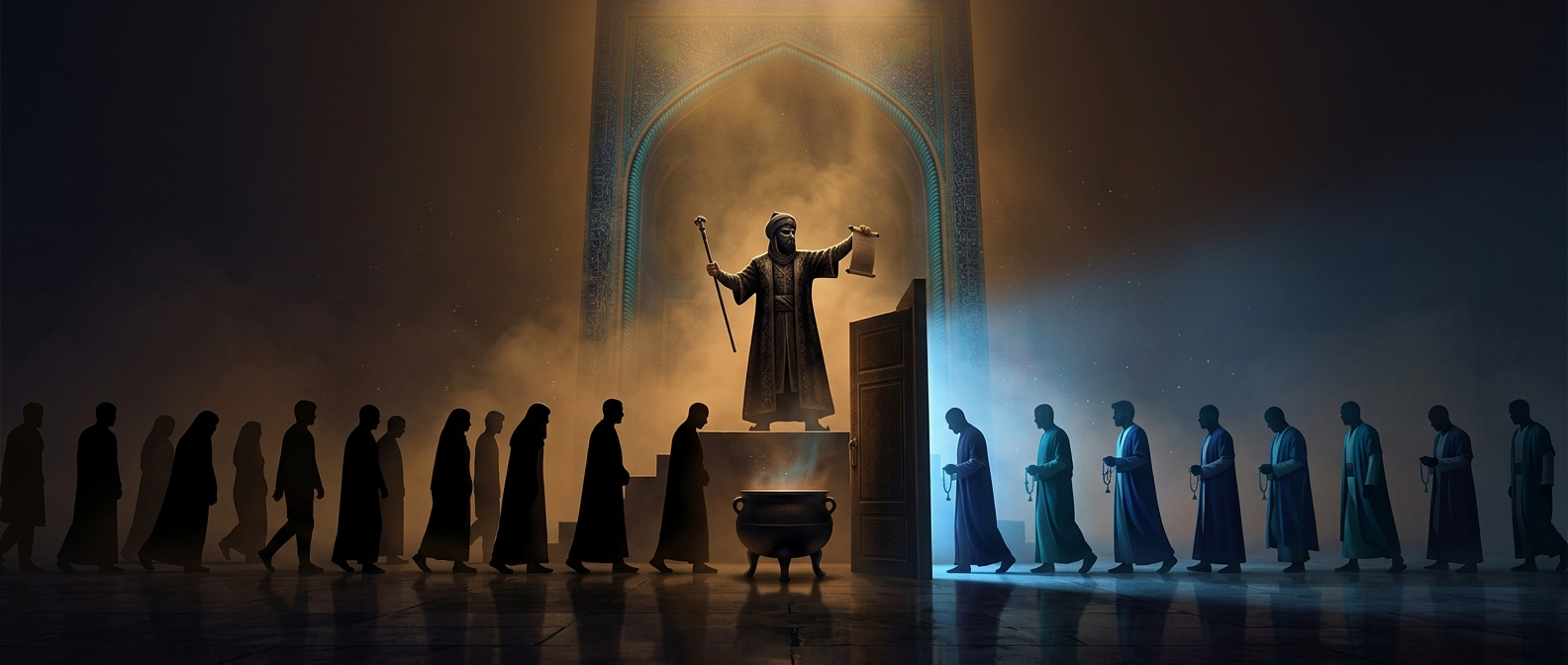
When Shah Ismail I founded Safavid rule in Iran in 1501, he made Twelver Shiism—the branch of Islam that recognizes a line of twelve divinely guided imams—the state’s official faith. Most people in the region had been Sunni. The change was not simply a ruler adopting a different personal belief: it was a way to give the new dynasty a distinctive identity and mark its territory off from powerful Sunni neighbors, especially the Ottoman Empire.
Policy Reached Into Public Life
Safavid authorities used law and state power to promote the change. Sunni religious practices and institutions faced restrictions, while public religious life was recast in a Shiite form. In some places, people encountered pressure or punishment for resisting. The government also needed trained Shiite scholars to teach and administer the faith, so it encouraged clerics from established Shiite communities elsewhere to come to Iran.
These measures could change what people did in public faster than what they believed in private. Conversion was therefore a long process, not a single order that instantly remade everyone’s faith. Communities faced different pressures, and religious identity took shape over generations through worship, education, local leadership, and family life.
A Political Boundary That Outlasted the Dynasty
The policy helped turn a royal choice into a lasting feature of Iran’s religious institutions and public identity. It also made the divide with Sunni Ottoman power more than a contest between rulers: it became a boundary expressed in worship and religious authority. The Safavids could compel public conformity, but their deeper legacy was building institutions that made Shiism increasingly rooted in the society they governed.