A Ghost Costume Made a Simple Ambush
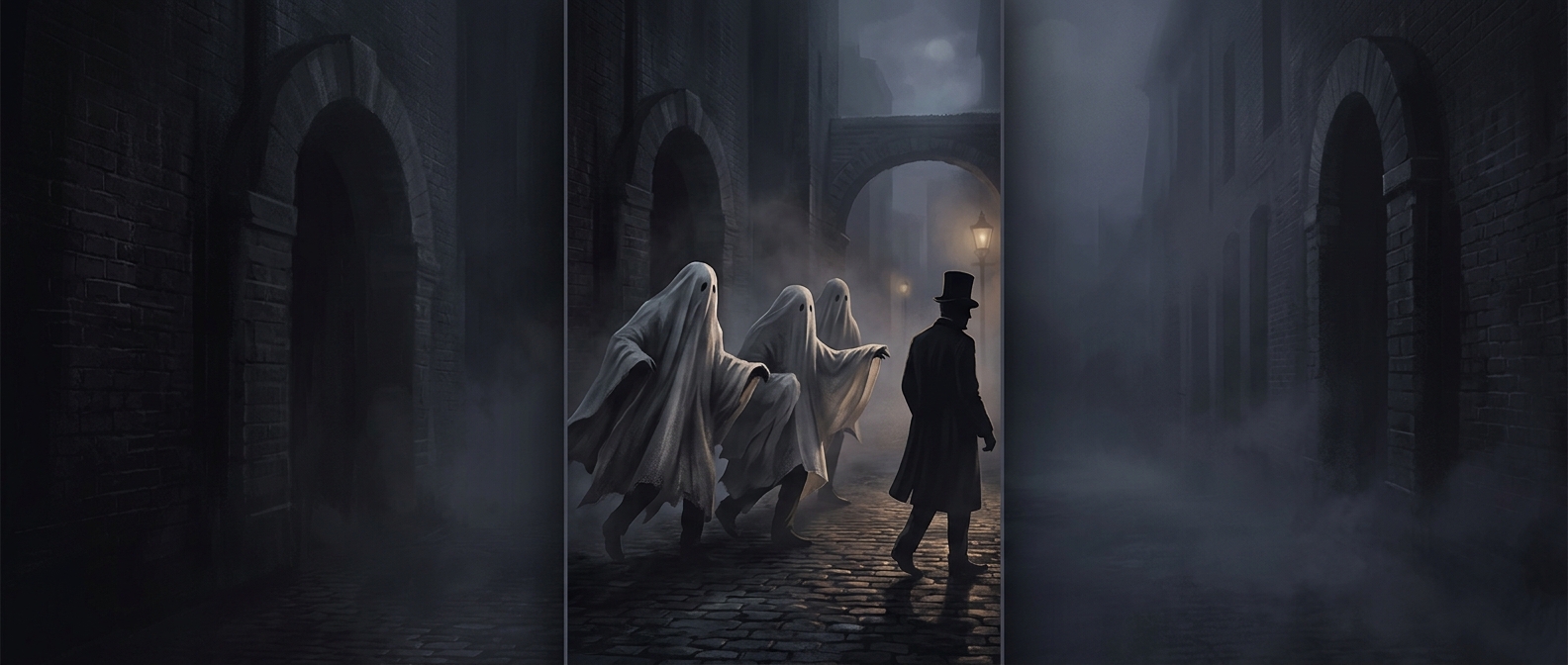
A white sheet was cheap, quick to put on, and effective at hiding the wearer’s face. That combination made it useful for a prank: the person underneath could appear suddenly as something uncanny, while the startled passerby had little warning about who—or what—was approaching.
The disguise’s weakness was just as practical. A sheet concealed identity, but it also limited vision and movement. The prankster had to get close enough to be seen without giving away the trick, then rely on the target reacting with fear rather than anger. If the person startled felt threatened, a punch could be an immediate attempt to defend themselves.
The Joke Depended on a Risky Reaction
Calling the costume a ghost did not make the encounter harmless. The prank worked by briefly making a stranger believe they faced something frightening; the same surprise could trigger a physical response before the stranger understood it was a joke. And the sheet offered no real protection from that response.
That is the uncomfortable logic behind the story: the prankster chose the moment of surprise, but could not control what the surprised person did next. A costume meant to hide its wearer could turn a cheap scare into a very direct consequence.