A Hand Built to Hold Its Position
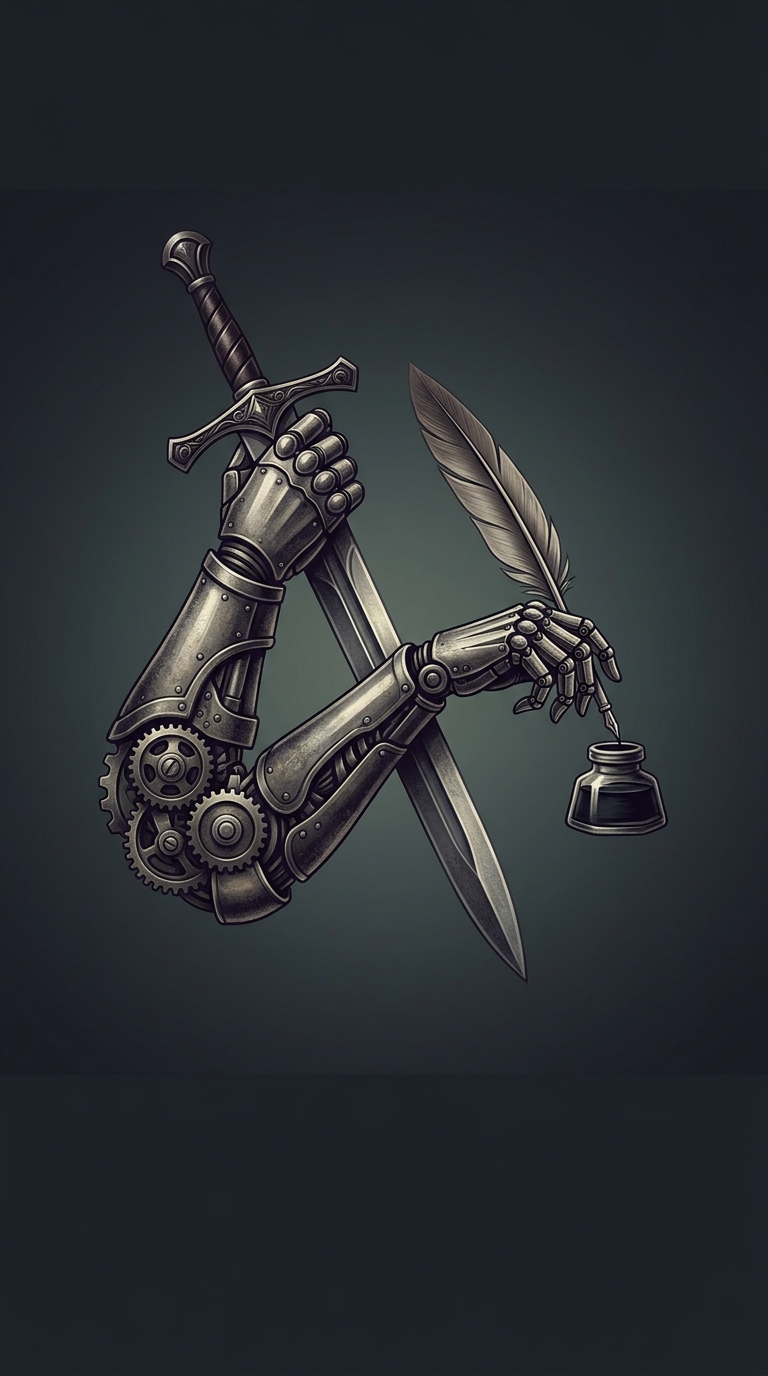
Götz von Berlichingen’s iron hand worked less like a modern powered prosthesis than like a set of small, adjustable clamps. Its fingers could be positioned around an object and held there by mechanical catches. That let him secure a sword hilt or grip a quill without having to supply the missing hand’s muscle power.
The distinction matters: the device did not restore ordinary touch or make every movement effortless. Its ingenuity lay in letting Götz choose a useful grip, lock it in place, and release it when he needed to change tasks. The fine adjustments made it more versatile than a simple hook, but it remained a tool that had to be set for the job.
Built for a Knight’s Working Life
A sword and a pen posed very different challenges. A sword demanded a firm hold under force; a quill required a much lighter, more controlled contact. The hand’s adjustable fingers made both possible, turning the prosthesis into equipment for the practical routines of a nobleman as well as for combat.
That range suited a life conducted through both force and administration. Götz fought in feuds and campaigns, but noble disputes also involved correspondence, negotiation, and written agreements. The iron hand did not erase the consequences of his injury; it helped him keep acting in a world where a grip could mean wielding a weapon one moment and handling a document the next.
Its most telling feature is not simply that it could hold a sword. It could also hold a quill: the same engineered hand served the physical business of feuding and the paperwork that accompanied it.