When a Lover Needed a Writer
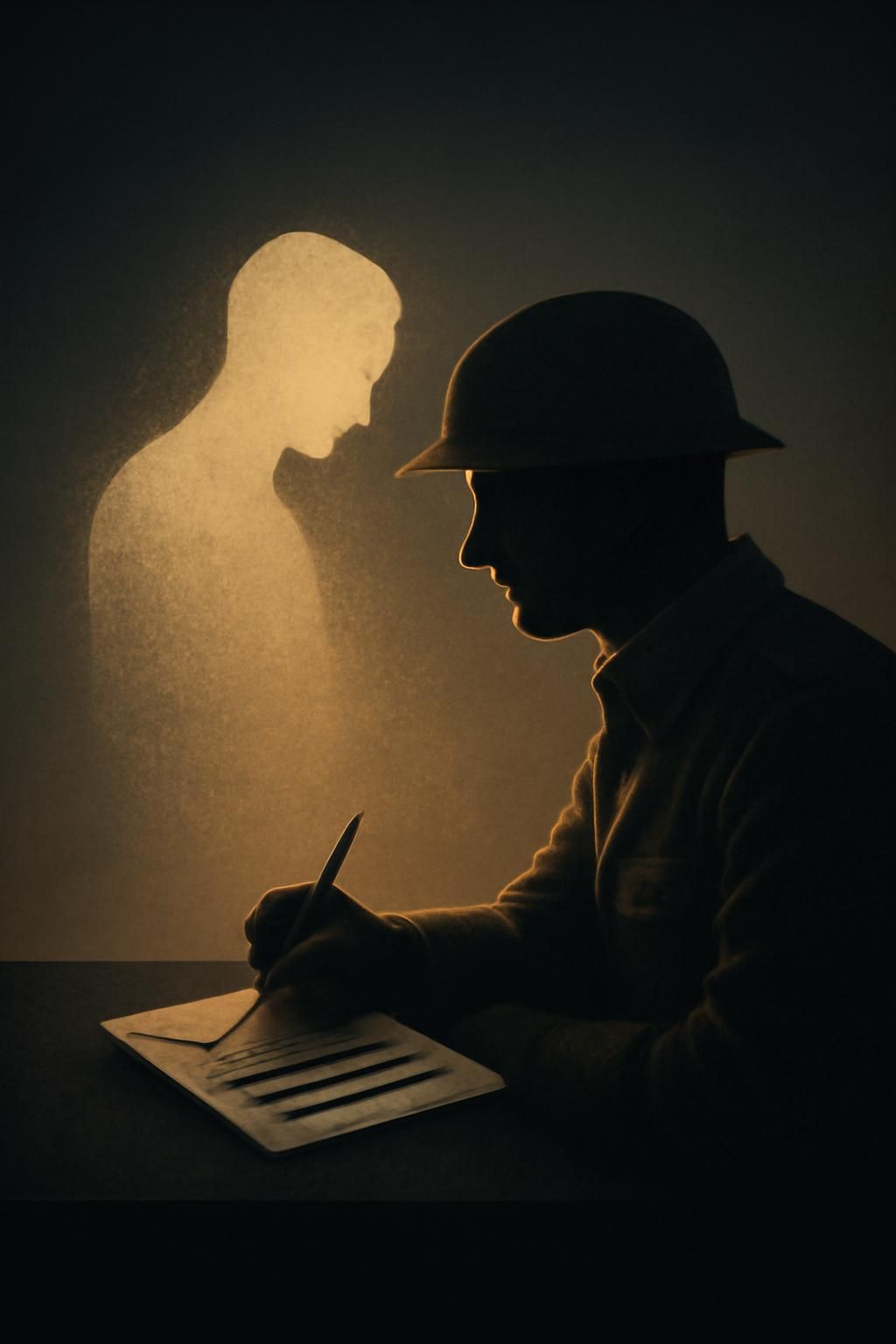
A medieval love letter could be personal in feeling but professional in form. A noble who wanted to send a polished message might dictate it to a scribe—a trained writer who could put words on parchment and shape them into an eloquent composition. The recipient might read the sender’s sentiments, but the phrasing could belong partly to someone hired to express them.
That arrangement made practical sense in a world where writing well was a specialized skill. A person could have strong feelings without knowing how to turn them into graceful prose or verse. A scribe supplied that craft, much as a professional writer or letter-writing service might today.
Feeling, Shaped for an Audience
The scribe’s task was not necessarily to invent affection from nothing. It was to make a message persuasive: to choose polished language, organize praise, and present desire in a form suited to its recipient. In courtly settings, where noble relationships were governed by rank and etiquette, a carefully composed letter could perform social work as well as convey emotion.
That distinction matters. Hiring a writer did not make a lover’s feelings false; it meant that private emotion passed through a public craft. The finished letter could be both sincere and deliberately fashioned. Its elegance reflected the writer’s skill, while its claims and intentions were meant to represent the sender.
The Personal Voice Was Never Entirely Solo
A dictated letter also depended on the scribe’s choices: which expressions to use, how to arrange them, and how to make the sender sound convincing. So the person receiving it encountered a collaboration, even if only one name appeared behind the message. Long before digital dating, people could recruit expertise to help them present themselves well in romance. The medium changed, but the wish to find the right words—and the willingness to get help—did not.