A closer look
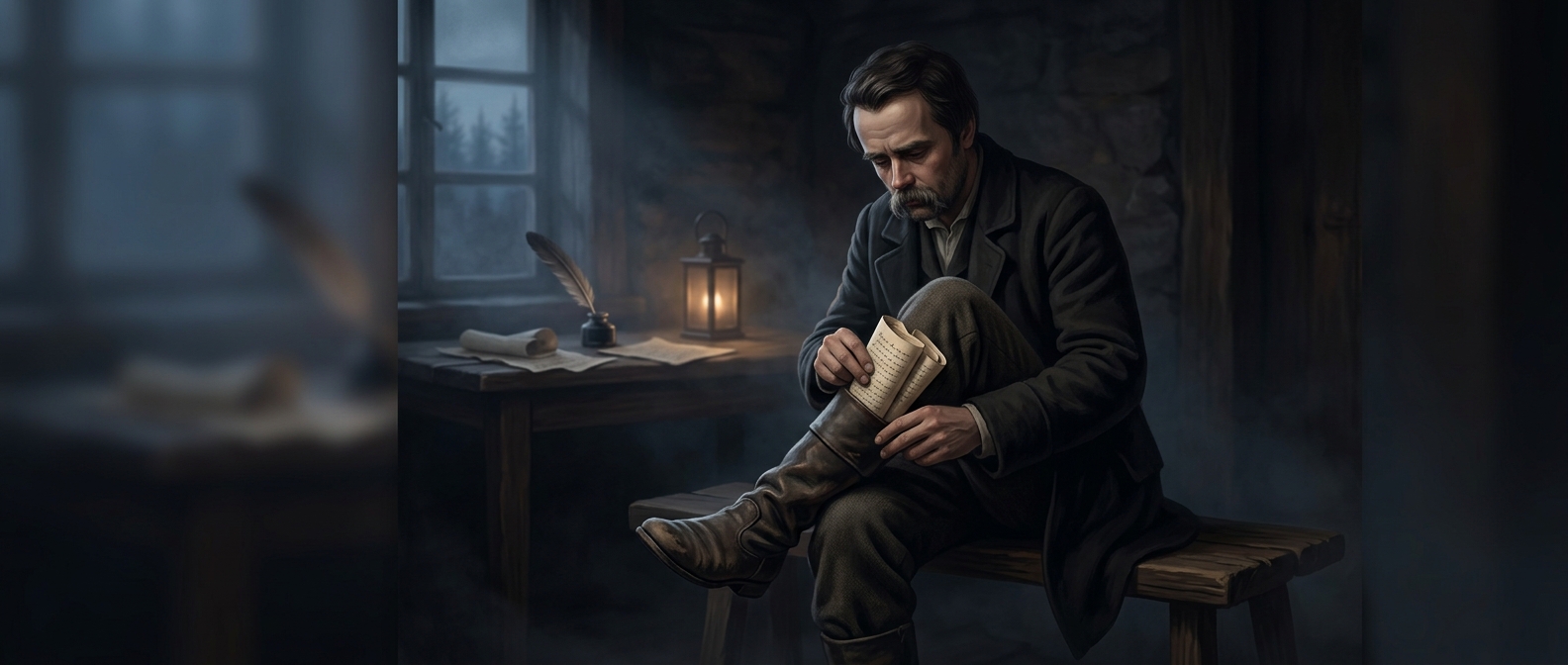
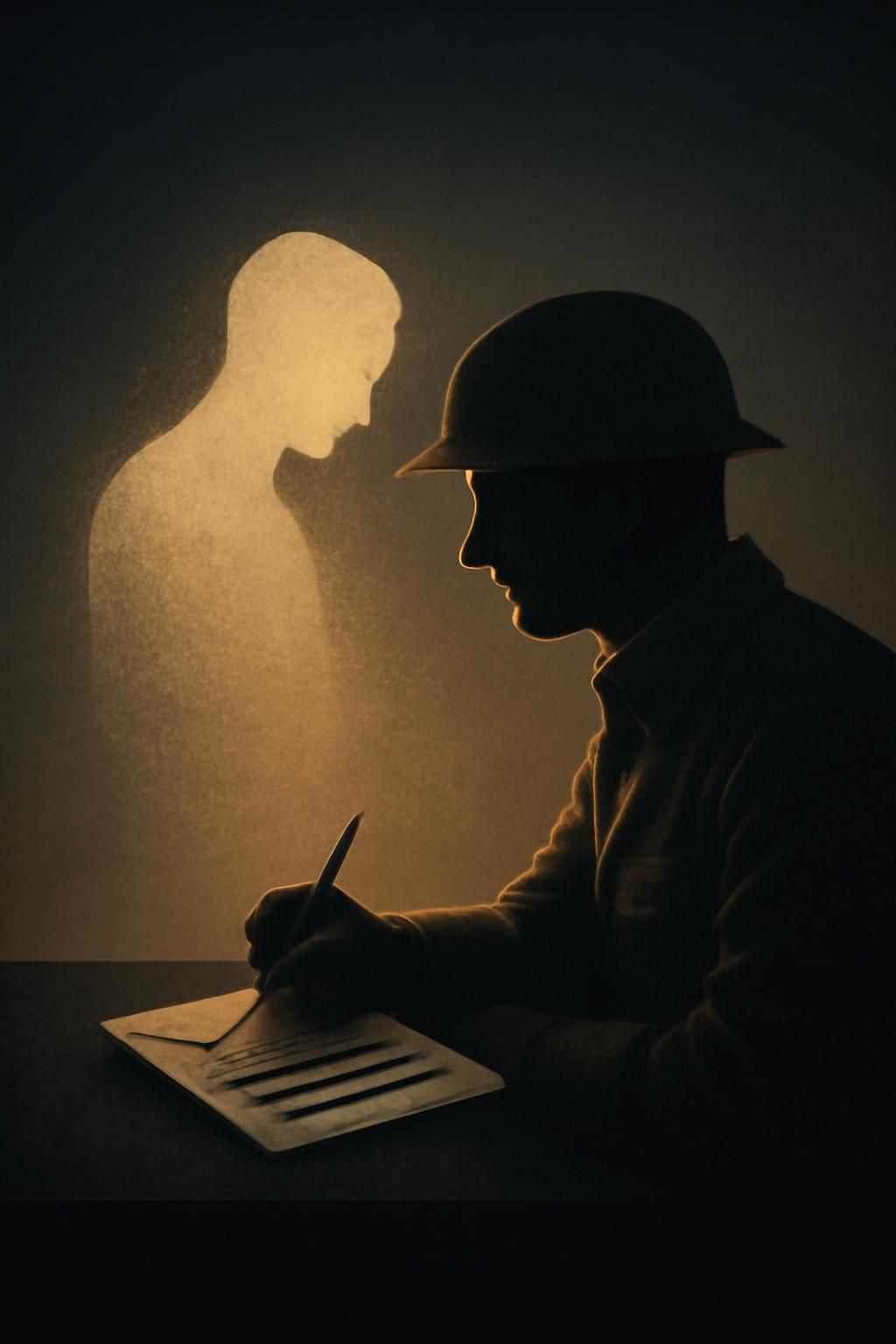
World War I soldiers sometimes poured their entire soul into letters they knew censors might read. Mail from the front was lifeline and liability: every envelope passed through officers who blacked out locations, numbers, and any hint of bad morale. Yet within those restrictions, troops found ways to smuggle truth. They drew tiny sketches, invented codes using family jokes, or hinted at horrors through mundane details, like how long boots stayed caked with mud. Lovers back home learned to read silence between the lines. A sudden shift to short, formal notes could signal trauma no one dared describe. Today, historians use these censored letters to reconstruct not just battles but private worlds on the edge of collapse. It is a strange bargain of war: governments tried to control words on paper, and in doing so accidentally preserved raw human voices for a century.