Why a Private Letter Could Become Political Evidence
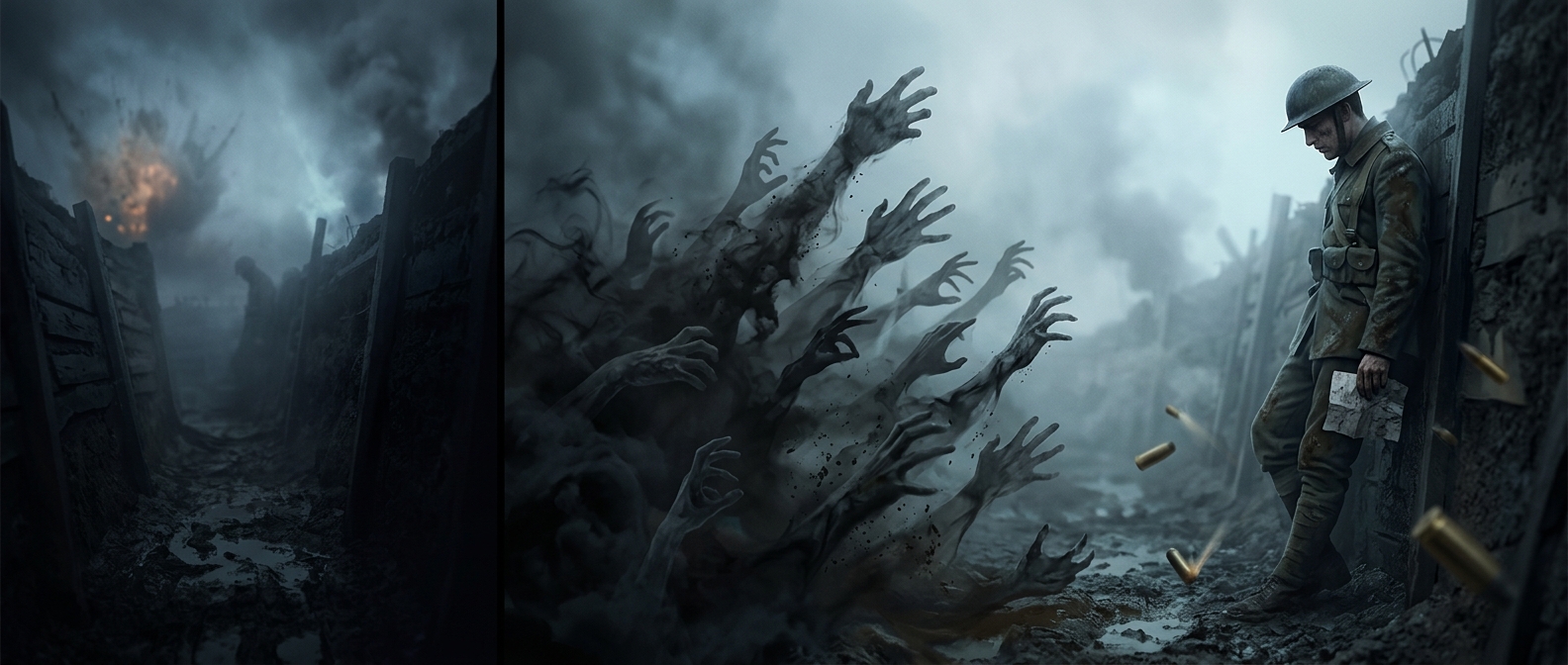
During the French Revolution, political loyalties shifted rapidly, and authorities and rival factions watched for signs of conspiracy. A letter could reveal more than its writer intended: who was in contact, where someone planned to go, or which side they seemed to favor. In a period when association itself could invite suspicion, private correspondence was not necessarily private in practice.
The Message Did Not Need a Cipher
A concealed password or meeting time might make a letter useful to conspirators, but ordinary details could also attract attention. Names, addresses, travel plans, and references to political events could help investigators connect people to a network. Even affectionate language might look suspicious when readers already expected coded meanings—or when a correspondent’s relationships crossed political lines.
That did not make every love letter a secret dispatch. It meant that the same words could be read in two ways: as an intimate message by its recipient, or as a clue by someone searching for evidence of disloyalty. The letter’s meaning depended partly on who opened it and what they believed they were looking for.
Paper Made Intimacy Vulnerable
A folded letter carried a relationship across distance, but it also left a physical record that could be seized, copied, or shown to others. Its writer could not control who handled it after it left their hands. In revolutionary politics, where suspicion could turn personal connections into grounds for scrutiny, that loss of control mattered: a message meant for one person could become evidence in someone else’s case.