
A closer look
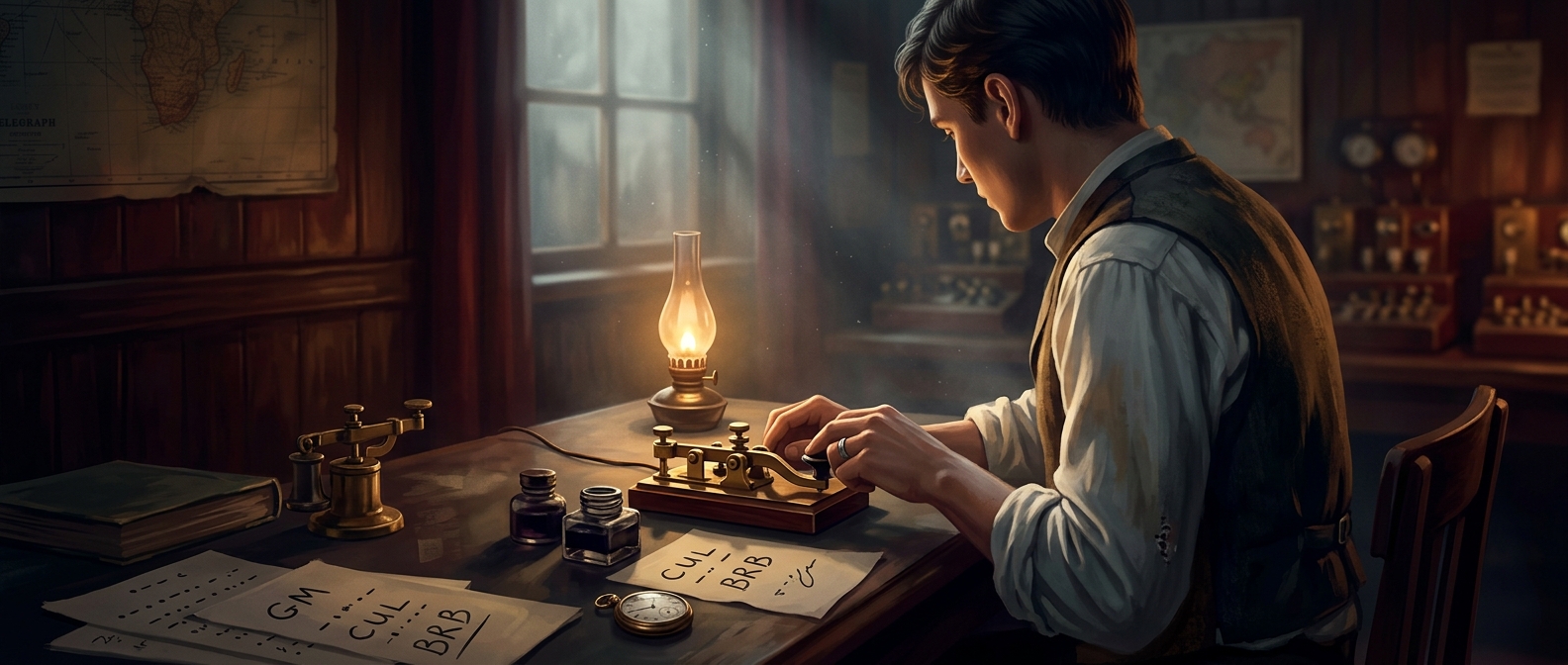
Before the internet, there was a global network that already connected lovers, spies, and scammers: the humble postal system. A century ago, letters moved with astonishing speed; in some big cities you could send a note in the morning and get a reply by afternoon. People used postcards like public tweets, cramming gossip and flirtation into a card that anyone along the route could read. Governments quickly realized the power of this flow. Wartime censors opened, copied, and sometimes rewrote private messages, while postal inspectors hunted fraud schemes and radical pamphlets. The envelope became both shield and target. Dead letter offices piled up with undeliverable secrets, sometimes auctioned off with their unknown contents. When we worry today about email surveillance and chat encryption, we are replaying old debates about how much privacy ordinary people deserve when they talk across distance.