A closer look
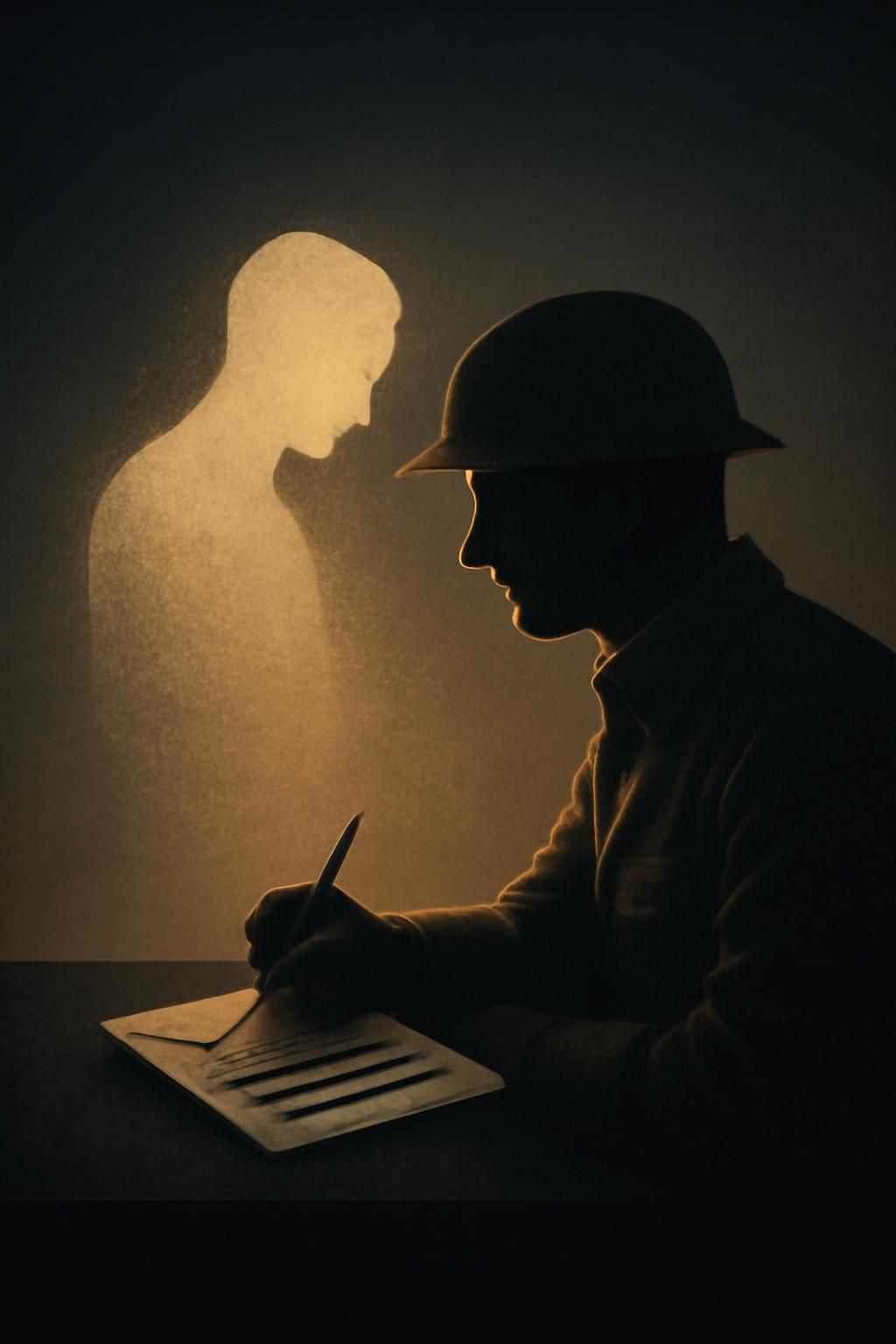
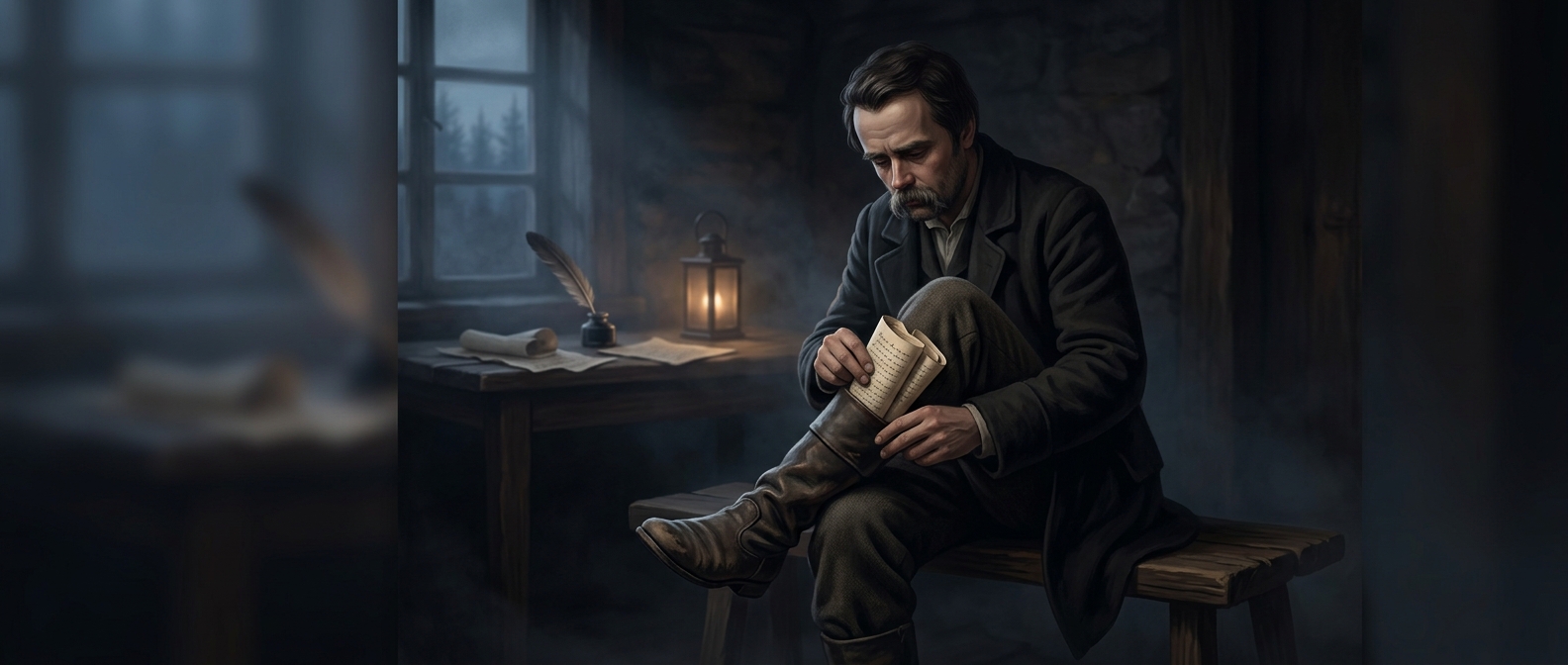
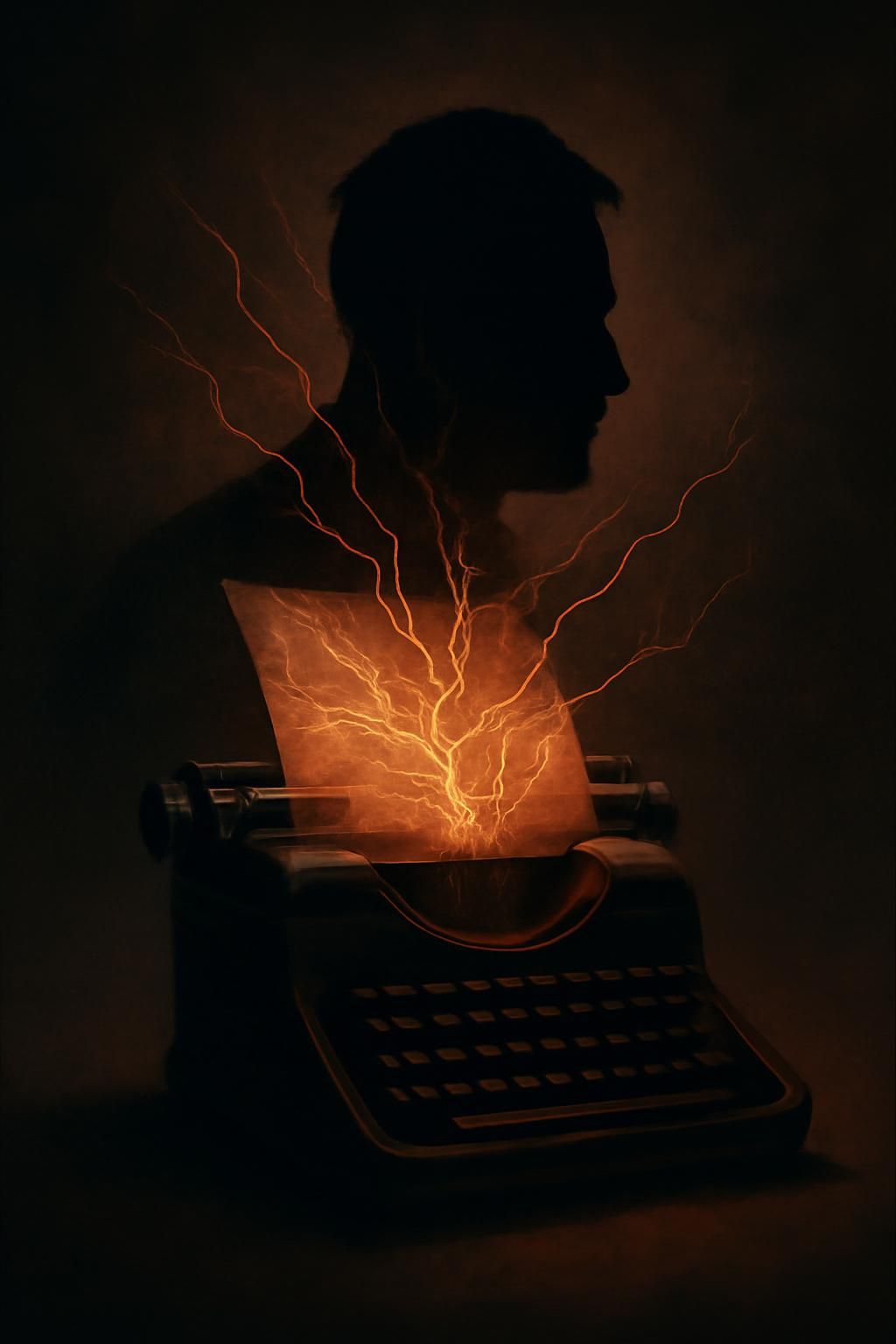
In the Soviet Union, some of the most dangerous objects you could own were not weapons, but carbon paper and a typewriter. Censored books, banned essays, and politically risky poems circulated as samizdat: self-published texts copied by hand or on noisy, clacking machines in cramped apartments. Each copyist risked surveillance and prison, yet the network grew like a secret nervous system under the skin of official propaganda. People read faded pages passed through dozens of hands, knowing a single mistake could expose an entire circle. The content ranged from Western novels to local satire, from philosophy to reports of human rights abuses. This shadow library did not topple the regime alone, but it quietly preserved alternative realities. In an era before encrypted chats, resistance was literally pressed into thin, smudged paper that might take months to travel across a city.