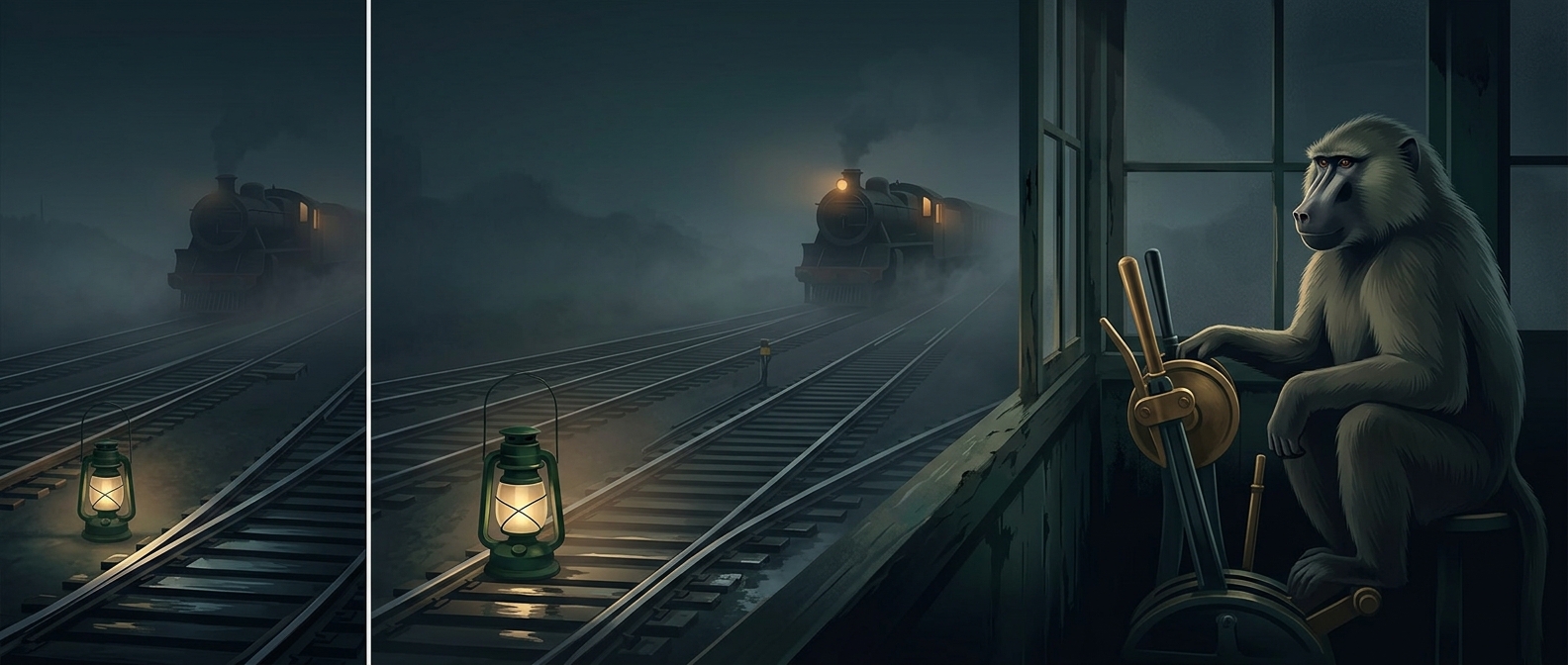
How Jack the baboon learned railway work
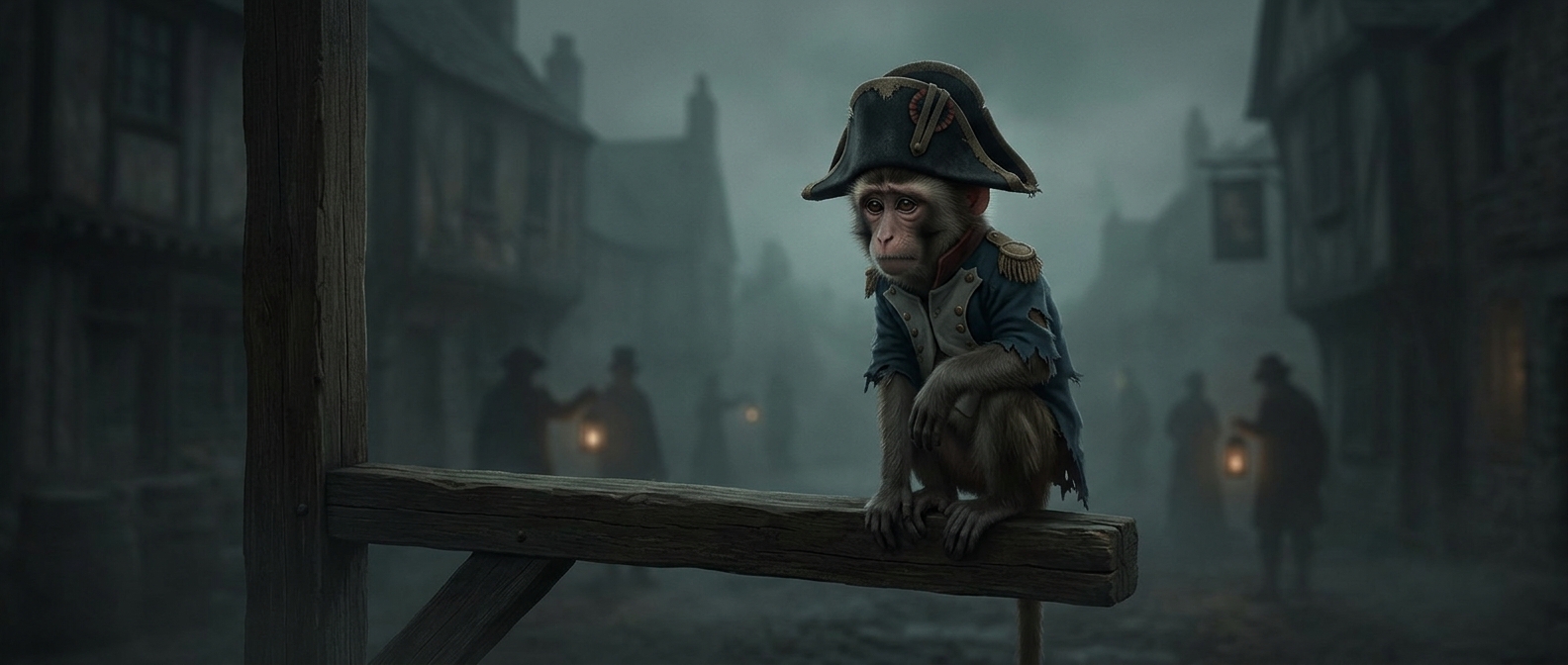
In the late 19th century, a baboon named Jack worked at a railway station in Uitenhage, in what was then the Cape Colony. He belonged to James Wide, a signalman who had lost both legs and needed help getting around and doing his job. Jack first helped move Wide on a small railway trolley; in time, he also learned to operate railway equipment.
A signalman’s work was not simply pulling a lever at random. Signals had to be set in the right sequence so train crews could tell whether a route was clear. Jack learned by watching Wide and responding to the familiar routines and cues around the station. The striking part of the story is not that a baboon understood railway rules as a human would, but that he could learn a repeated, practical task within a structured workplace.
From unusual helper to railway employee
Once railway officials learned that Jack was operating signals, they reportedly tested his ability before allowing him to continue. He remained on the job for nine years, receiving wages and a weekly allowance of beer. Accounts say he made no mistakes during that time.
Jack’s employment also shows how railways depended on precise routines—and how a worker’s usefulness could be judged by whether those routines were carried out reliably. Wide needed assistance, and the railway needed its signals operated. Jack’s unusual skills met both needs. For years, trains passed through a station where one of the people helping keep their routes orderly was a baboon.