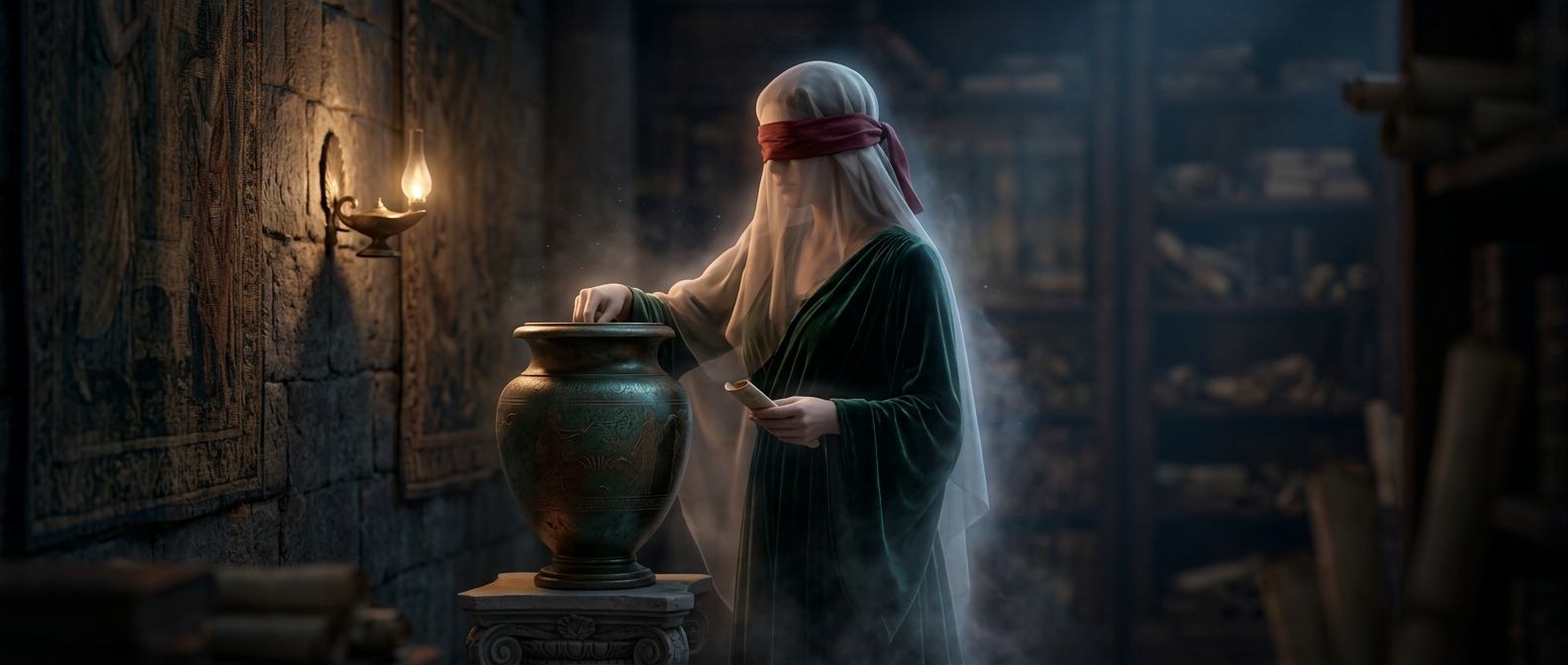
A name from the bowl became a yearlong match
In some historical Valentine’s Day customs, the day’s romance began not with a chosen crush but with a draw. Names went into a lottery, and each person drew a partner. The randomness was part of the point: it turned courtship into a shared social game, rather than leaving everyone to make a private, deliberate choice.
The pairing came with a public role
Being matched was more than a moment of amusement. The two people were expected to behave as sweethearts for the year—an arrangement that could involve attention, gifts, or other signs of affection. A chance draw therefore created a small social obligation: each partner had to play along with a relationship everyone else knew about.
That expectation also gave the custom its tension. A pairing might be welcome, awkward, or simply inconvenient, but the lottery supplied a ready-made script for responding. Participants could perform courtship without having to explain why they had chosen one person over another.
Chance made the ritual memorable
The draw did not guarantee lasting love; it made romance into an event with rules and an audience. For a year, an ordinary name pulled from a bowl could shape how two people treated one another—and give the community a couple to watch. Valentine’s Day, in this form, was less about declaring a carefully chosen devotion than about seeing what happened when chance assigned one.