A name pressed into the wall’s smallest unit
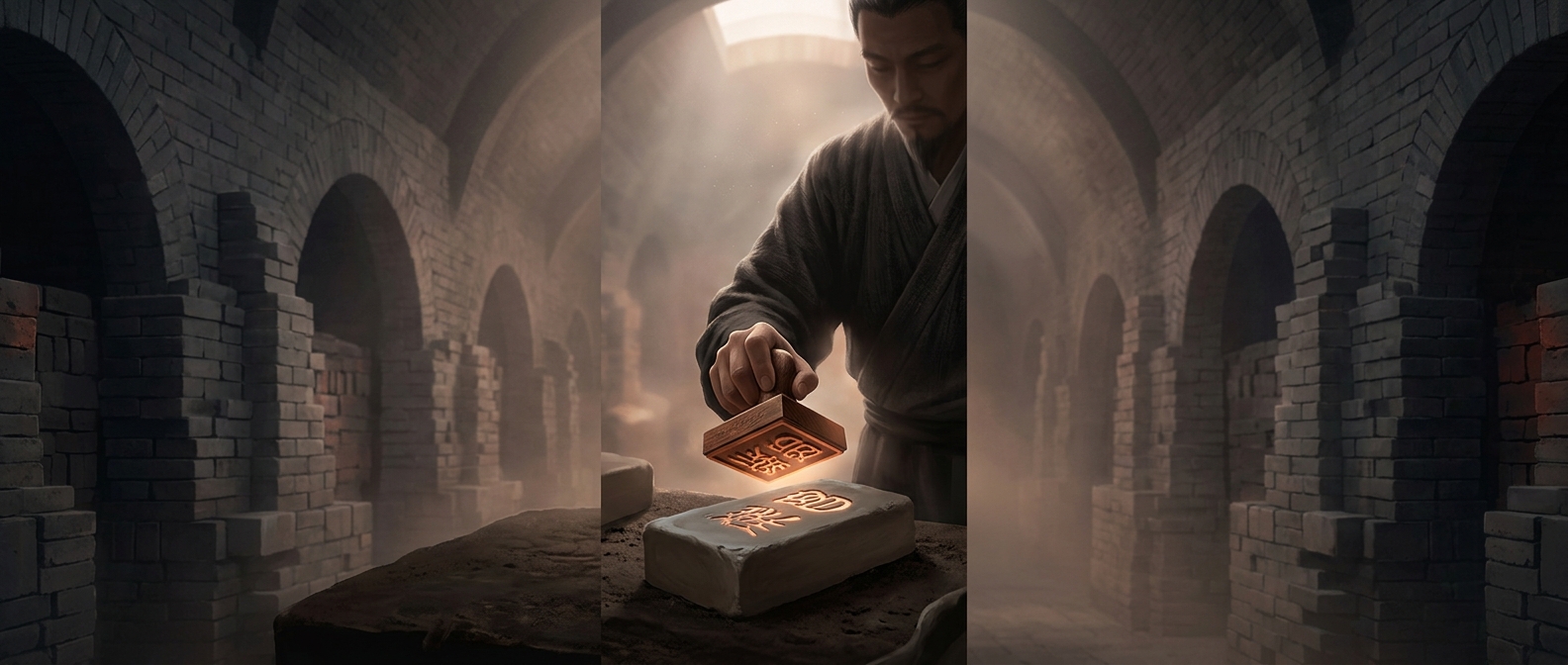
Before a brick was fired, its maker could press a personal name into the soft clay. Once hardened, the mark stayed with the brick through handling and construction. That turned an ordinary building material into a record: if a section of defensive wall later proved defective, officials had a way to identify who had made the brick.
Accountability built into production
A wall was assembled from thousands of separate pieces, often made before they reached the construction site. Without a mark, a flaw in one brick could be difficult to trace to its source. A stamped name linked the finished piece to a worker, making responsibility more visible even after the brick had left the maker’s hands.
The mark was therefore more than decoration or a claim of craftsmanship. It helped inspectors connect a problem in a large structure to an individual point in the production process. The system did not guarantee that every brick was sound, but it made anonymous workmanship harder to hide.
A durable administrative tool
The choice of clay made the record practical: the stamp could be applied while the material was still soft, and firing made the brick sturdy enough for construction. The result joined two things that usually seem separate—a building component and a traceable work record. In a defensive wall, that small impression gave inspection a human trail to follow.