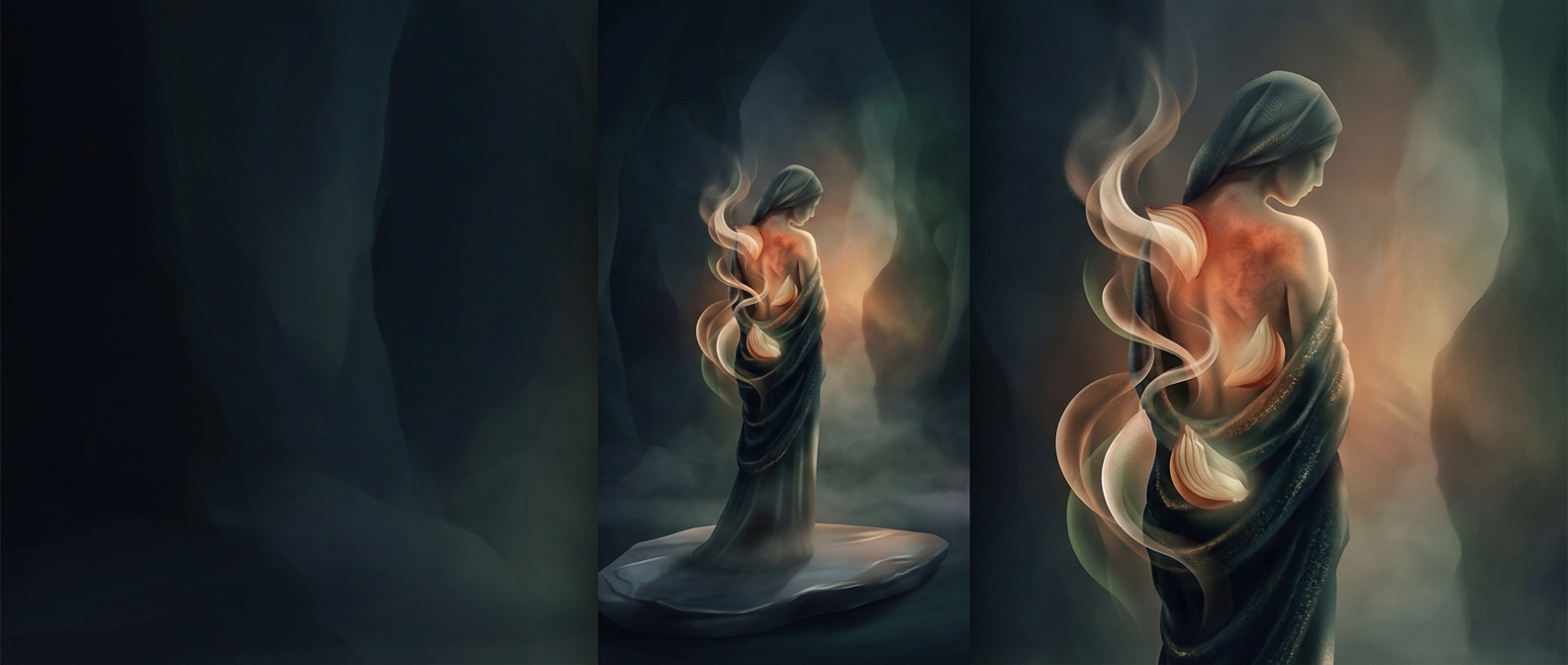
The problem is blood leaving, not arriving
In a reattached finger, ear, or skin flap, surgeons may reconnect arteries before they can restore reliable drainage through tiny veins. Arteries deliver oxygen-rich blood, but if blood cannot get back out, it pools in the tissue. Pressure rises, oxygen delivery falters, and the repair can be threatened even though blood is still flowing in.
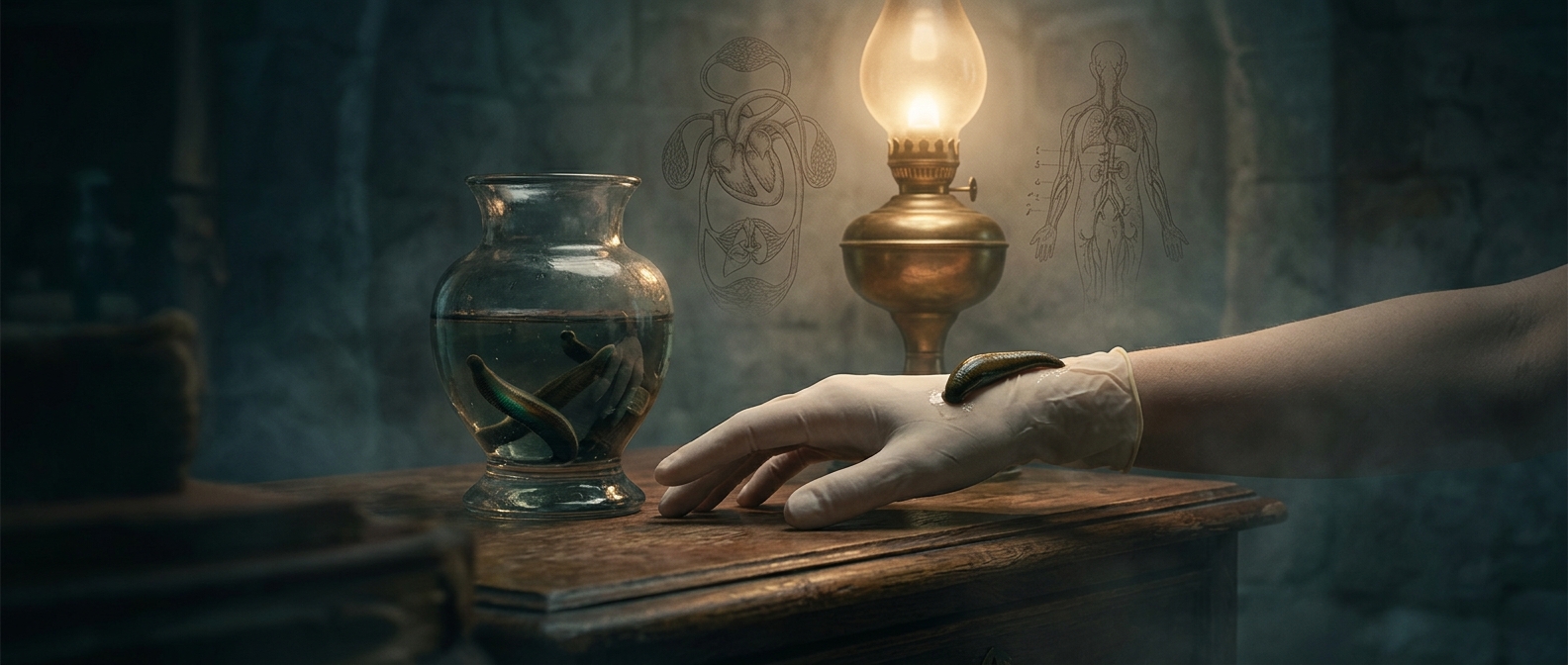
A leech provides a temporary outlet. It draws blood from the congested area, and its saliva contains substances that interfere with clotting. The bite can also ooze after the leech detaches, extending the drainage beyond the meal itself. That continued bleeding is useful here: it gives the tissue time while its own venous channels recover or new connections form.
A temporary bridge, not a replacement vein
Leeches do not reconnect vessels or repair the underlying circulation. They are a bridge through a vulnerable period, used under close medical supervision. Clinicians must watch the tissue and manage blood loss; leeching also carries a risk of infection because bacteria can live in a leech’s digestive tract.
The practice’s modern role is therefore much narrower than the old idea of using leeches to treat illness by removing blood. In reconstructive surgery, the aim is specific: relieve venous congestion when a delicate repair cannot yet drain itself. The leech’s value lies in buying time for the body’s own circulation to catch up.