A flag could change the decision at sea
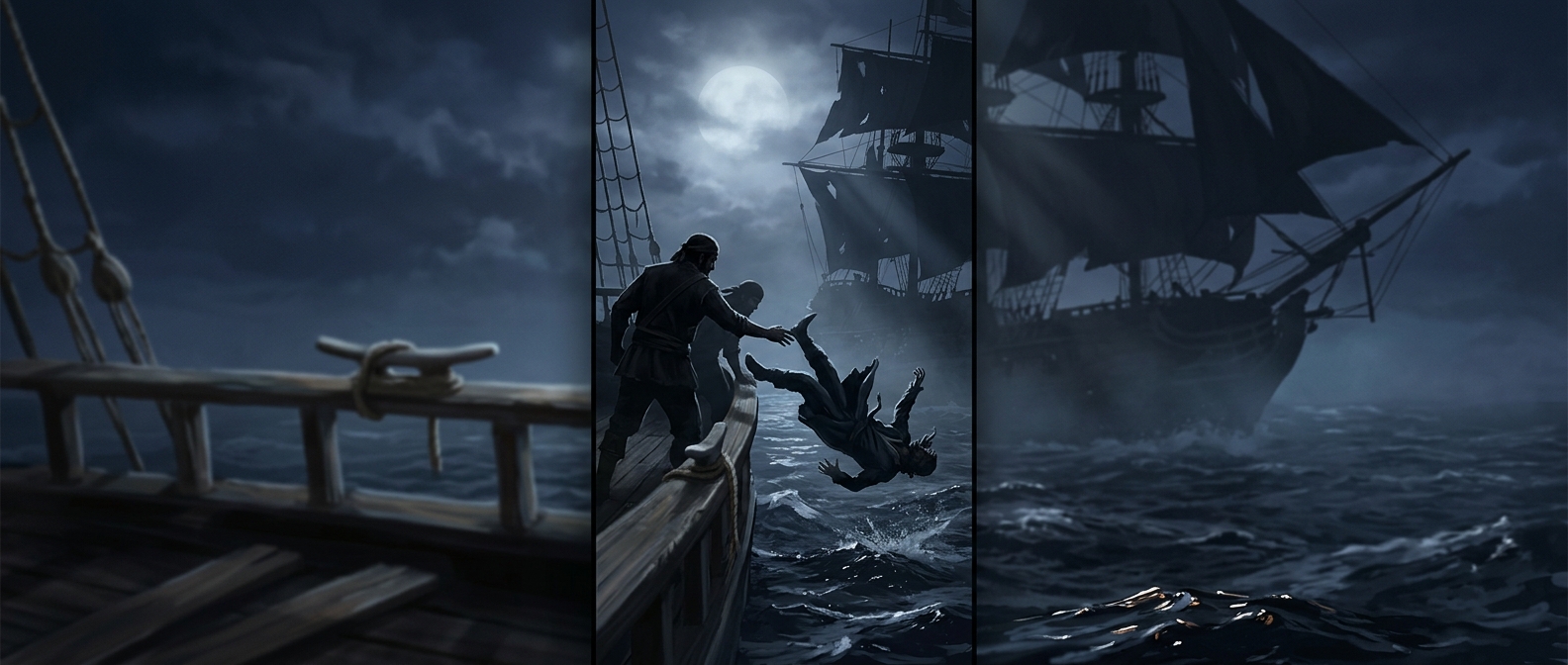
For a merchant ship, identifying a pirate vessel early could mean a chance to flee. Pirates therefore had reason to conceal their intentions until they were close. A ship might approach under a friendly or otherwise unremarkable flag, then reveal its pirate colors when escape was harder. The flag turned a sudden change in appearance into a clear message: the danger was real, and the crew had to decide quickly whether to resist.
Colors communicated different stakes
A red flag was associated with a threat of no mercy if the target fought back. A black flag could signal that the pirates were open to negotiations, such as accepting a surrender rather than forcing a battle. These signals made the flag more than a badge of identity: it helped frame the choices facing the other ship’s crew.
The meanings were not a universal code followed identically by every pirate crew. A flag’s effect depended on what its viewers believed it promised—and whether they believed the pirates would carry out the threat.
The threat could save effort
Boarding a resisting vessel risked injury, damage, and delay. A frightening signal could instead persuade its crew to surrender, giving the pirates the advantage without a fight. If the target refused, the flag also made the consequences unmistakable.
That was the practical power of pirate colors: they could conceal an approach, announce a threat, or open the way to surrender talks. At sea, a piece of cloth could help decide whether the next encounter became a negotiation or a battle.