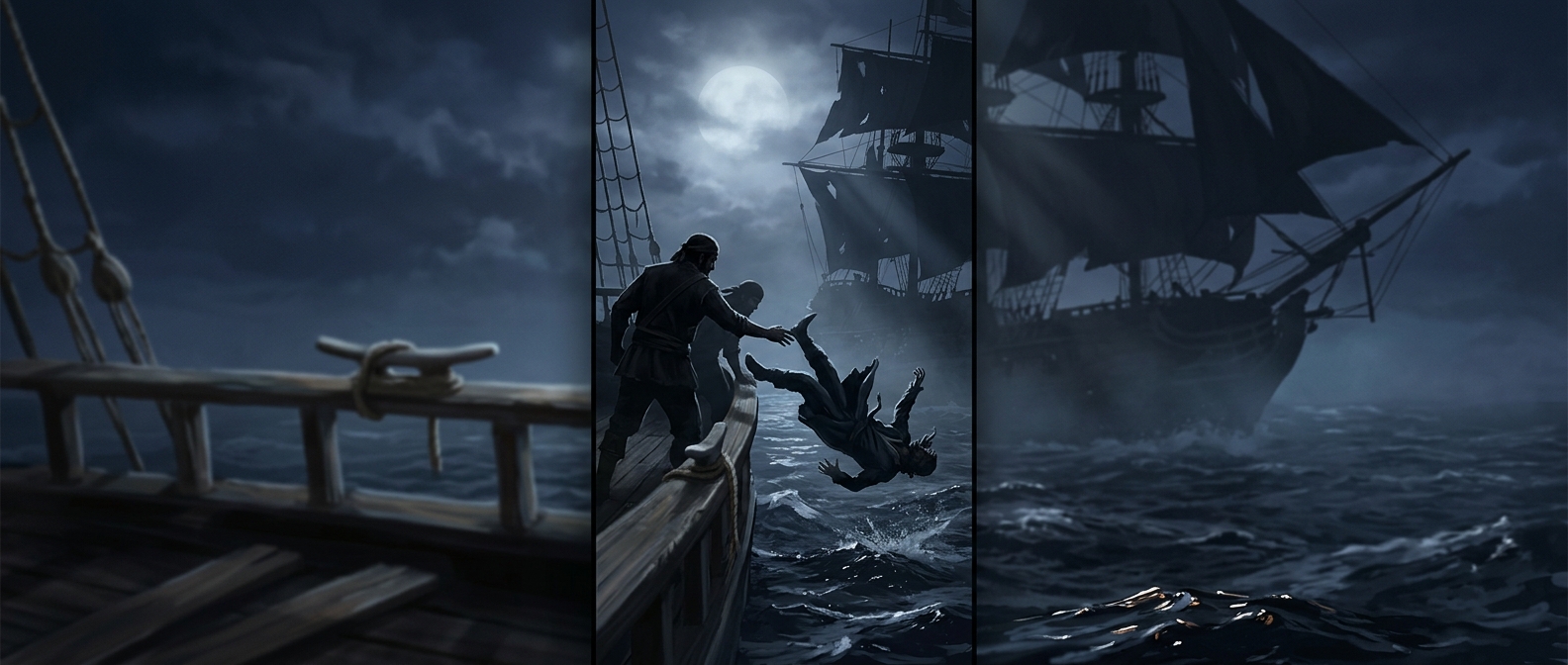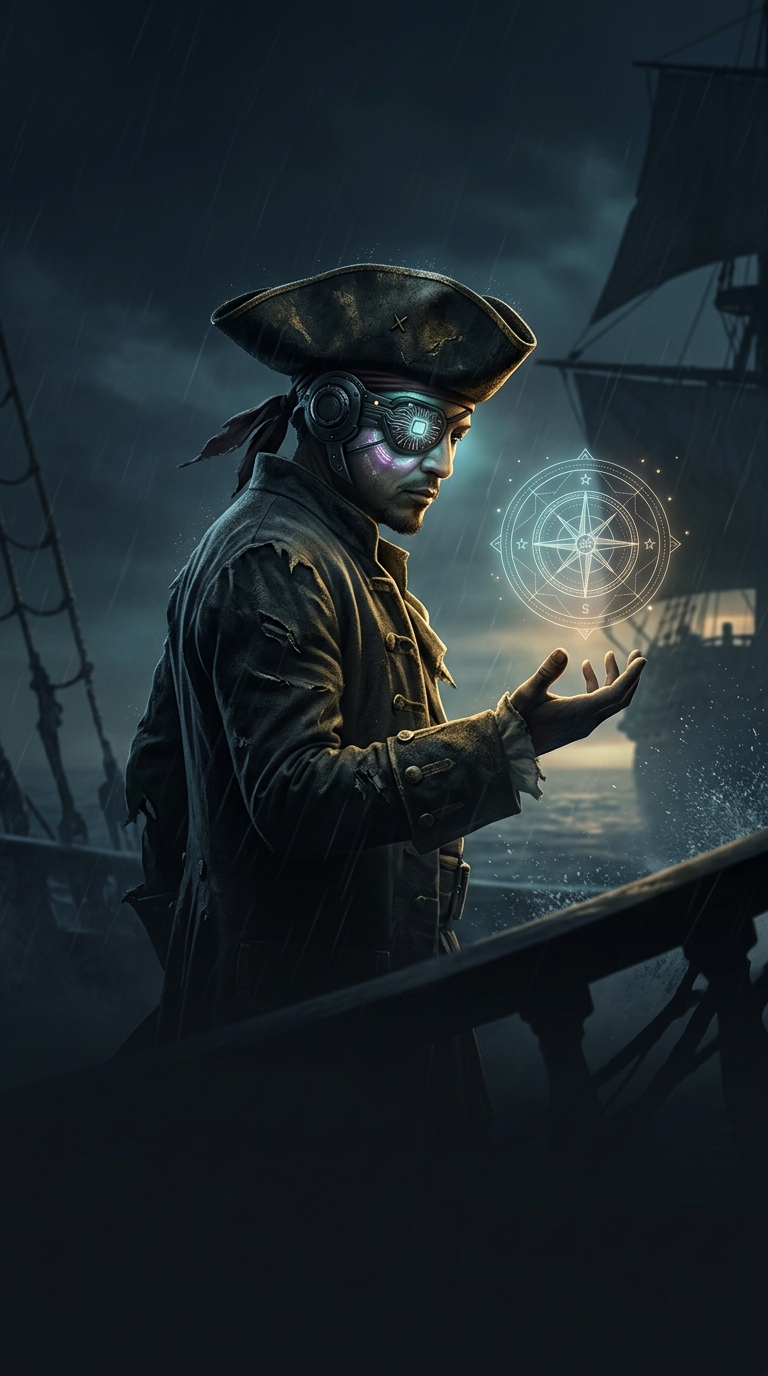
A disguise could open a door to sea
In the early 18th century, a woman who wanted to travel, earn a living, or escape a household had far fewer accepted routes than a man. Going to sea as a man could make those routes reachable: it offered access to shipboard work and movement through a world where women were often excluded. Anne Bonny and Mary Read both lived for periods under male identities, though their paths to piracy were different.
Their disguises were not just costumes. A sailor had to work, live, and travel among men, so keeping an assumed identity meant managing daily scrutiny as well as danger. The sea offered a kind of escape, but it demanded physical labor and exposed everyone aboard to violence and the law.
From pirate crew to courtroom
Bonny and Read became part of the crew associated with John “Calico Jack” Rackham. In 1720, colonial authorities captured the group and brought its members to trial in Jamaica. The prosecution of the crew turned their identities into public spectacle: accounts emphasized that two of the pirates were women, a detail that challenged expectations about who could fight or take part in piracy.
The surviving stories come largely through legal and popular accounts of the period, which could sensationalize their lives. Even so, the central tension is clear: Bonny and Read used disguise to enter a dangerous world that offered them options unavailable at home, only to have capture expose them and end that escape. Their story is memorable not simply because women became pirates, but because it shows how far some people were willing to go when ordinary life left them little room to choose.