Why artists wanted a pigment made from mummies
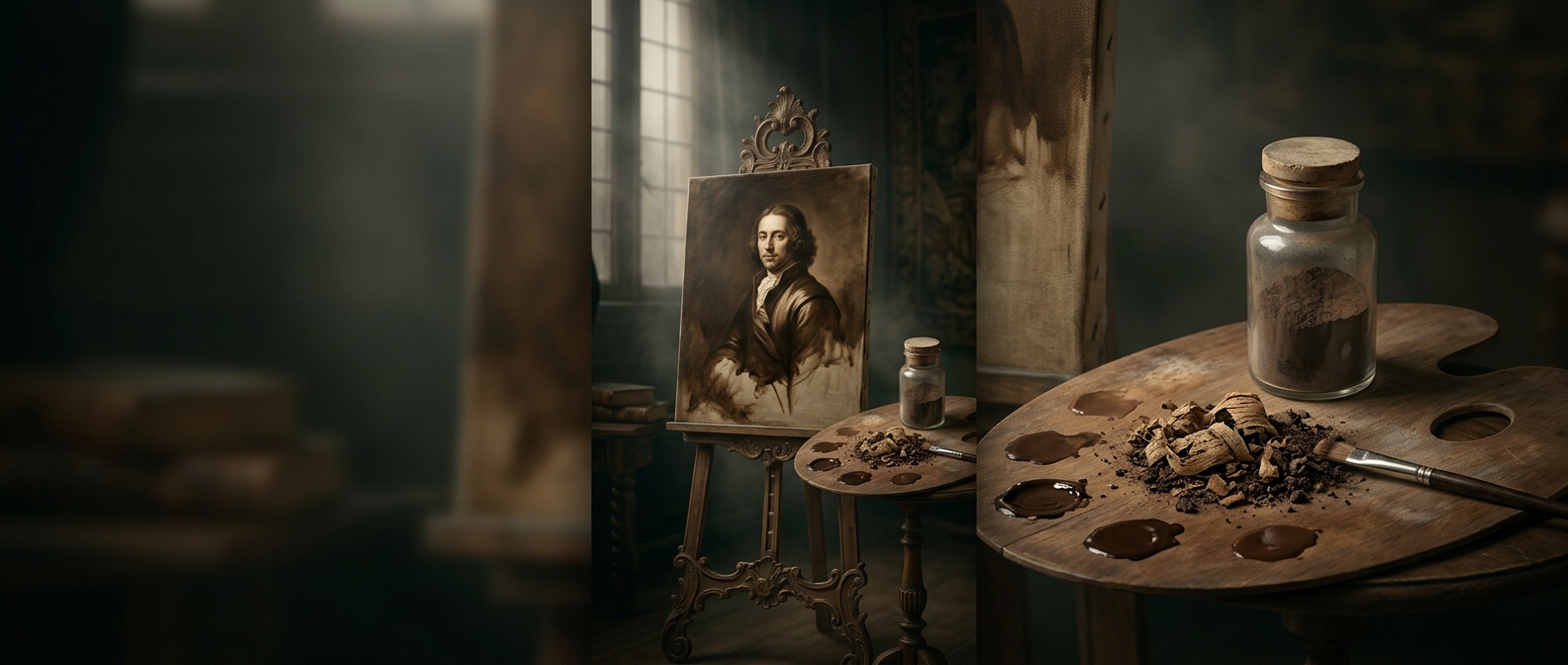
“Mummy Brown” was valued less for its grisly origin than for what it did on a canvas. It produced a warm, transparent brown that could be brushed in thin layers to deepen shadows, soften transitions, or suggest aged wood and earth. In oil painting, a transparent pigment lets underlying colors show through, making it useful for glazing: applying a thin layer over dried paint to subtly change its tone.
The pigment was sold as a manufactured artists’ color, not simply as an intact mummy ground up in a studio. Recipes and quality varied, and the material could include resinous substances alongside powdered remains. The remains might be human or animal, including cats that had been embalmed in ancient Egypt. That mixture gave the pigment its distinctive name—and made its supply dependent on a source that could not be replenished like a mineral deposit.
A color with an unsettling supply chain
In the 18th and 19th centuries, European interest in ancient Egypt helped create a market for Egyptian objects and materials. Mummies were handled not only as archaeological remains but also as commodities, and powdered mummy material entered artists’ color shops. The route from tomb to paint tube turned human and animal remains into an ordinary studio ingredient, even though the finished brown gave no visible clue to its origin.
The pigment’s decline was practical as well as cultural. As awareness of what it contained grew, some artists and suppliers were unwilling to use it; dwindling or unreliable supplies also made it difficult to keep selling consistently. By the 1960s, the recipe had fallen out of use. A tube labeled “Mummy Brown” therefore preserved an unusually direct link between a color’s name and the material from which it was made: the brown on the palette had, quite literally, come from the dead.