Why Swiss infantry changed the battlefield
For much of the late medieval period, European armies depended heavily on mounted nobles and their retainers. Swiss infantry offered rulers a different kind of force: tightly organized foot soldiers who could hold ground and attack as a unit.
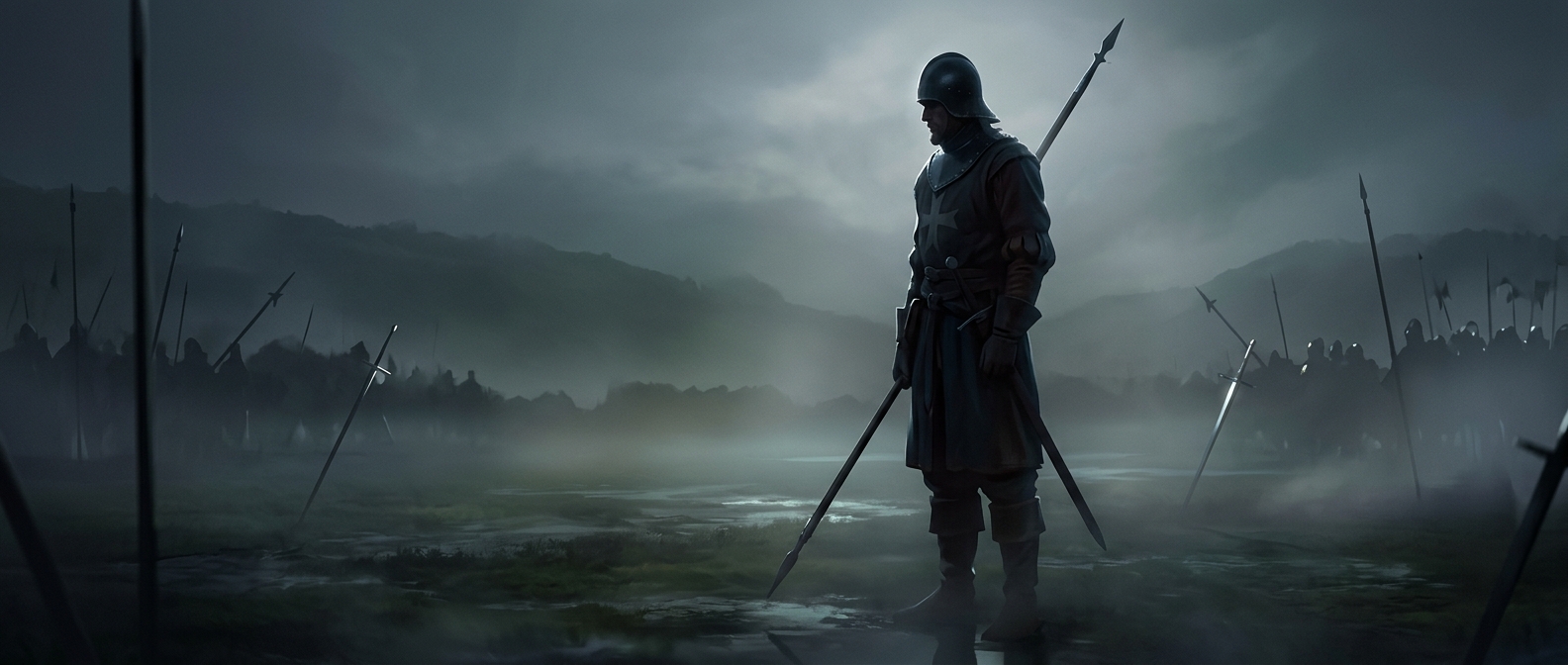
Their signature weapon was the long pike, a spear several yards long. Packed ranks presented a dense barrier of points to charging cavalry. Swiss troops could also advance in compact formations, using pikes and shorter weapons such as halberds to press into the enemy line. The formation mattered as much as any individual weapon: soldiers had to keep pace, protect one another, and continue moving under attack.
Discipline made them valuable—and dangerous
Swiss companies drew on a tradition of local military service and close-knit recruitment. Men from the same communities could be expected to fight alongside people they knew, helping bind a formation together. Their reputation for cohesion made them attractive to foreign rulers who needed dependable infantry, not simply more men on a muster roll.
That reputation also had a practical edge. A ruler hiring Swiss troops gained experienced soldiers, but had to accept their cost and their own interests. Mercenaries were contracted forces, not an obedient extension of a king’s household; their service depended on agreements, pay, and the political choices of the communities that supplied them.
A reputation with limits
Swiss pike formations helped make infantry a force that could challenge mounted elites, but they were not unbeatable. Their close ranks could be vulnerable to weapons and tactics that disrupted a formation before it reached its target. As armies changed, the balance shifted toward combinations of infantry, firearms, artillery, and cavalry.
Still, the Swiss left a lasting lesson for European rulers: disciplined foot soldiers could decide a battle, and a government could hire that capability from beyond its own borders. A compact block of infantry, moving together, could be more consequential than a larger crowd of fighters.