A bucket became the battle’s unlikely trophy
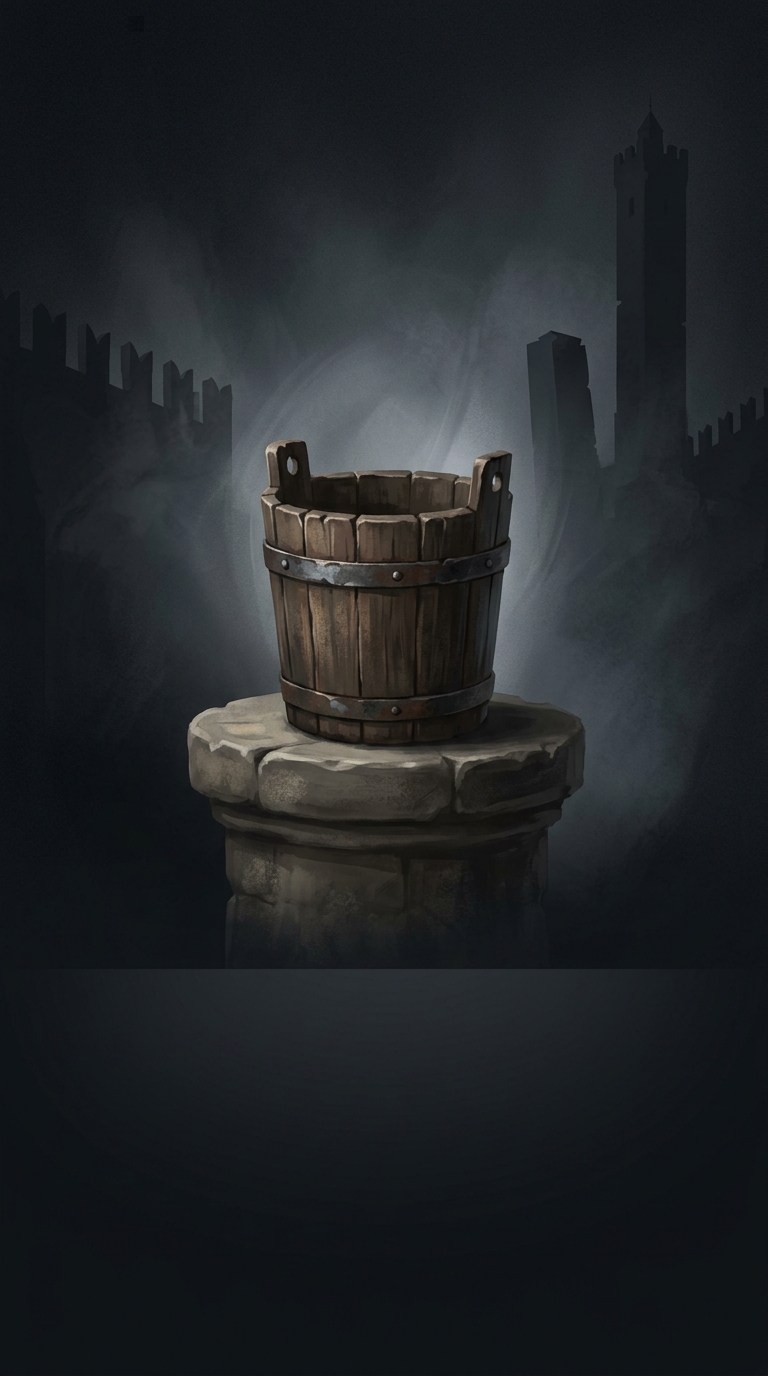
The wooden bucket associated with Zappolino is memorable partly because it sounds too small to belong to a story of mass violence. It was not the prize that sent armies into the field. The fighting grew out of a much larger contest between Bologna and Modena, neighboring cities whose rivalries were sharpened by Italy’s political divisions.
In the early 14th century, many Italian cities were aligned with one of two broad camps: the Guelphs, generally supporters of the papacy, and the Ghibellines, generally supporters of the Holy Roman Emperor. Those labels could signal real political loyalties, but they also became entangled with local feuds and struggles for influence. Bologna and Modena backed opposing sides, giving their competition a wider political dimension.
Why a simple object endured
At Zappolino in 1325, Modena defeated Bologna. The bucket’s fame comes from the story that Modenese soldiers carried it away from a Bolognese well as a trophy. Its ordinariness makes the tale vivid: amid a conflict remembered for thousands of deaths, the object that survived as a symbol was not a crown or a weapon, but a piece of everyday equipment.
That contrast should not obscure the battle’s human cost. The bucket is a souvenir of victory, not an explanation for the war. Treating it as the cause would turn a political and military struggle into a joke about a stolen household object.
A trophy, and a memory of rivalry
Modena still displays the bucket in its town hall. There, it represents more than one victory: it keeps alive the rivalry between two cities and the way political faction could intensify conflicts already rooted in neighboring powers. The small wooden object is easy to remember; the harder story behind it is how quickly local competition could become a deadly battle.