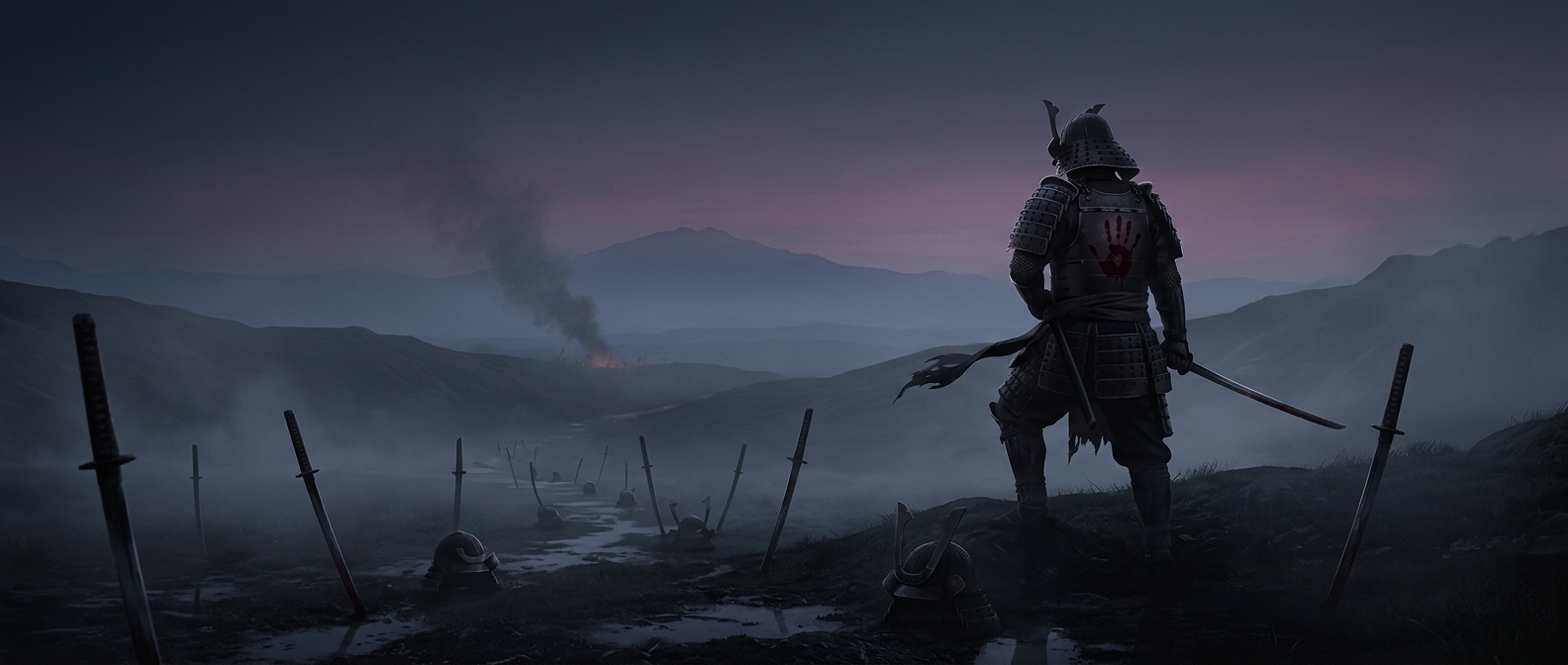
Why a Sengoku alliance had an expiration date
In Sengoku Japan, a warlord’s power depended on holding land, securing food and routes, and keeping local lords and fighting men on his side. There was no single authority able to enforce a lasting peace across the country. A pact therefore rested largely on whether its terms still served the people who made it.
An alliance could help two rivals face a more dangerous opponent, protect a border, or buy time to strengthen a position. But the calculation changed when a threat weakened, a neighboring lord grew stronger, or a succession dispute opened a new opportunity. The same neighbor who had been useful as a partner could become the main obstacle to expansion.
A pact was a tool, not a guarantee
These agreements were not necessarily meaningless. Cooperation could involve real military commitments, and breaking a pact carried risks: former allies knew one another’s territory and plans, and a defection could invite retaliation. But loyalty was tied to political circumstances, not simply to personal affection or an abstract promise.
That made trust something to manage. Warlords had to watch not only an enemy’s movements but also whether an ally’s incentives were changing. A shift in the balance of power could prompt renewed bargaining, a new partnership, or a return to fighting. “Overnight” captures how quickly the choice might look different; it does not mean every alliance ended suddenly or without warning.
The consequence was a political landscape in which peace could be genuine and still temporary. A border quieted by cooperation was not necessarily settled—it might stay quiet only while both sides found conflict more costly than working together.