A battlefield punishment meant to travel
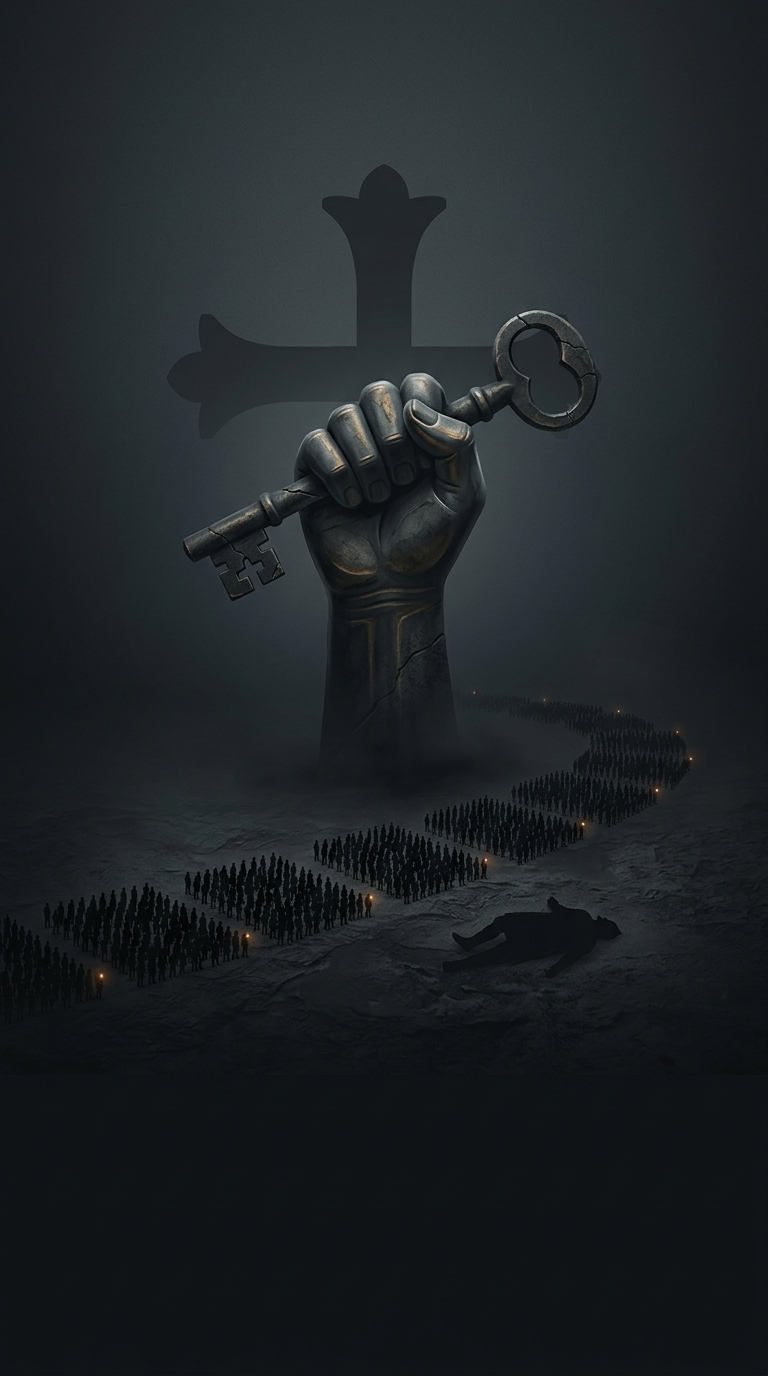
At Kleidion, Basil II’s treatment of captured Bulgarians turned defeat into a message aimed well beyond the battlefield. Blinding the prisoners made them unable to fight effectively, while sending them back in groups—with one partially sighted man to lead each—made the punishment visible to the people who would receive them. It was violence designed not only to disable an enemy force, but to make the cost of resistance impossible to ignore.
The striking details come through medieval accounts, so they should be understood as a reported episode rather than a modern, independently verified count. Still, the story’s central image—columns of blinded soldiers returning home—became inseparable from the battle’s memory.
The message did not end the war
Basil’s campaign was part of a long struggle between the Byzantine Empire and the Bulgarian state under Tsar Samuel. The soldiers’ return is said to have devastated Samuel, who reportedly suffered a stroke and died soon afterward. That account gives the episode a powerful personal ending, but the conflict did not conclude at Kleidion: Byzantine campaigns continued, and Bulgaria was brought under Byzantine rule in 1018.
The punishment’s legacy is therefore larger than a gruesome anecdote. It captures how medieval rulers could use the bodies of defeated soldiers as a warning to armies and communities alike—and how a victory’s reputation could be shaped by the way its survivors were sent home.