The “Y” Was a Letter-Shaped Shortcut
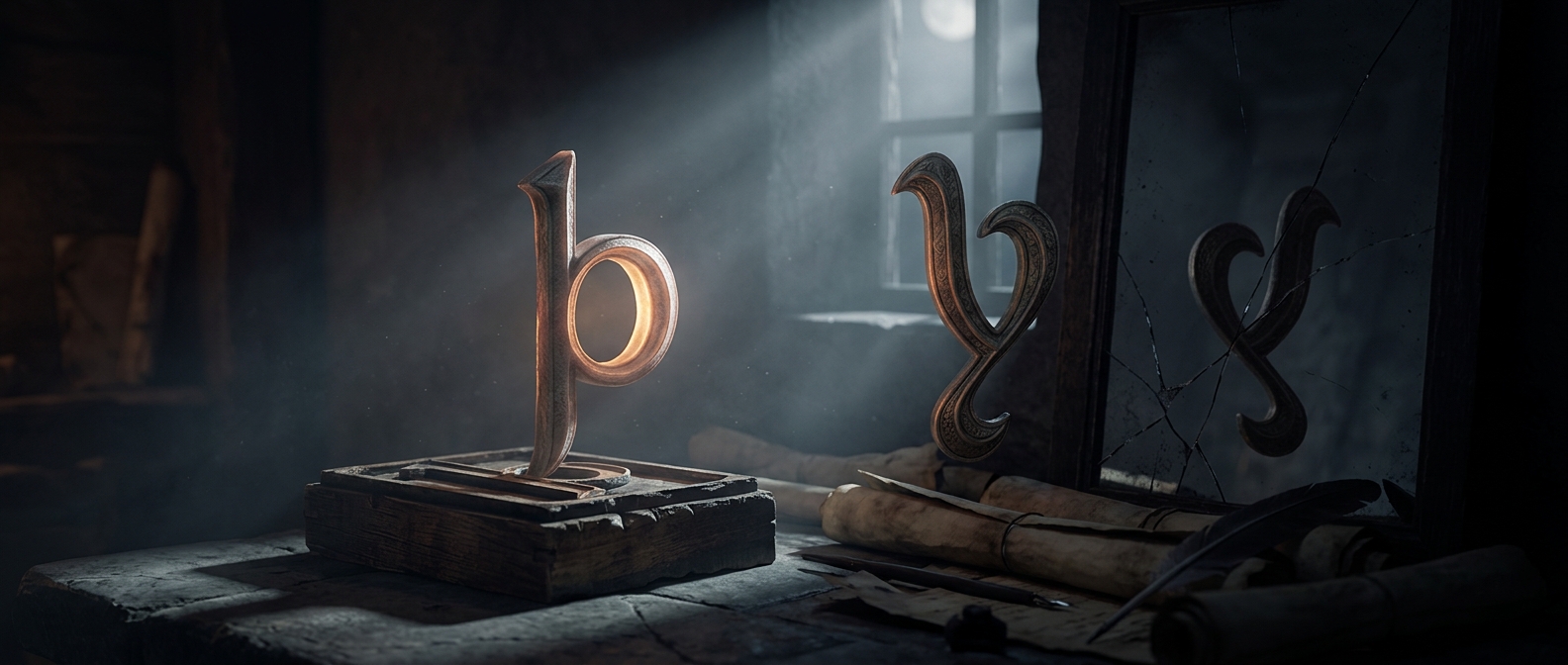
In medieval and early modern English, þ, called thorn, represented the “th” sound. Its shape could look like a y, especially in the kinds of handwriting and type used in older books. When printers did not have a thorn character in their type, they often set a y-shaped substitute instead. In words such as the, that mark stood for thorn—not for the modern letter y.
How “The Olde” Became “Ye Olde”
As printing spread, thorn fell out of ordinary use and th became the standard spelling. But old-looking spellings and letterforms lingered in printed material. Readers who encountered a y-shaped thorn could mistake it for a y and read þe as ye.
That is the source of the familiar “Ye Olde” sign: in the phrase, ye was intended to be read as the. It was not a special medieval pronunciation of the beginning with a y sound. The spelling is a visual fossil of an older letter and a practical limitation of printing.
A Printing Quirk Turned into a Medieval Style
The confusion works because the substitute preserved the look of the old character while obscuring its sound. Modern shop signs use “Ye Olde” to suggest age, but the apparent y is the giveaway: it points back to a time when a printer’s available type could shape how a word appeared on the page.