History
Discover facts about history. Small discoveries that change the way you see familiar things.
History
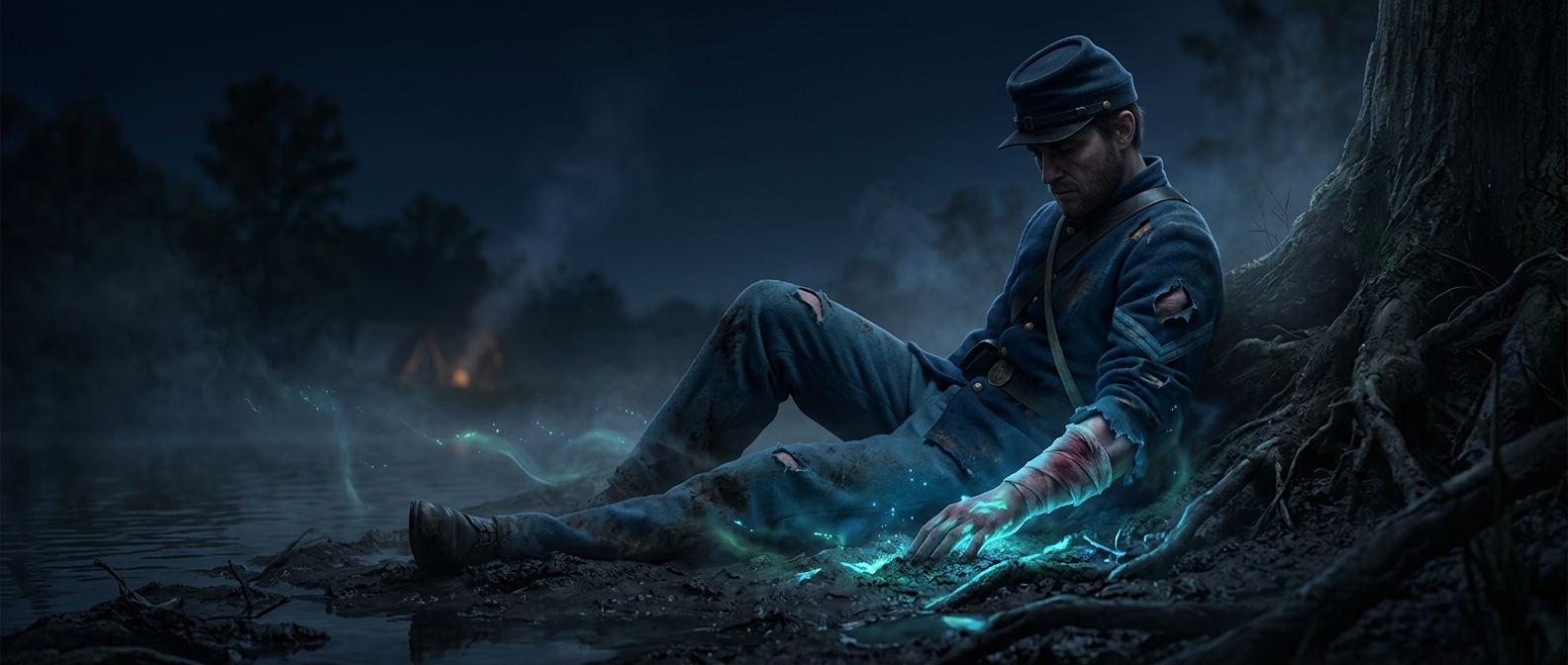
A glowing bacterium inspired an explanation for Civil War wounds
The story of “angel’s glow” at Shiloh prompted a hypothesis involving Photorhabdus luminescens, a light-producing bacterium. It also produces substances that…
Discover more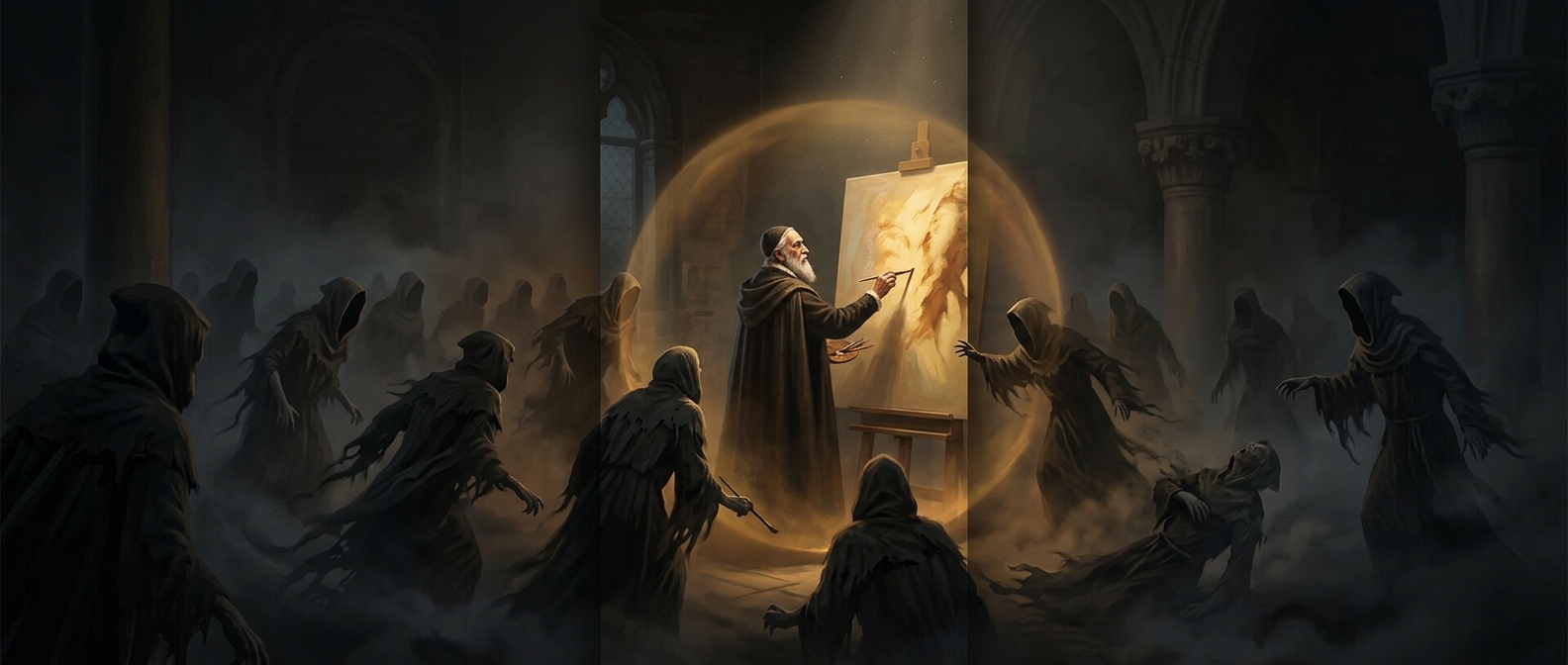
The painter who outlived repeated plagues
Titian lived to 96, outlasting repeated plague outbreaks before eventually dying in one himself.
Discover more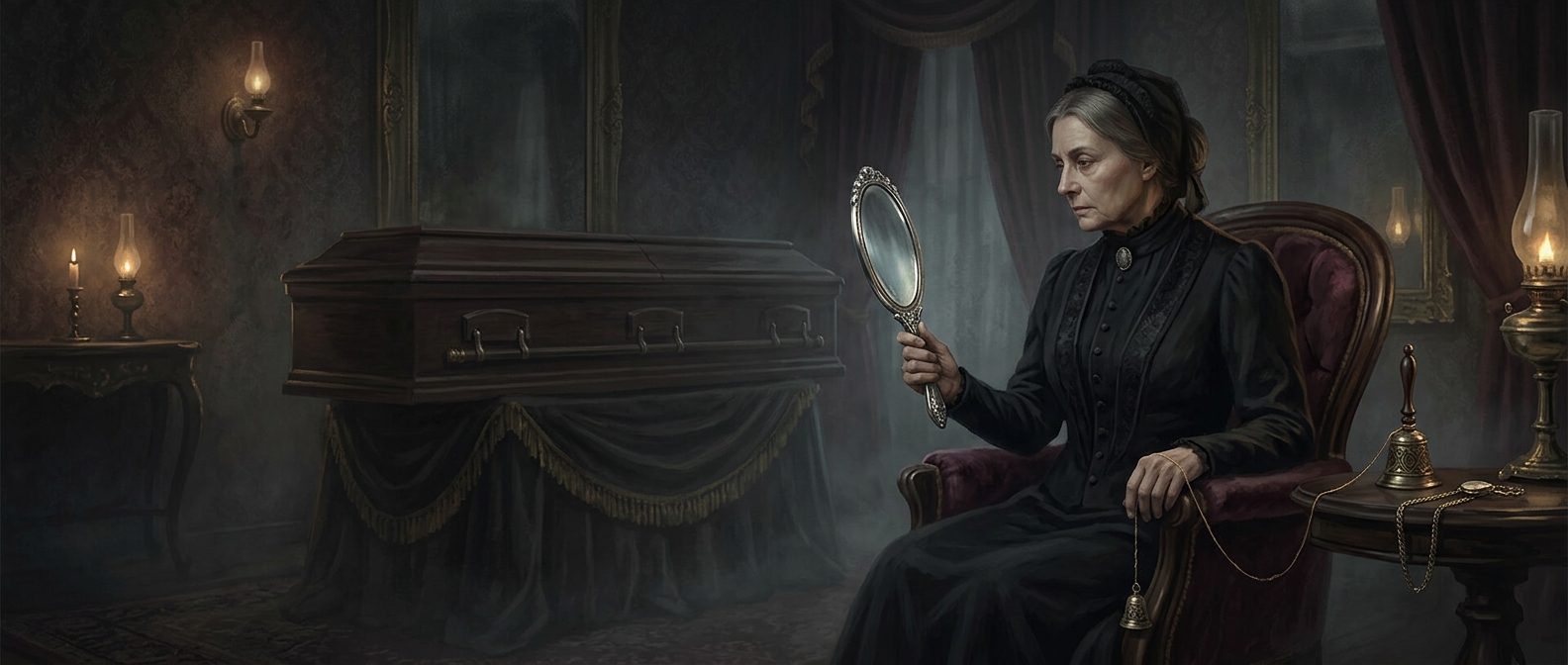
A funeral wake was named for the people staying awake
The word comes from keeping watch: relatives and friends held a vigil over the body before burial. The name describes the living person's night, not a promise…
Discover more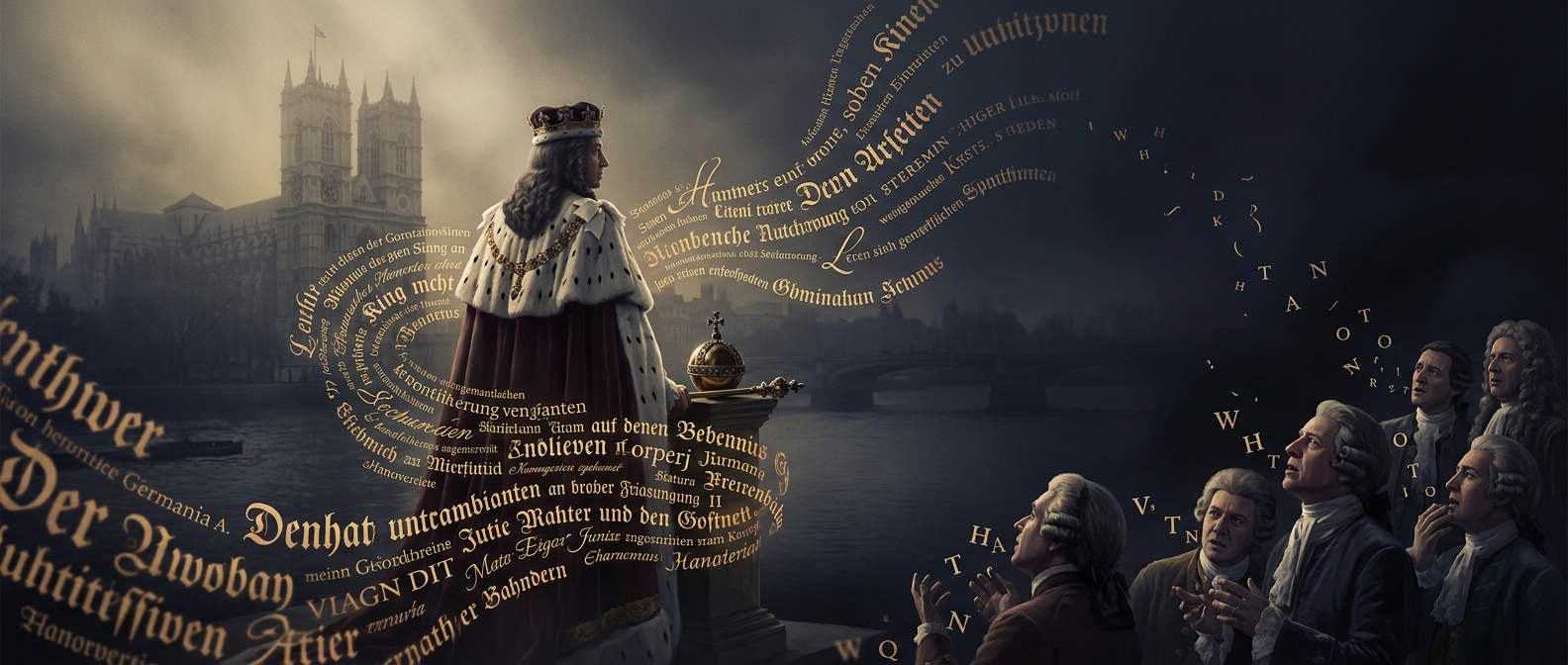
The king who barely spoke English
George I spoke German and French, and his difficulty communicating in English helped ministers take on more of the government's daily work. A language barrier…
Discover more
First radio broadcasts transmitted simple Morse code
Early wireless transmitters couldn't carry speech, so operators sent electrical pulses as dots and dashes over long distances.
Discover more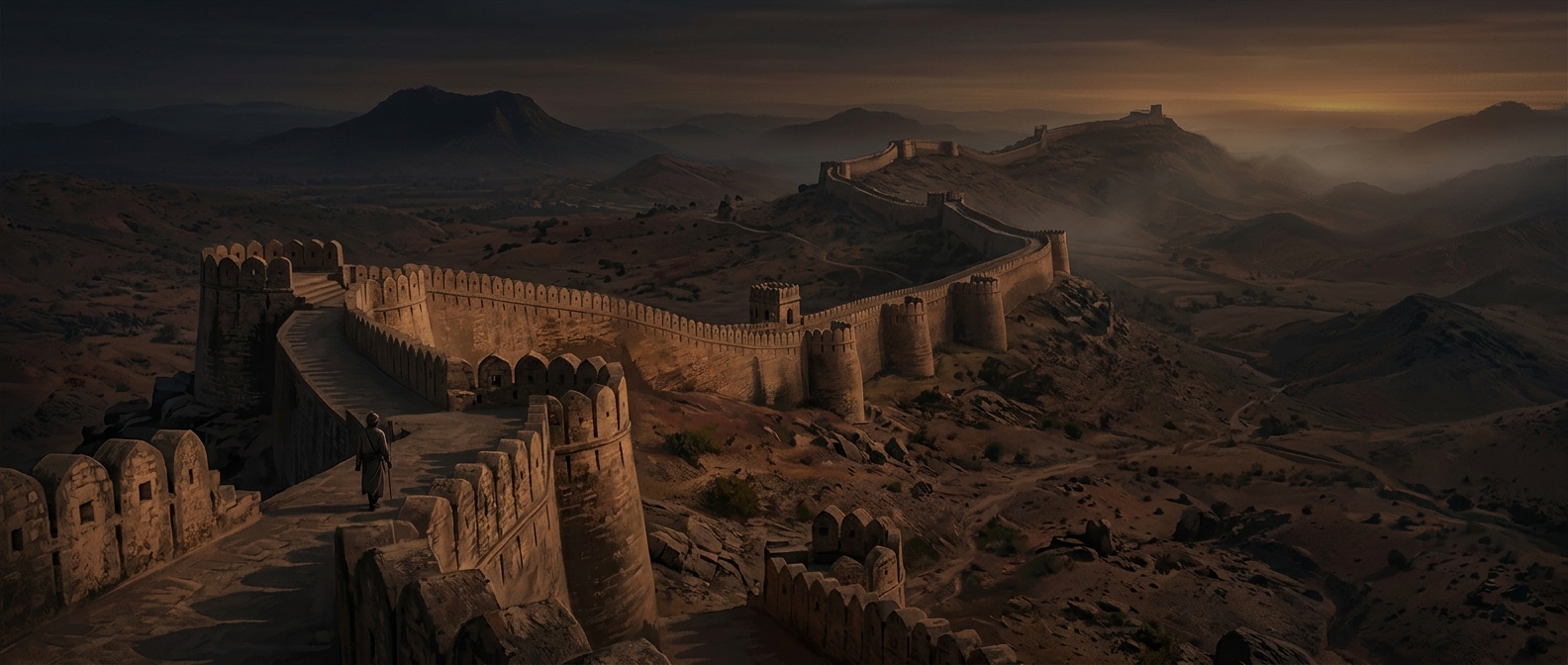
India's Kumbhalgarh has a 20-mile fortress wall
The stone wall snakes over high mountain peaks, with a top wide enough for multiple horses to ride side by side.
Discover more STACKY FOR IPHONE
A bigger world.
One discovery
at a time.
Keep discovering with Stacky. Interesting facts in an app that is always within reach.
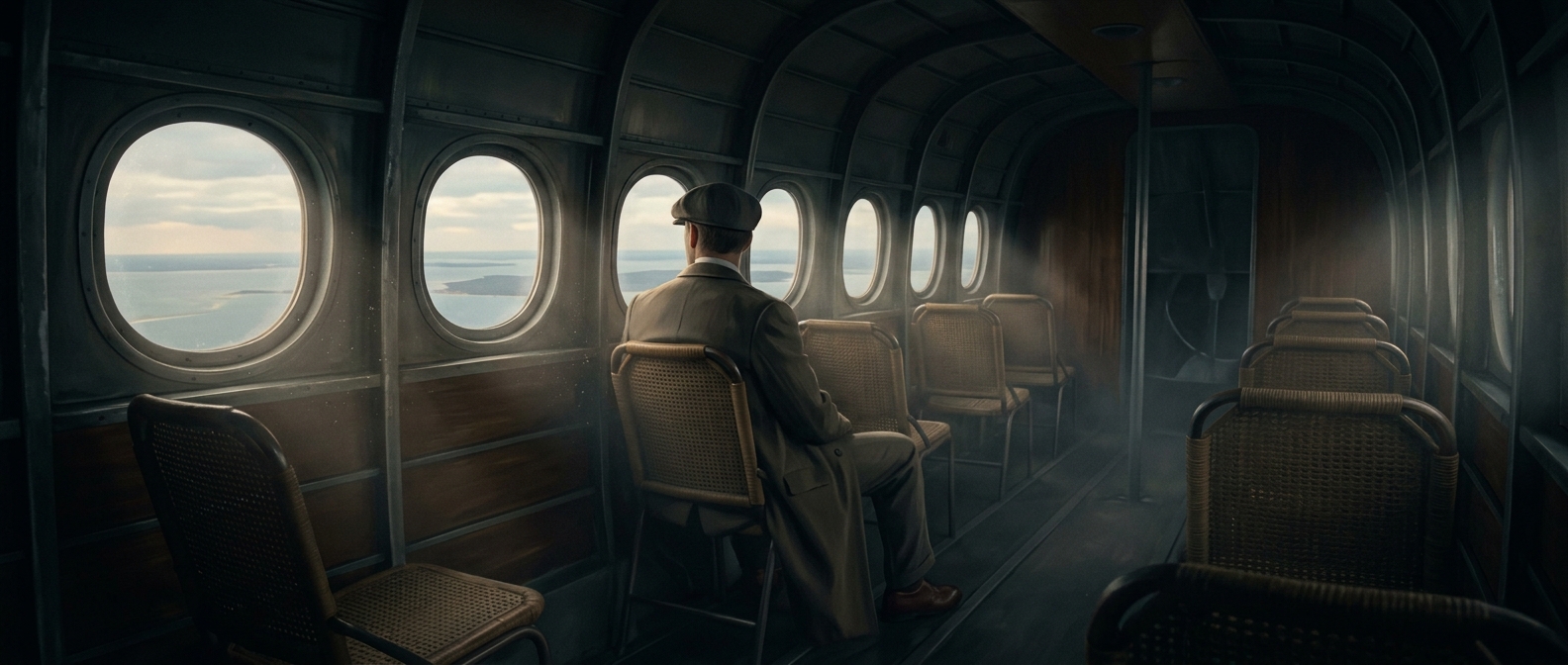
A pioneering airline auctioned its only passenger seat
On January 1, 1914, Abram Pheil paid $400 for the inaugural St. Petersburg–Tampa scheduled flight. Tony Jannus carried him across Tampa Bay in 23 minutes. The…
Discover more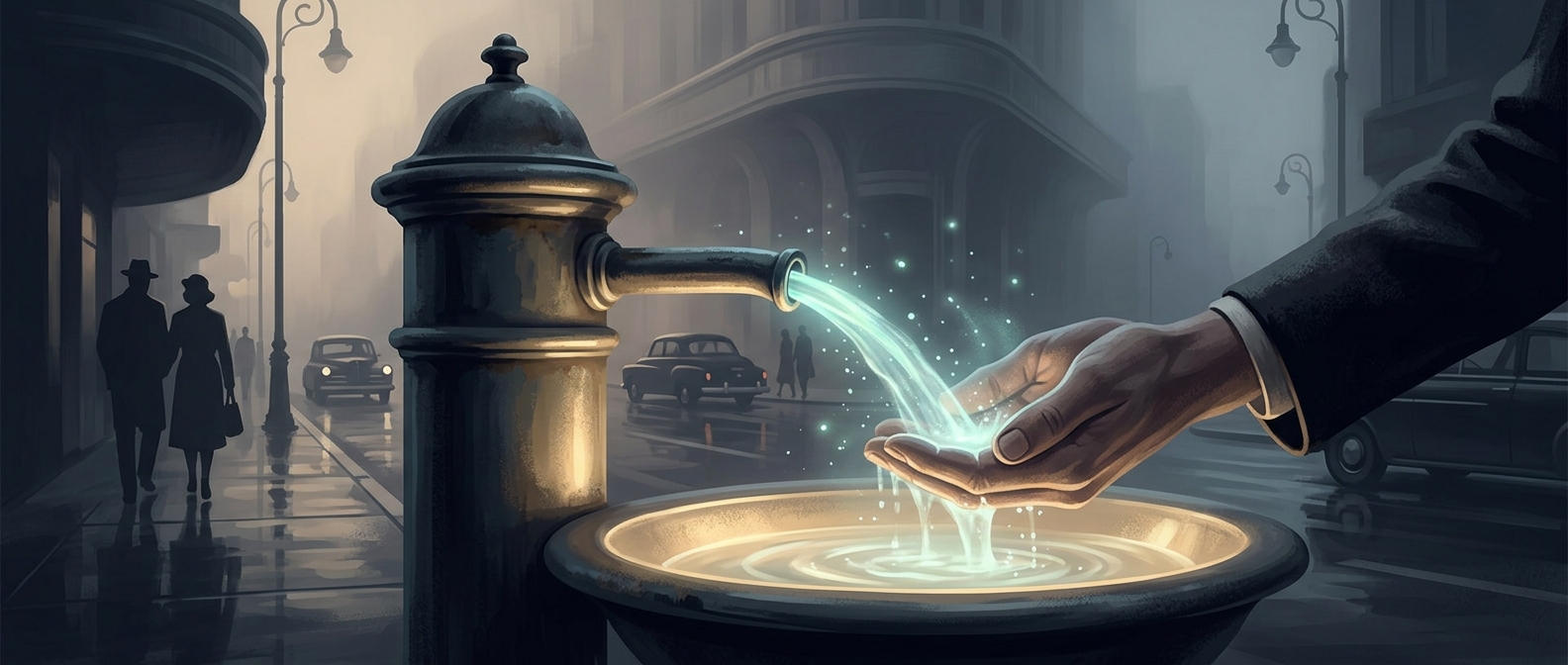
Mineral additives in tap water drastically reduced cavities
After towns with naturally fluoridated water showed fewer cavities, officials began adding fluoride to public supplies. Instead of asking every family to…
Discover more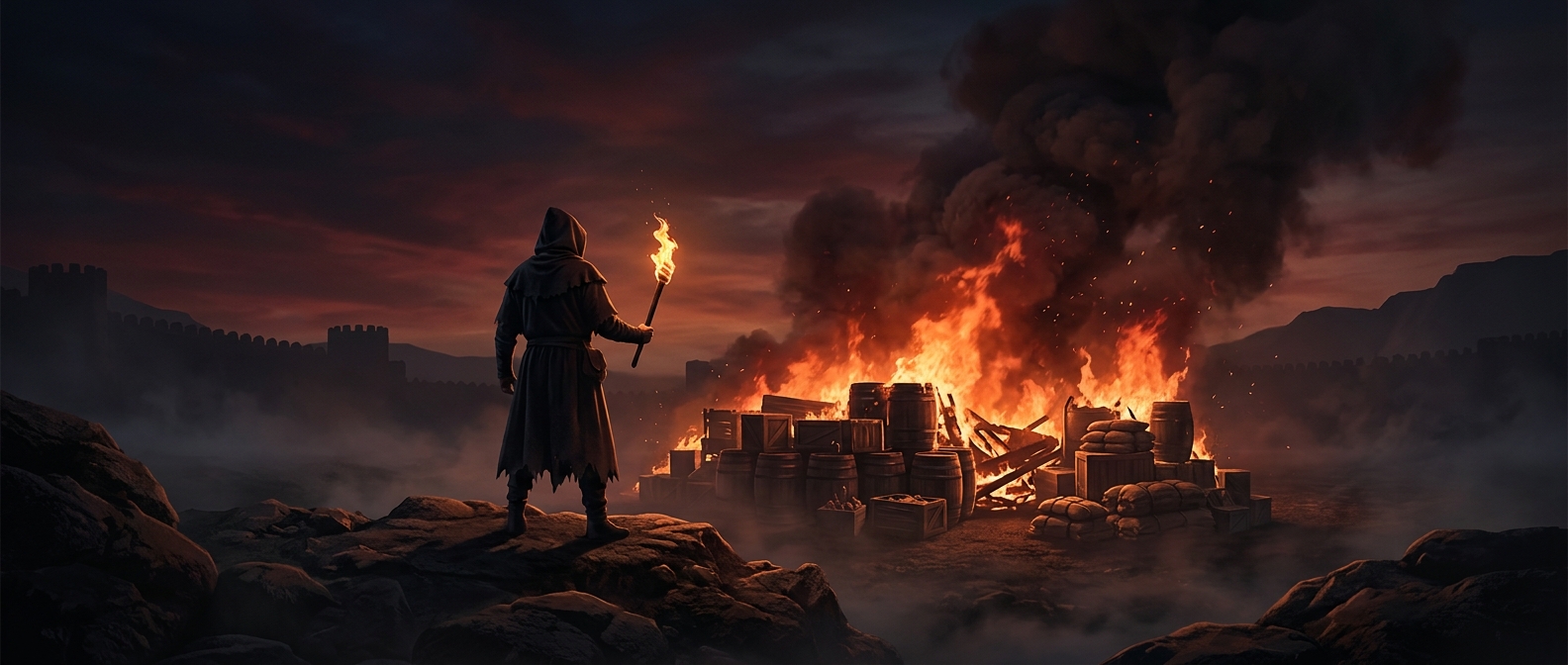
Scorched earth tactics meant intentionally burning supplies
An army forced to retreat could still make the invader’s advance harder: burn the crops, foul the wells, and destroy bridges. It traded supplies it could no…
Discover more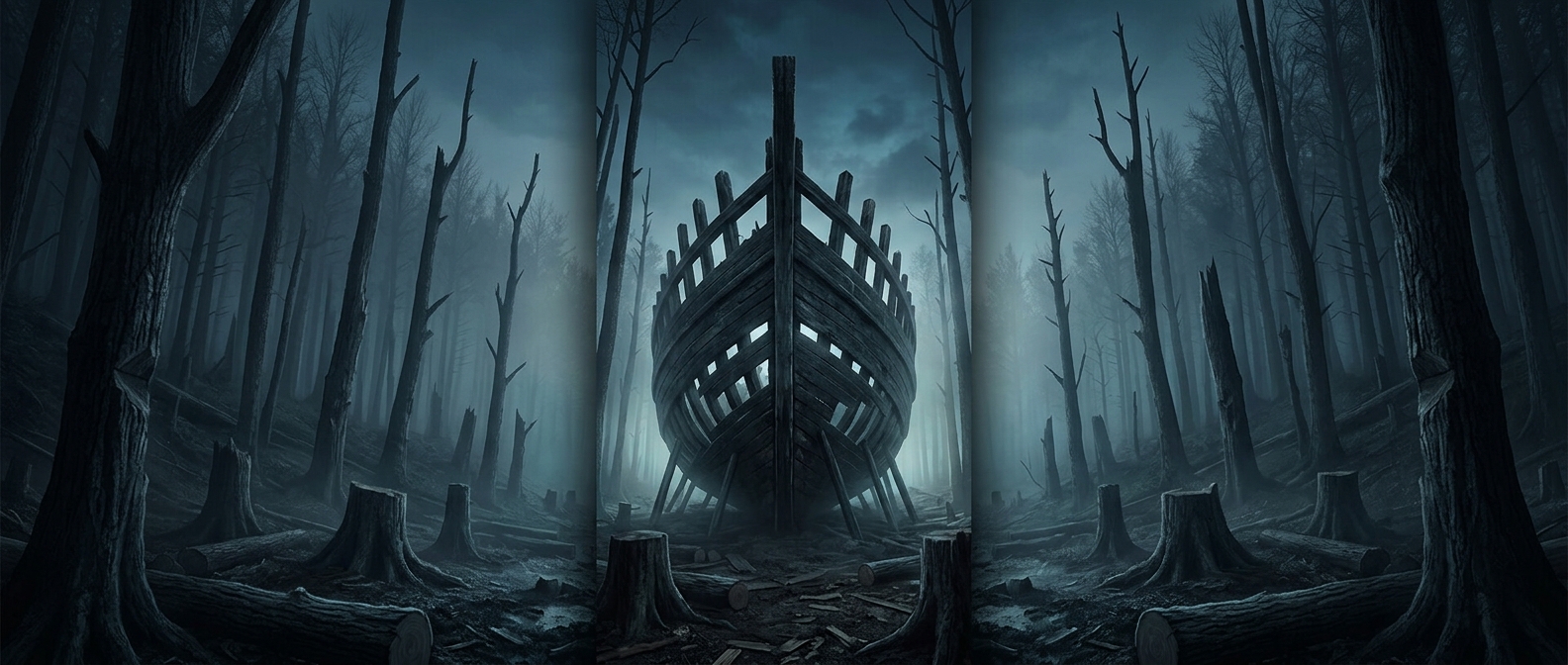
How shipbuilding stripped Europe's forests
Merchant fleets needed enormous amounts of timber, so states cleared ancient forests to build ships. Some of that centuries-old wood ended up in vessels that…
Discover more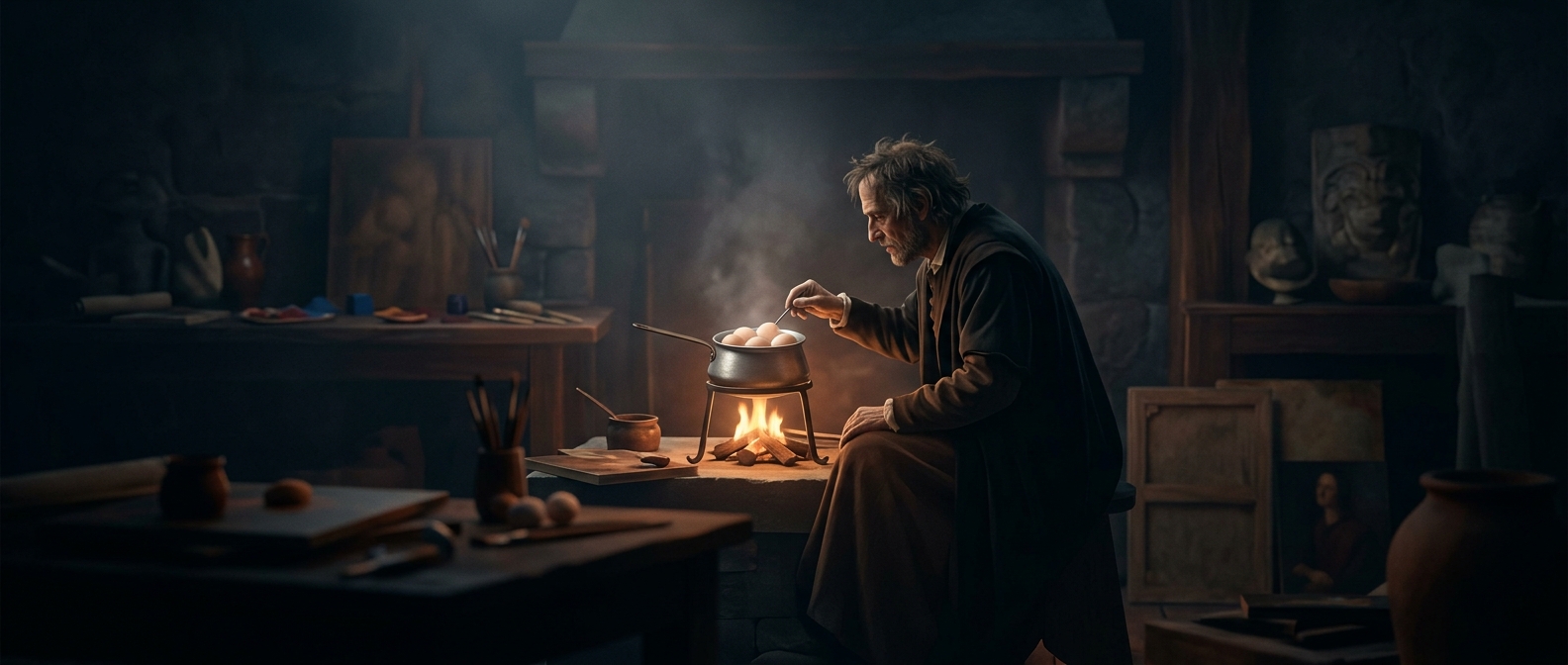
Piero di Cosimo reportedly batch-cooked eggs with his painting work
Vasari described the painter boiling about fifty eggs while heating his glue, saving the trouble of lighting a separate fire. He then kept them in a basket to…
Discover more
Tabla players memorize complex rhythmic cycles
Players recite spoken syllables to memorize the rhythmic sequences, then use those patterns to guide their fingers.
Discover more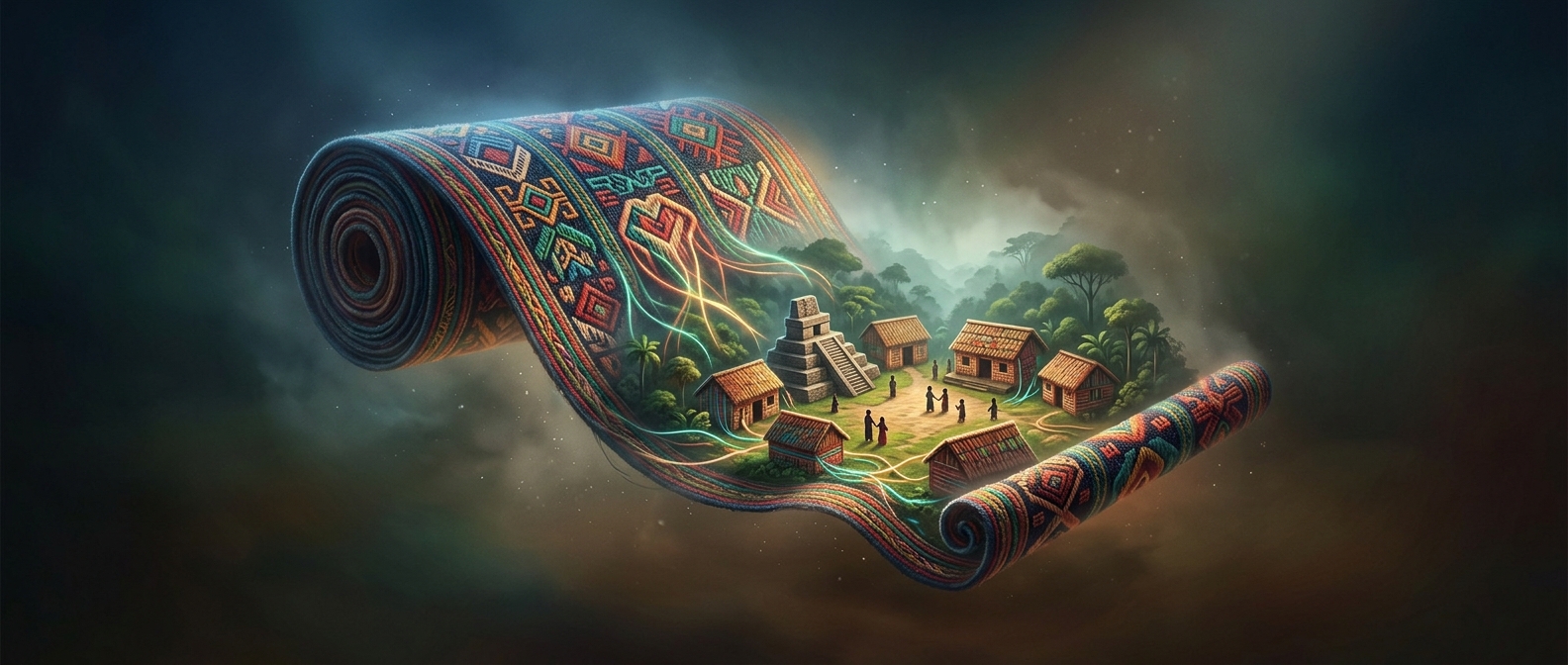
Mayan traditional weaving encodes village identities
A huipil’s patterns, colors, and motifs can signal the wearer’s town. The clothing carries a small piece of local identity wherever its wearer goes.
Discover more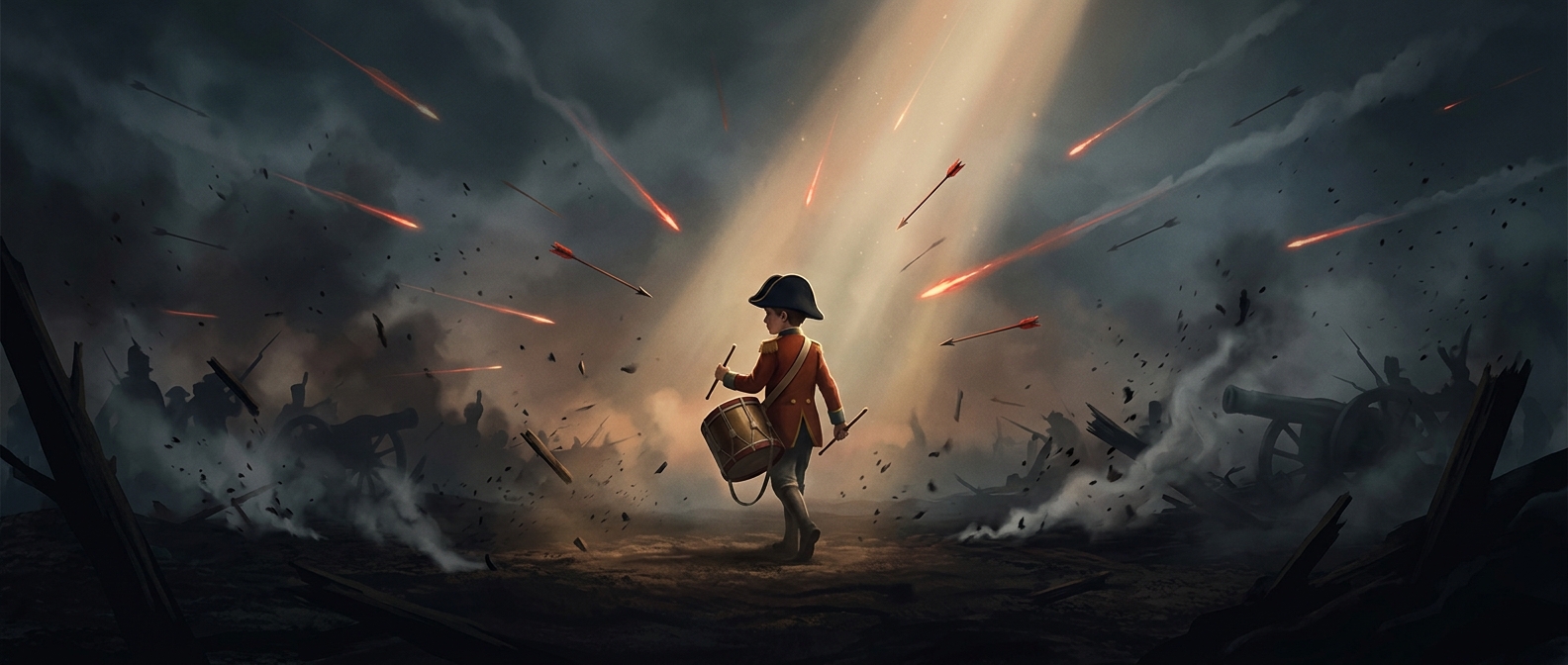
Why armies targeted battlefield drummers
Without radios, armies relied on drummers to signal orders to advance, retreat, or fire. Enemies targeted them to disrupt communication across the opposing…
Discover more
Treaty of Versailles forced one nation to take all war guilt
Article 231 established Germany's liability for Allied reparations, but its language read in Germany as a sweeping assignment of blame. That gap between legal…
Discover more
Why the Flying Dutchman must sail forever
In the legend, the captain swore he would round a cape even through an apocalyptic storm. The curse made that boast permanent: his ship would sail stormy seas…
Discover more
Why Victorians hung bread from the ceiling
Families hung a Good Friday loaf from the ceiling, believing it would stay mold-free all year and protect the house from fire. The household charm could also…
Discover more
Frozen desserts existed long before anyone owned a freezer
Ice and snow could be collected and stored, then used to chill mixtures in a separate container. Later recipes combined ice with salt to make the freezing…
Discover more
Watermelon's closest wild relative has white flesh
Genetic research points to Sudan's Kordofan melon, which has pale, non-bitter pulp, as the closest known relative of the cultivated fruit. Sweetness and a…
Discover more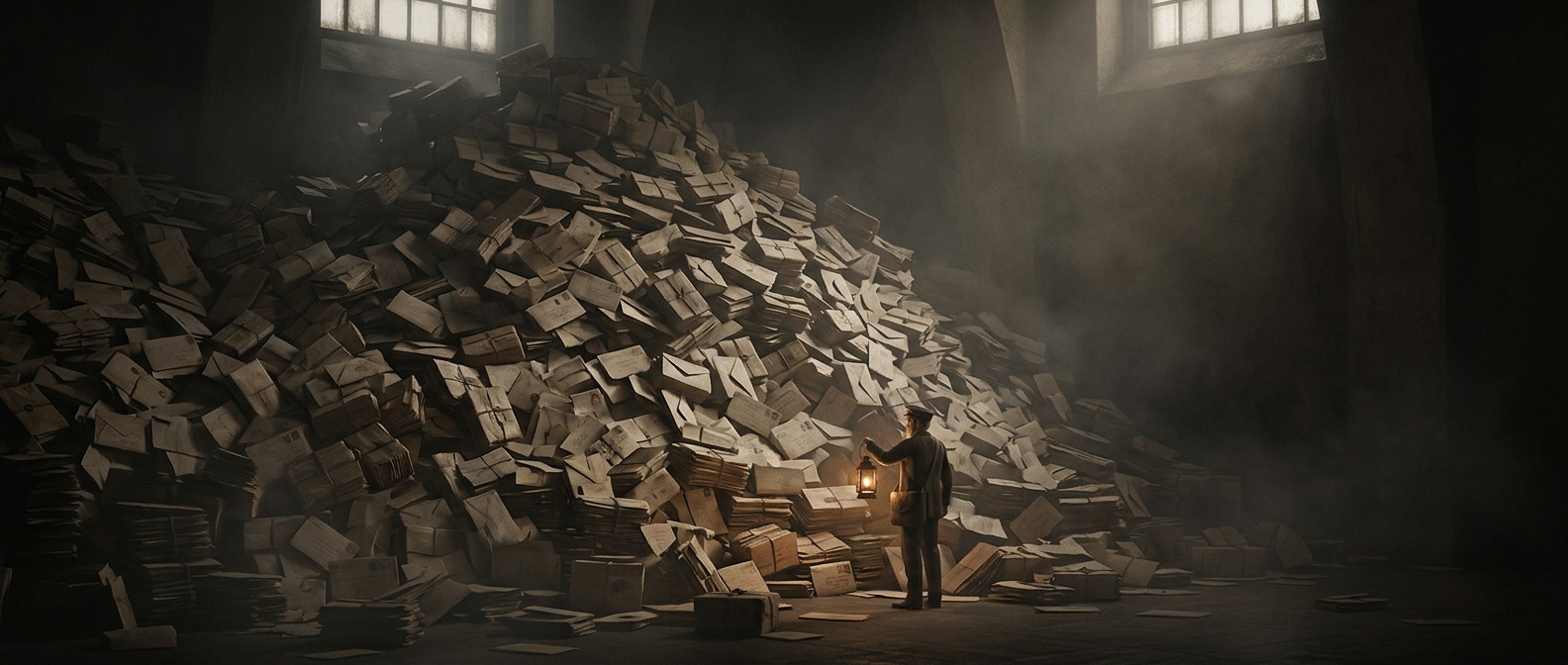
Dead letter offices piled up thousands of undelivered notes
When an address couldn’t be deciphered, staff tried to work it out; the letters that still couldn’t be delivered piled up by the millions. Among them were…
Discover more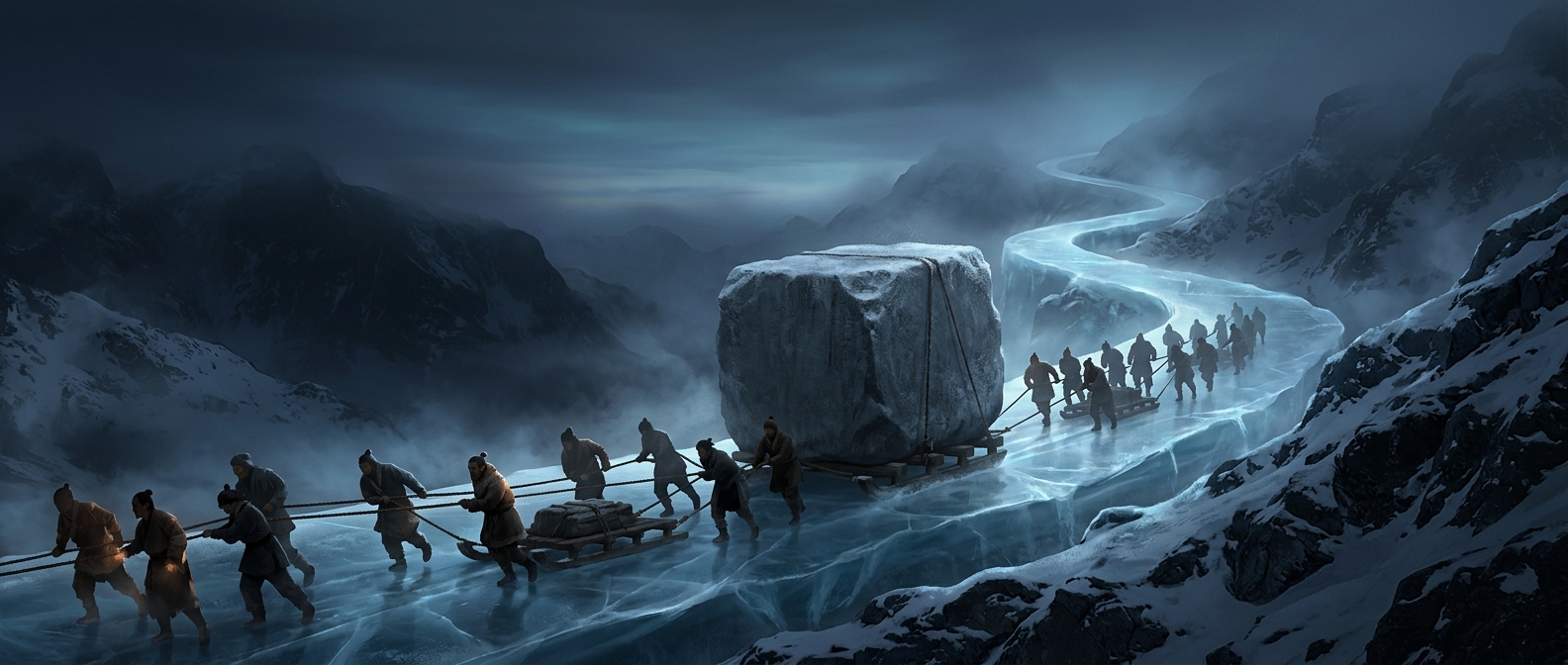
Builders moved a giant stone to the Forbidden City on an ice road
A historical account describes hauling a roughly 123-ton stone about 70 kilometers in winter. Researchers calculated that water spread over the ice could…
Discover more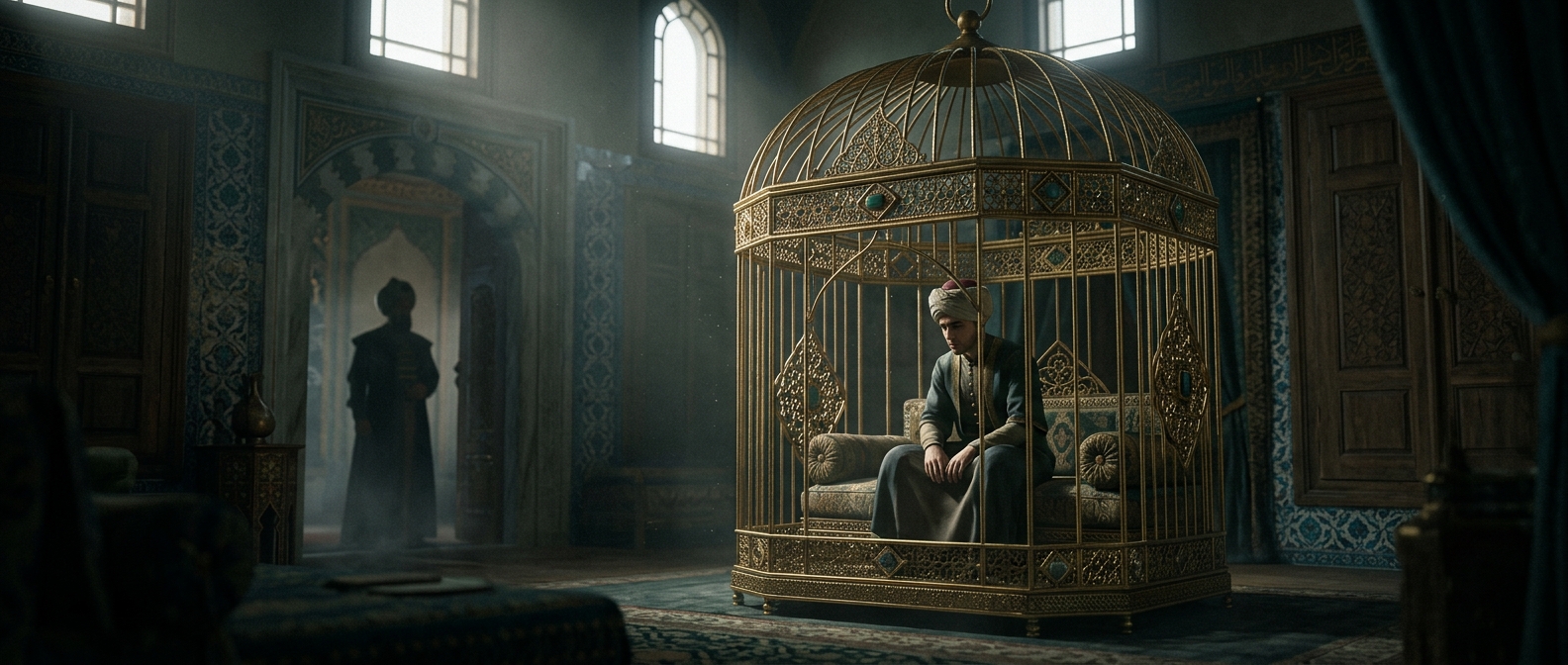
Why Ottoman princes lived in luxurious cages
Ottoman princes confined in the Kafes could be kept from building rival power bases outside the palace. Compared with killing potential claimants, confinement…
Discover more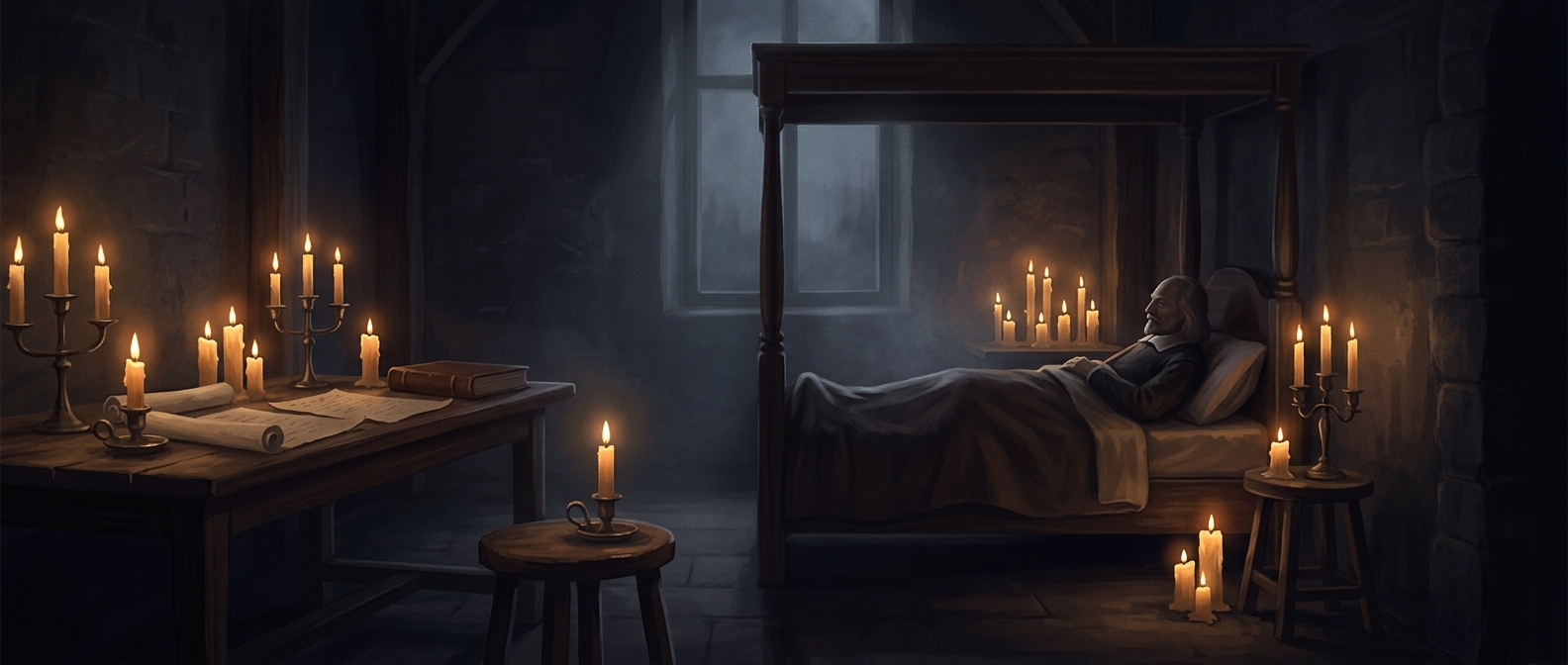
Thomas Hobbes was terrified of the dark
He had servants keep candles burning beside his bed until sunrise rather than sleep in a pitch-black room.
Discover more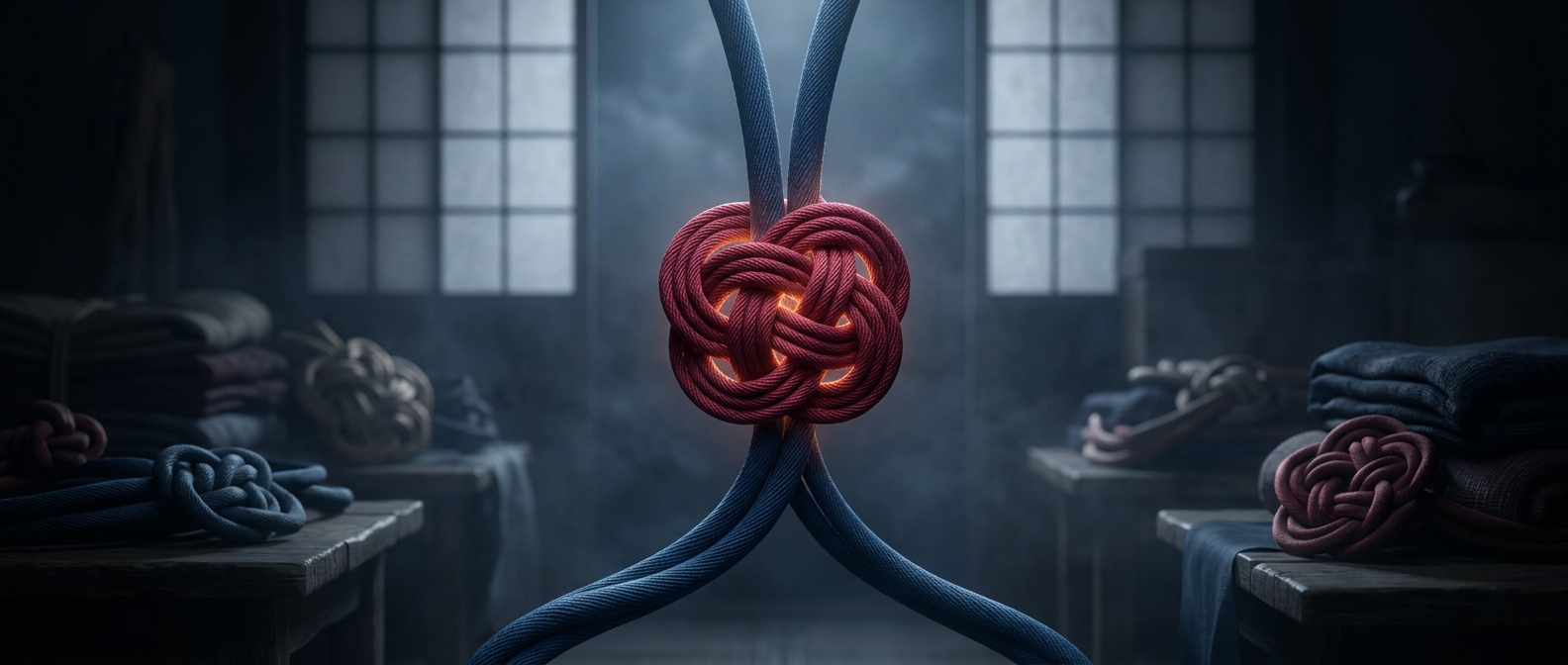
These gift knots can say what words can't
A mizuhiki knot does more than keep a gift closed: the style can signal how the giver feels about the recipient. The wrapping is part of the message.
Discover more