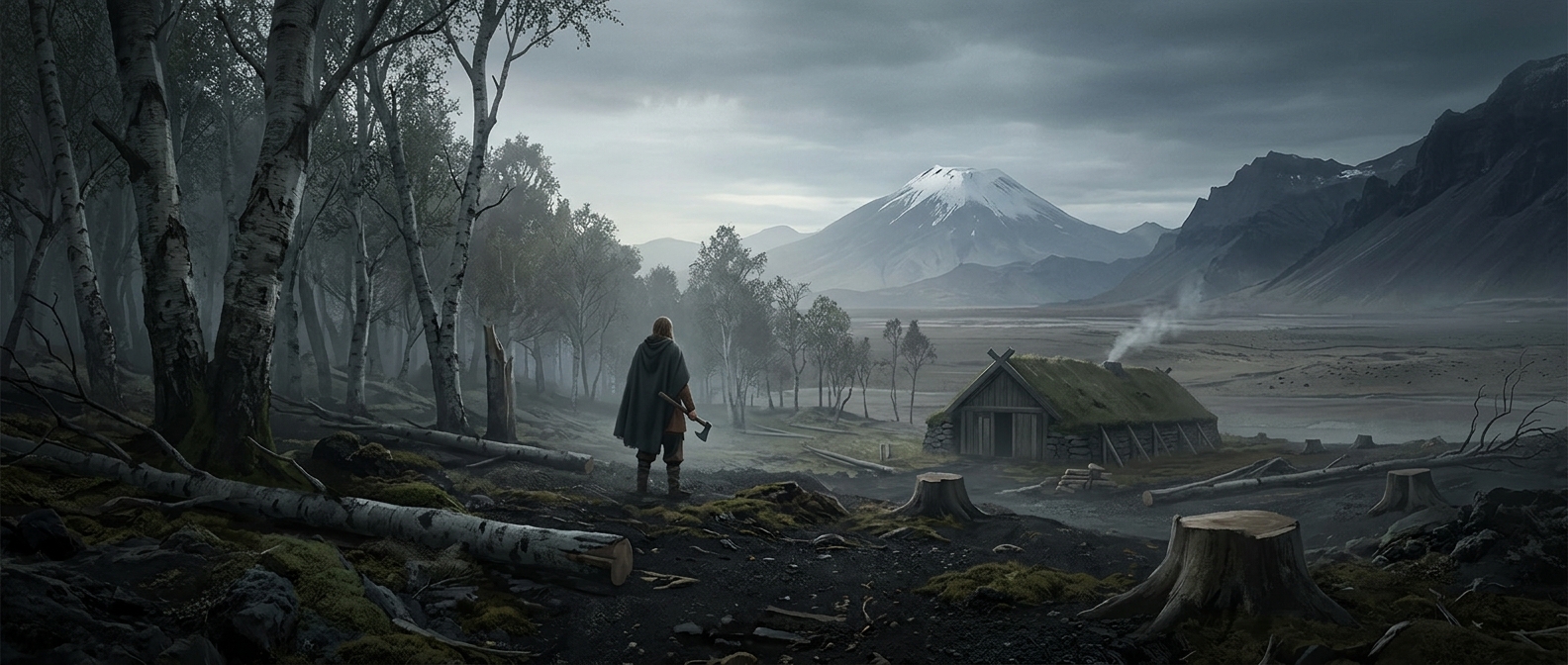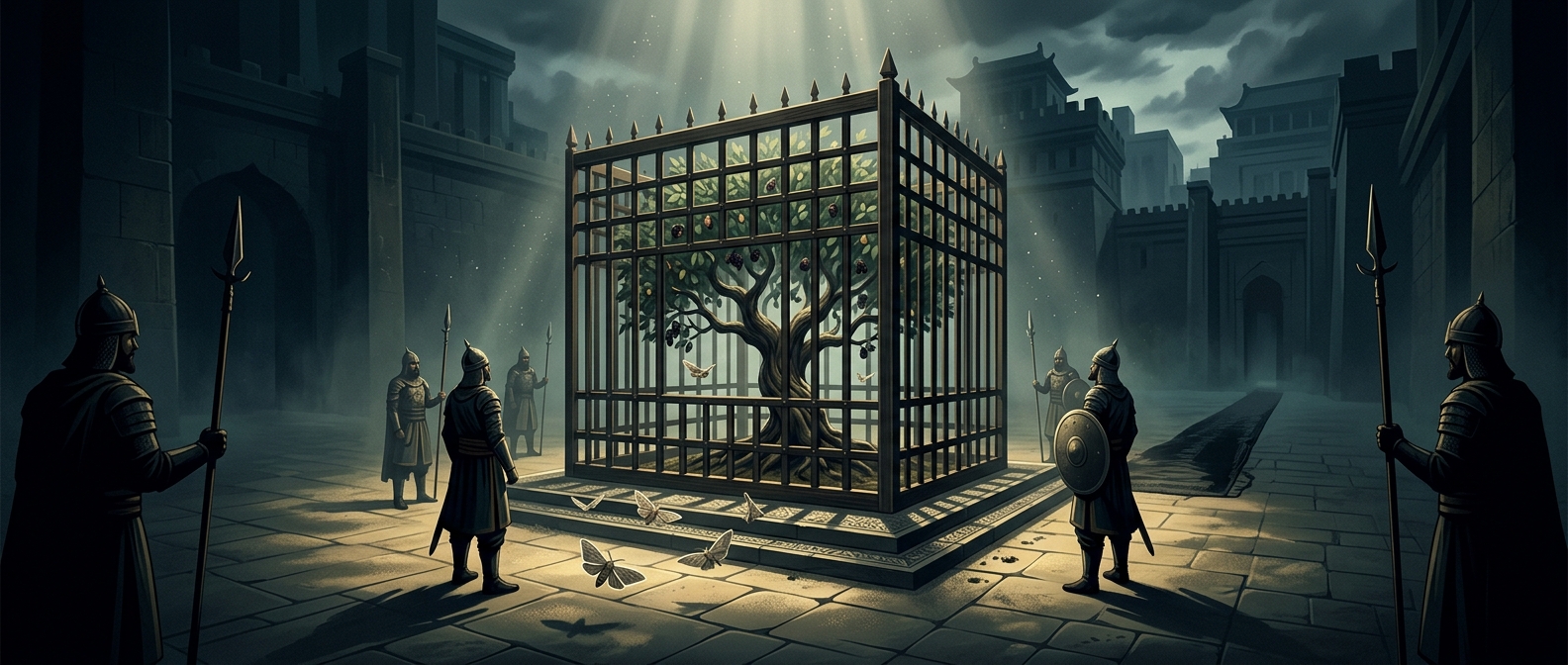
A wooden ship began as a landscape problem
A large sailing vessel was not made from a pile of interchangeable boards. Its keel—the long backbone running along the bottom—needed stout, durable timber; its curved frames needed trunks or branches with useful bends; and its masts called for long, straight pieces. Builders also needed planks, decks, and replacement parts. A fleet therefore drew on many trees, often of different shapes and sizes.
That demand tied shipbuilding to forests that could supply suitable wood and to waterways that could carry heavy logs. Timber was expensive to move overland, so a forest’s value depended not just on its trees but on its access to rivers, ports, and shipyards.
Why states kept drawing on the woods
Merchant ships carried goods and helped sustain trade, while warships protected commerce and competed for control of the sea. States had reason to encourage shipbuilding and secure timber supplies, but trees took decades or longer to grow to useful dimensions. Cutting could happen much faster than replacement. As shipbuilding expanded, pressure fell especially on accessible stands of mature trees—the very trees that could provide large structural pieces.
The result was not simply “more ships, fewer trees.” Forests could be managed, replanted, or used for other purposes, and timber supplies varied by region. But where demand outran regrowth, shipbuilding changed which woods remained available and how far builders had to look for them.
A long-grown tree, a comparatively short-lived vessel
A ship concentrated years of growth into a structure built to work hard in salt water, storms, and constant motion. It might be repaired and kept in service, but it could also be wrecked, captured, or left to decay. Once its useful life ended, the tree’s accumulated growth could not simply be recovered.
That mismatch is the striking cost behind the fleets: forests grew on a timescale that ships could consume in a working lifetime. A vessel that rotted in a harbor or sank at sea carried with it timber that had taken generations to become useful.