Why wild rubber was hard to scale
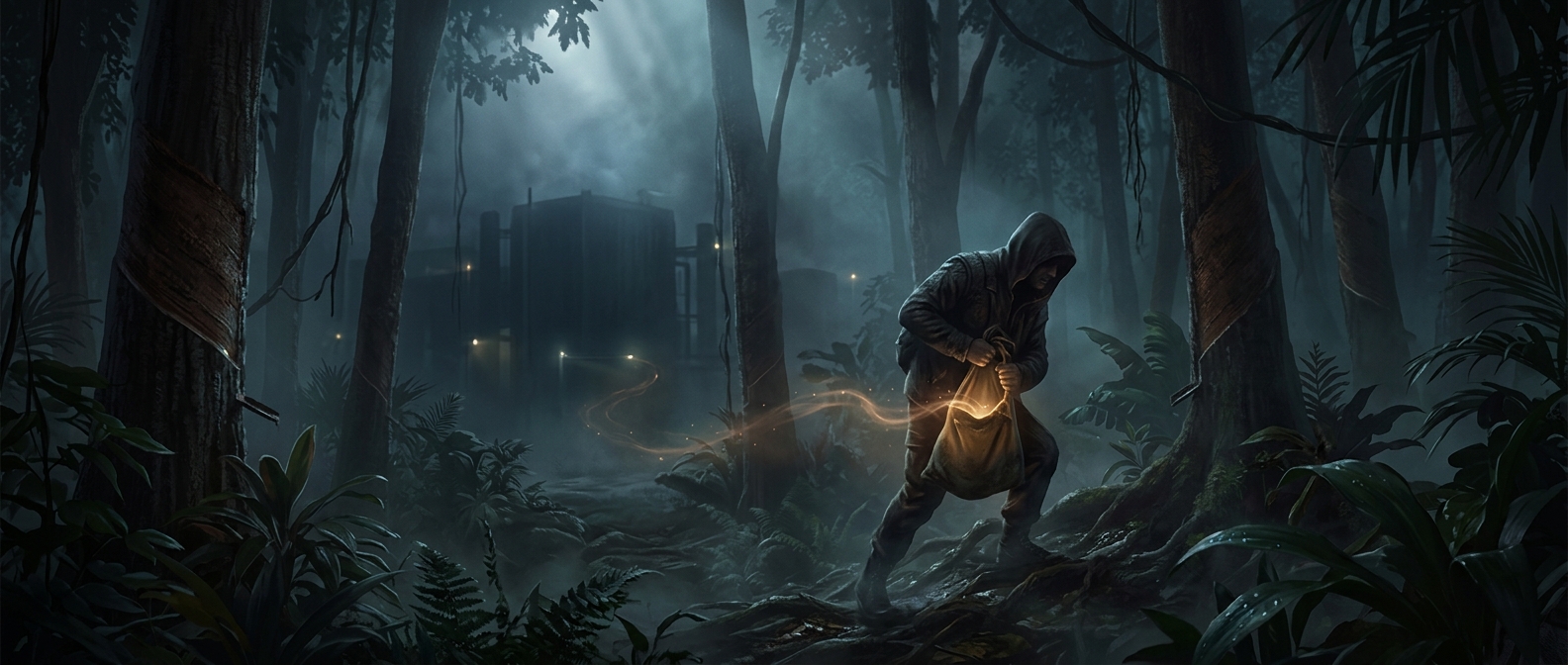
In the 19th century, Amazon rubber came from Hevea brasiliensis, a tree that grew scattered through the forest. Collectors had to travel among trees, cut their bark to gather latex—the milky sap used to make rubber—and carry it out. Brazil’s advantage rested on a resource that was abundant but difficult to organize into predictable, large-scale production.
A plantation offered a different model: trees could be planted in rows, tended in one place, and tapped on a planned schedule. But that model depended on getting viable seeds out of the Amazon and establishing the trees elsewhere.
From seeds to plantations
Henry Wickham’s 1876 shipment gave British botanists a way to grow Amazon rubber trees in the empire’s Asian territories. The seeds did not create an instant rival. They had to germinate, grow into trees, and eventually produce latex. Colonial administrations and investors could then expand cultivation over time, turning scattered forest trees into managed plantations.
That change mattered because rubber demand was rising, especially as industrial uses expanded. Asian plantations could supply buyers in a more organized and increasingly large-scale way, reducing the importance of Brazil’s wild-forest harvest.
A shift in control
The seeds moved more than a crop. They shifted the geography—and the economics—of rubber production. Brazil’s natural resource had once made it the leading source, but the plant could thrive far from its native forest when transplanted and cultivated. Once Asian production grew, control over supply increasingly belonged to plantation operators and colonial economies rather than Amazonian collectors. The decisive change was not simply where rubber trees grew, but whether they were wild and dispersed or planted as an industry.