A woodland cleared for farms
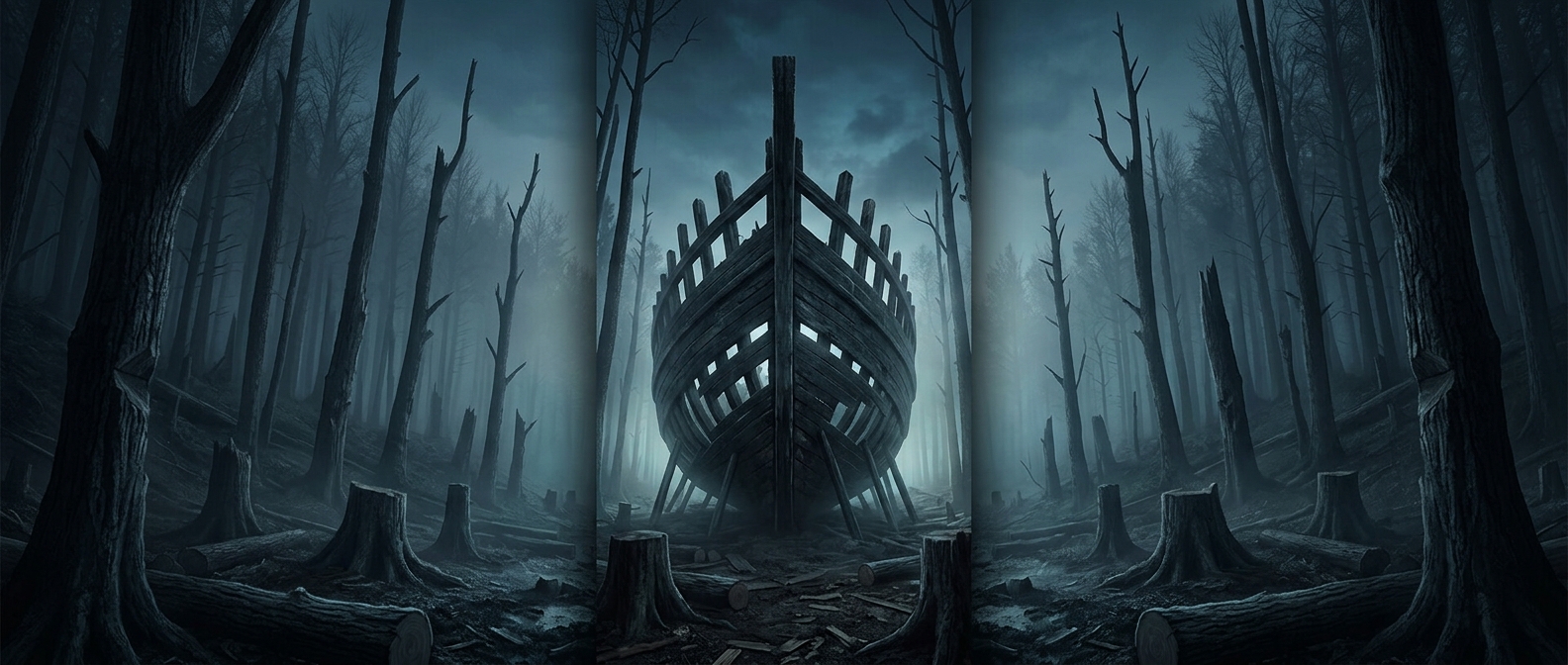
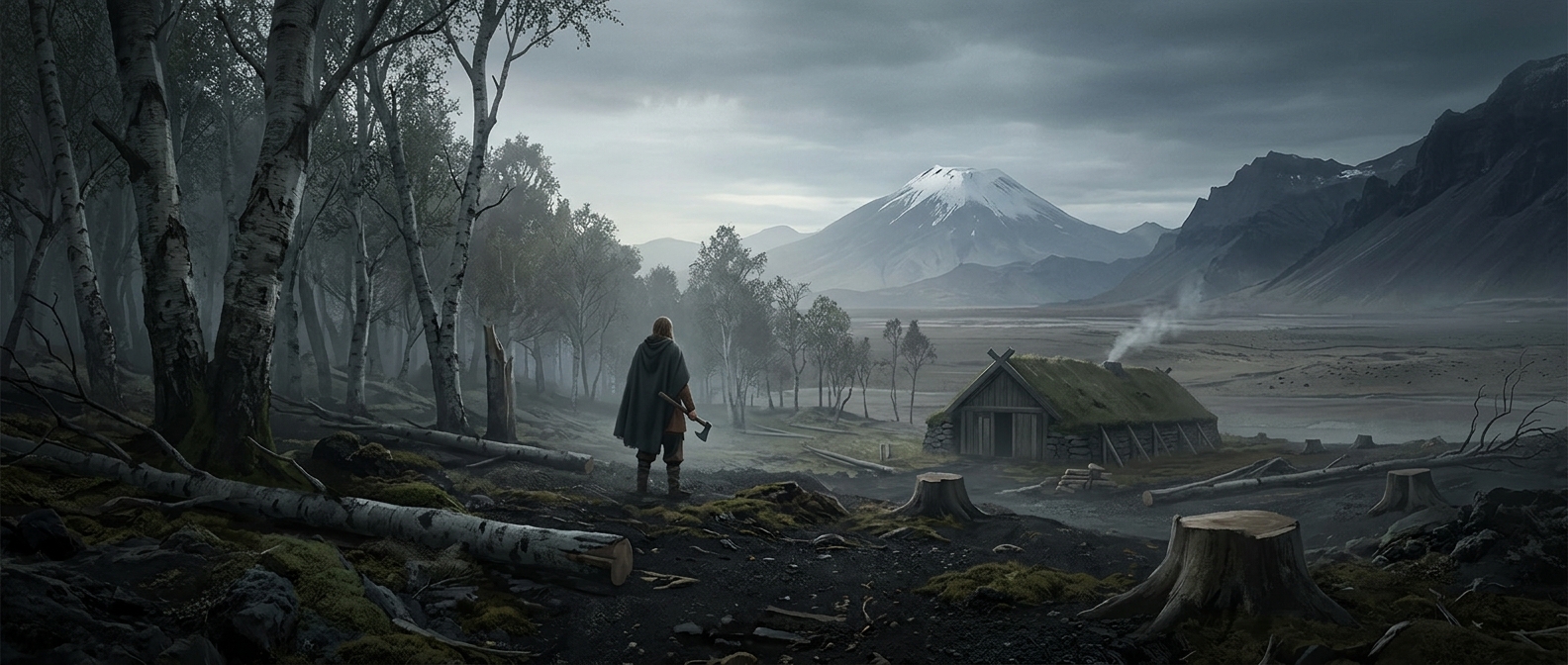
When Norse settlers arrived, much of Iceland’s lowland was covered by birch woodland. Trees supplied fuel and building material, while clearing them opened ground for crops and grazing. The immediate gains were practical: farms needed usable land, and households needed wood in a place with few other sources of fuel.
But clearing a forest changes more than the view. Birch roots help hold soil in place, and the canopy softens the force of rain and wind. Once trees were removed, exposed ground—often thin soil over volcanic terrain—could be stripped away more easily.
Why the damage could outlast the cutting
Erosion made it harder for woodland to return. Wind and runoff carried off the soil and seeds that young trees needed to take root. Meanwhile, grazing animals could eat new growth before it matured. The result was a feedback loop: fewer trees meant more exposed soil, and poorer soil made regrowth less likely.
That helps explain why clearing land for farms had consequences beyond the first generation of settlers. In vulnerable places, losing the protective cover could turn a temporary opening into a lasting change in the landscape. A patch cleared for pasture did not necessarily become woodland again when the trees were gone; the soil needed for their return might have gone with them.