How a Retreat Could Turn the Landscape Against an Invader
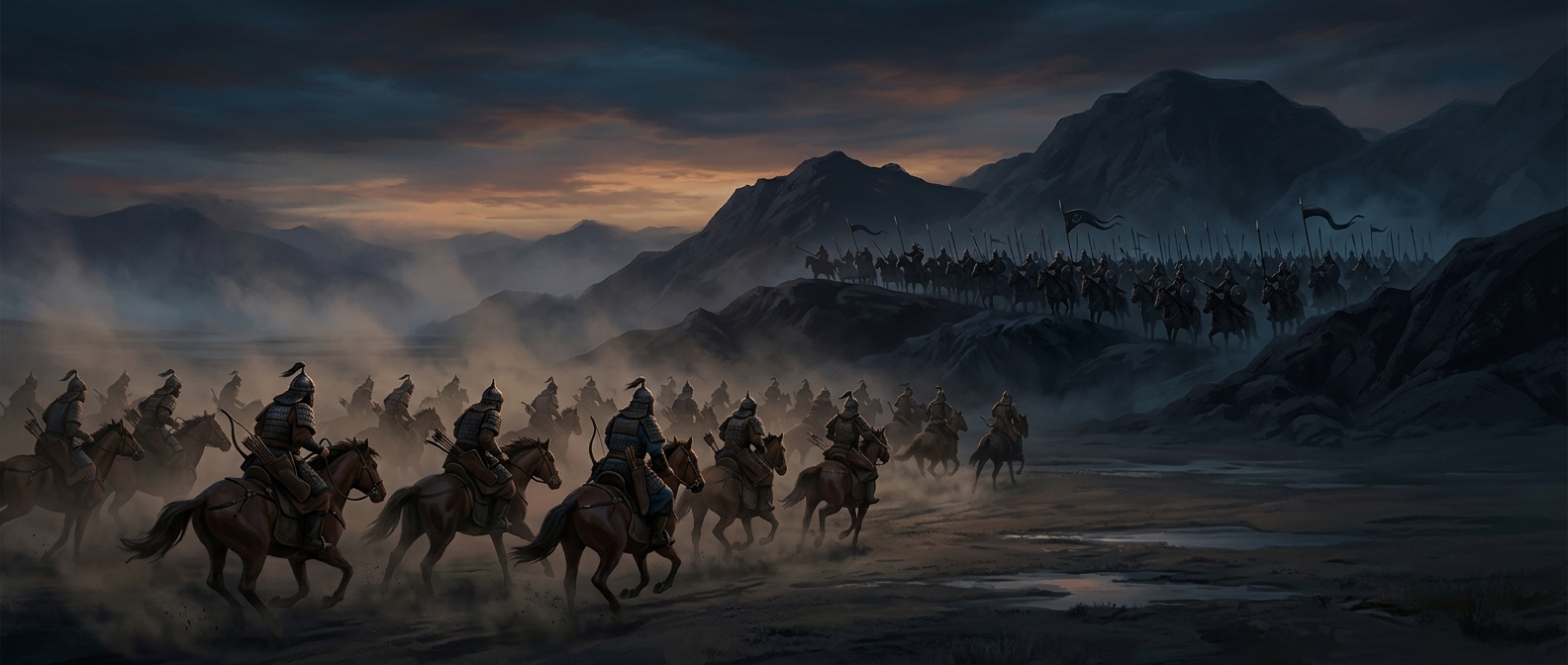
An advancing army needed more than weapons: it had to keep soldiers and animals fed, move equipment, and carry enough supplies to reach the next source of food. Roads and bridges mattered because they connected that supply chain. When an army withdrew, it could make the enemy’s route less useful by destroying provisions and infrastructure the invader might otherwise seize.
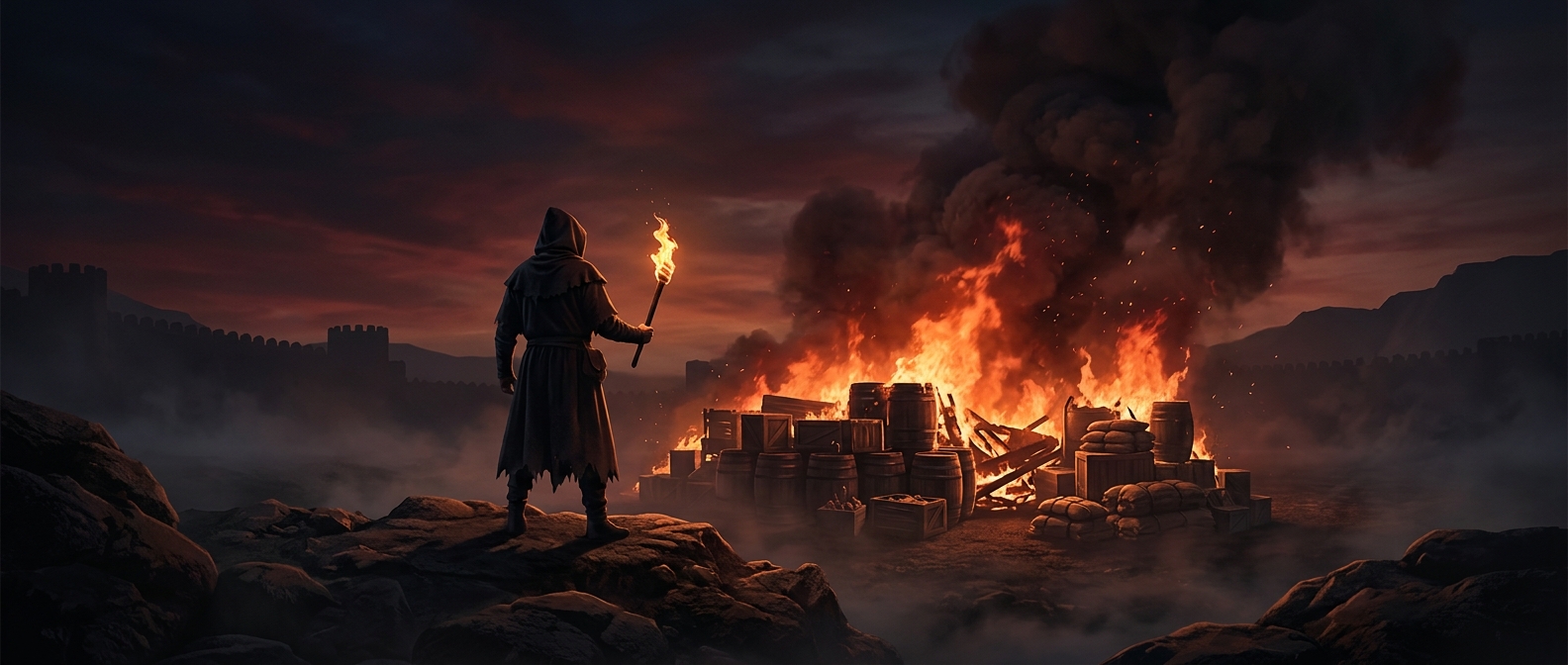
This is the logic of scorched-earth tactics: deny an opponent the resources of territory, even when doing so means destroying resources that might have been useful to the defenders later. Burning stored crops or removing food could force an advancing force to bring more provisions from farther away. That added weight and distance to its supply lines—the routes by which food, ammunition, and other necessities reached the troops.
The Cost of Making Ground Unusable
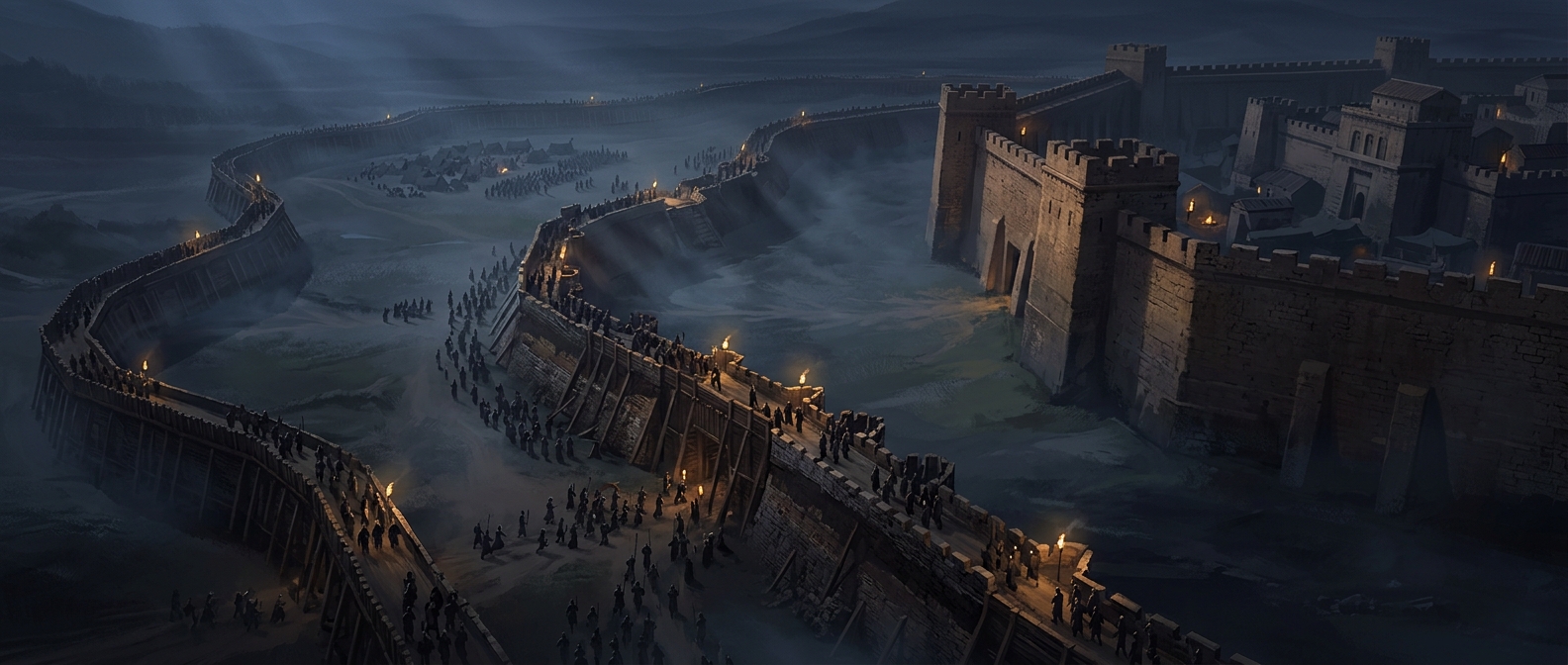
Damage to bridges and other crossings created a different kind of delay. An army might have to repair a crossing, find another route, or move supplies over more difficult terrain. Every delay consumed provisions and gave the retreating force more time to withdraw or prepare another defense. The tactic was not simply about destruction; it was about making the enemy spend time and effort for what had once been readily available.
But the same destruction fell on the people who lived there. Crops, wells, and bridges were part of local life, not just military assets. A retreating army could deny supplies to an invader while also leaving civilians without food, clean water, or ways to travel—and reducing what its own forces could reclaim later. The tradeoff was stark: a barren route could slow an enemy, but it could not feed the people left behind.