Why a retreat could be an attack in disguise
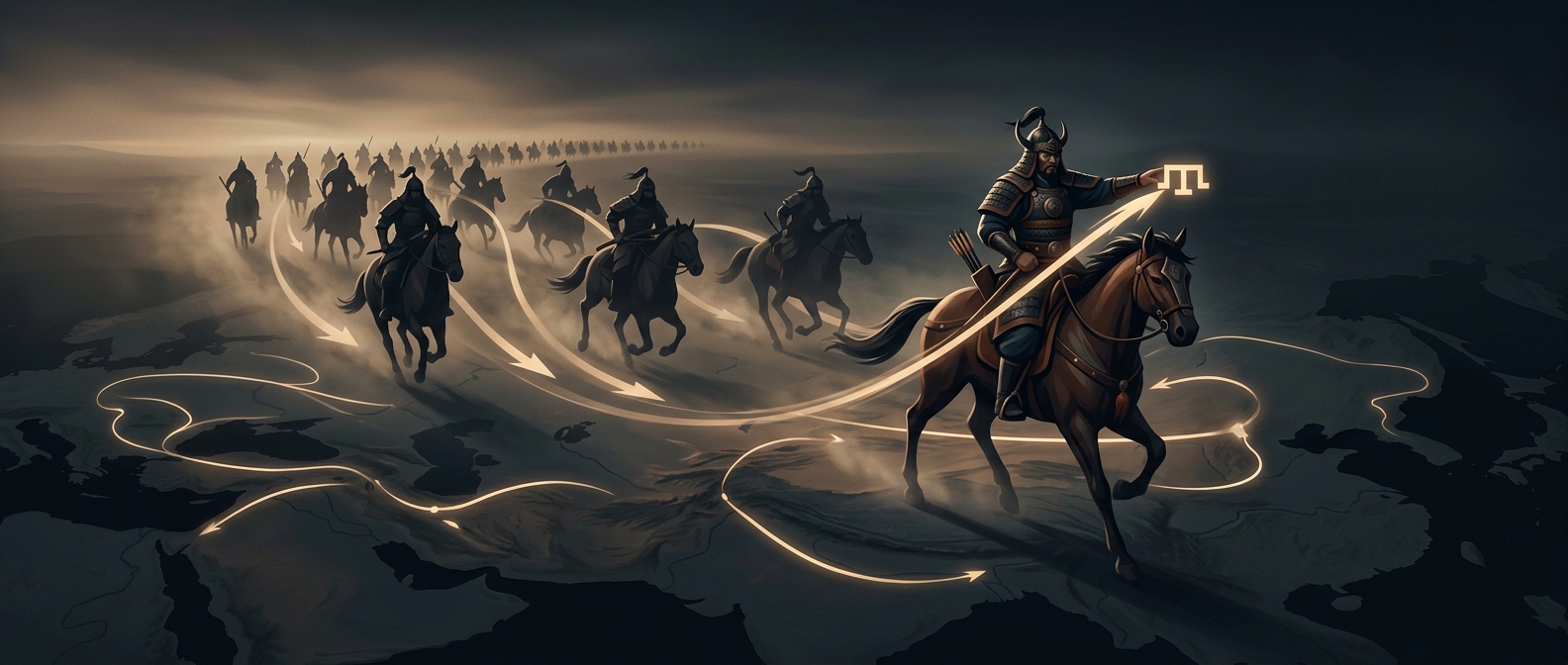
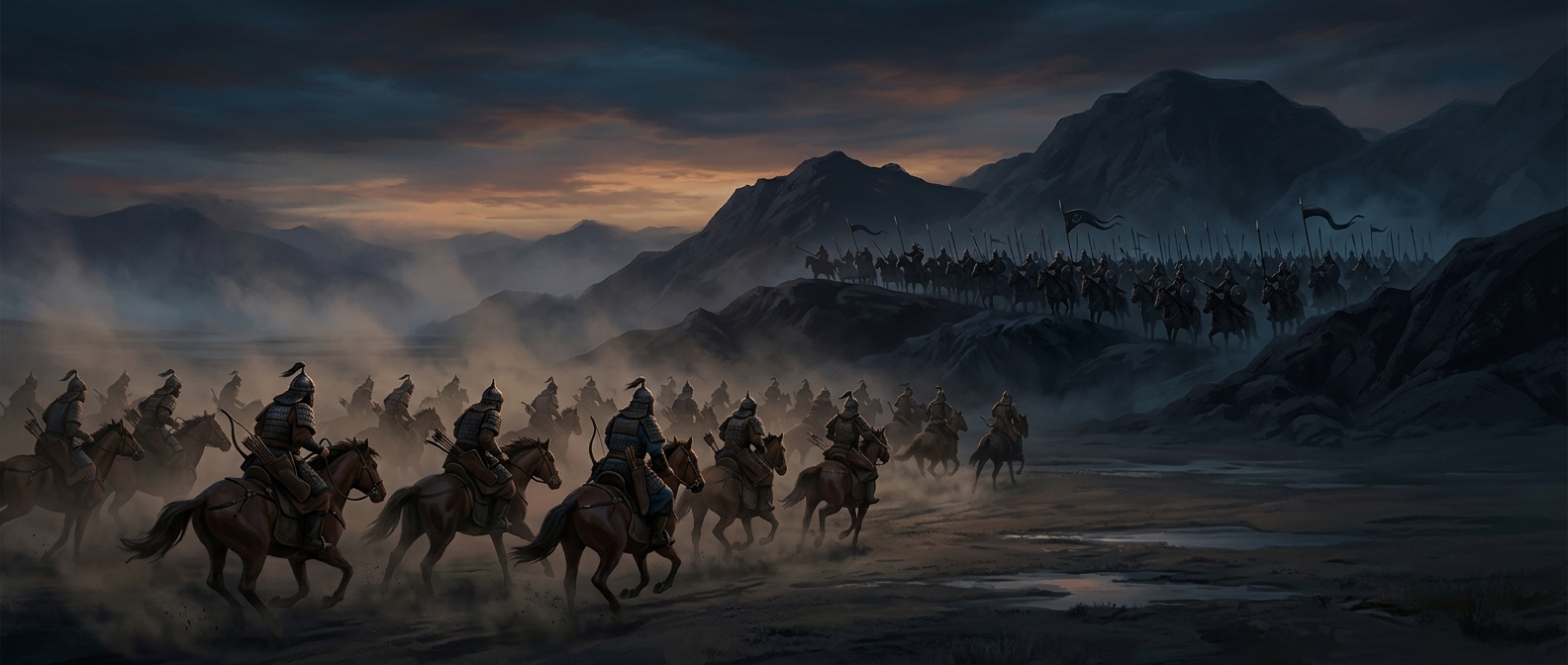
A feigned retreat turned an enemy’s instinct to pursue into a way of breaking its formation. Mongol horsemen could withdraw quickly, then reverse direction and strike at pursuers who had ridden ahead of their comrades or lost contact with their commanders. The key was not simply speed: it was making a withdrawal look believable while keeping enough control to regroup and attack.
The discipline behind the deception
A genuine rout is hard to stop. Soldiers flee in different directions, units lose cohesion, and the enemy gets to choose when and where to fight. A planned retreat had to avoid those problems. Riders needed to maintain order, watch for the right moment, and turn back together rather than scatter beyond reach of one another.
That made the tactic especially dangerous against an opponent who treated a withdrawal as proof that the battle was nearly won. The pursuers could stretch out across the ground, while the Mongols retained the mobility to choose when to re-engage. A force that had been chasing could suddenly find itself facing a counterattack with its ranks dispersed.
A tactical choice, not a magic trick
The maneuver depended on conditions: room to move, capable cavalry, and an enemy willing to chase. If opponents stayed in formation or refused to follow, the retreat might not create an opening. Nor did every Mongol withdrawal have to be deceptive. Its effectiveness came from making the enemy uncertain about whether flight was real.
That uncertainty changed the meaning of what the battlefield seemed to show. A Mongol force riding away might not be losing; it might be inviting its pursuers to become easier to defeat.