A siege line with danger on both sides
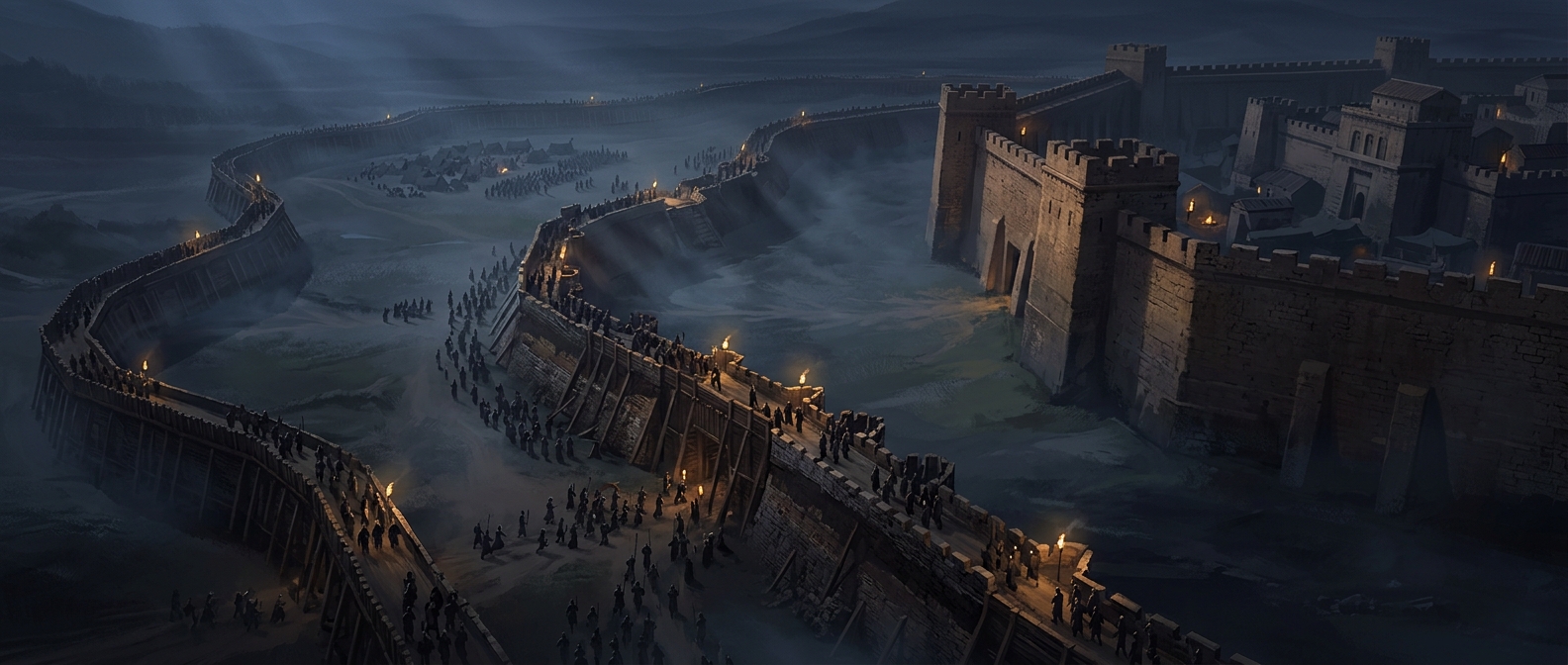
At Alesia in 52 BCE, Julius Caesar’s army was trying to trap the Gallic force led by Vercingetorix inside a hilltop stronghold. A conventional siege wall would have faced inward, keeping the besieged from breaking out. But Caesar’s men also faced a larger danger beyond their own camp: a Gallic relief force might arrive and attack them from behind.
So the Romans built two defensive lines. The inner works hemmed in the defenders; the outer works faced the countryside. Between them, Roman soldiers occupied a fortified corridor, able to defend the siege while guarding against an approaching army. The “wooden donut” was not simply one continuous timber wall: the defenses combined earthworks, ditches, palisades, towers and other obstacles, adapted to the ground.
The trap could become a trap for its builders
The outer line changed the basic risk of a siege. Without it, the Romans could concentrate on stopping a breakout. With it, they had to withstand attacks from outside while keeping the enclosed army from bursting out. If either line failed, the Roman force could be squeezed between two enemies.
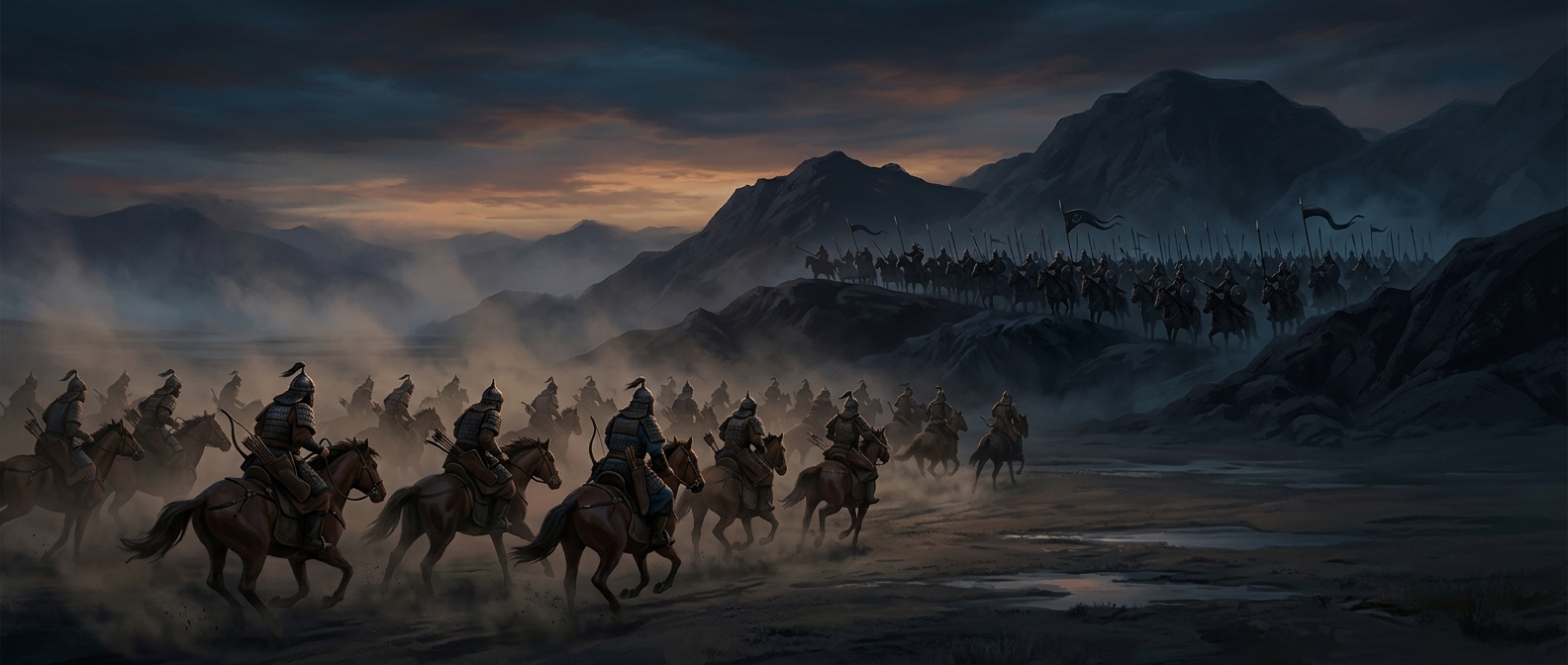
That danger became real when a relief force attacked. Roman soldiers had to shift between fronts and hold positions under pressure, while the besieged could threaten the inner defenses at the same time. The fortifications bought the Romans time and made a coordinated rescue much harder, but they did not make the position invulnerable.
The relief effort failed to break through, and Vercingetorix eventually surrendered. The remarkable engineering was not just a wall around an enemy: it was a way to make the besieging army defend its own back without giving up its grip on the fortress.