Why a body was watched before burial
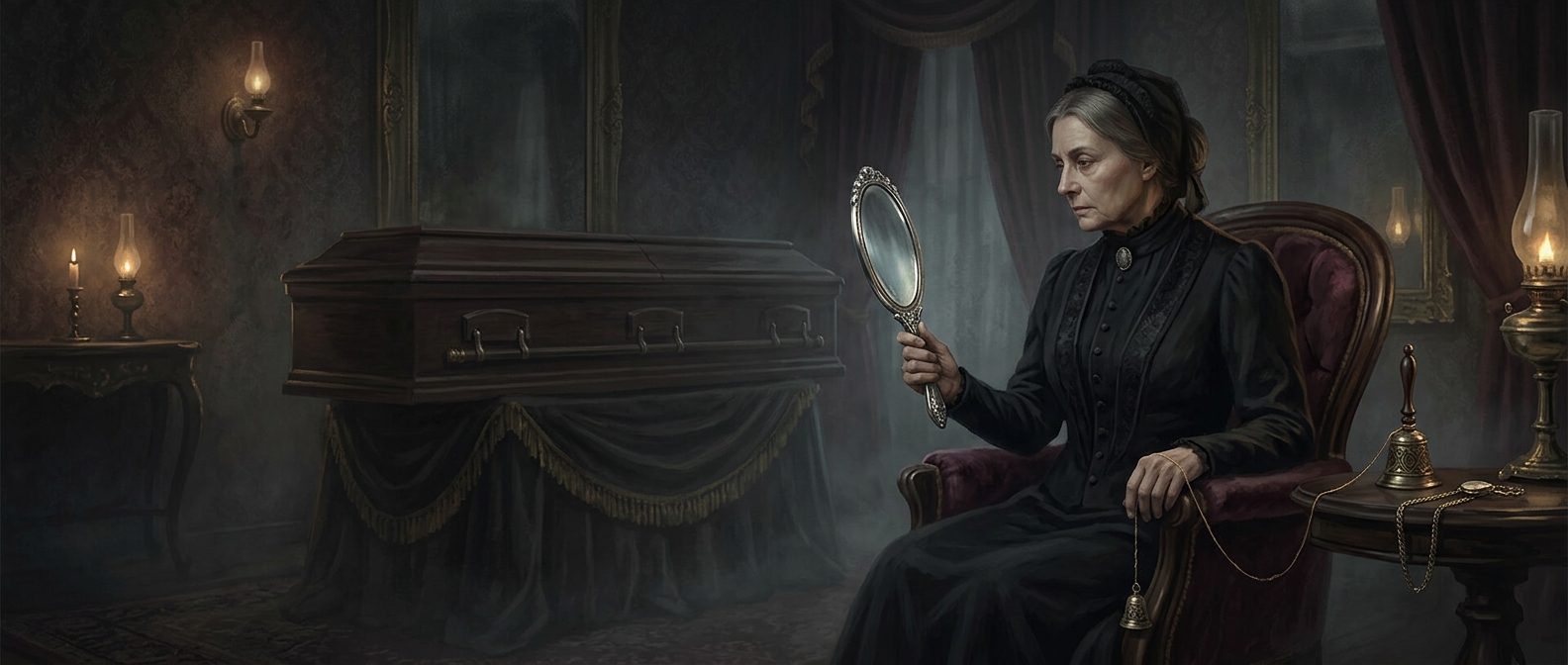
Before modern ways of checking vital signs, a person who had stopped moving or breathing could be difficult to distinguish from someone in an unusually deep unconscious state. Fear of burying someone alive was one reason families delayed burial and stayed near the body. The vigil gave time for unmistakable changes to appear, though the length and customs of a wake varied by place and period.
Watching also meant that the dead person was not left alone. Relatives and neighbors could gather, pray, remember, and support the bereaved while practical arrangements were made. The vigil was therefore both a response to uncertainty and a communal rite of farewell.
How “wake” came to mean the vigil
The word wake is tied to the idea of keeping watch. In this setting, to “wake” over someone meant to remain awake beside the body. Over time, the word came to name the gathering itself, not just the act of staying alert.
That older sense survives in the shape of the custom: people sit together through the hours before burial, keeping company with the dead and with one another. A wake is a watch, but also a way to make the interval between death and burial a shared part of saying goodbye.