A meal could become a request for protection
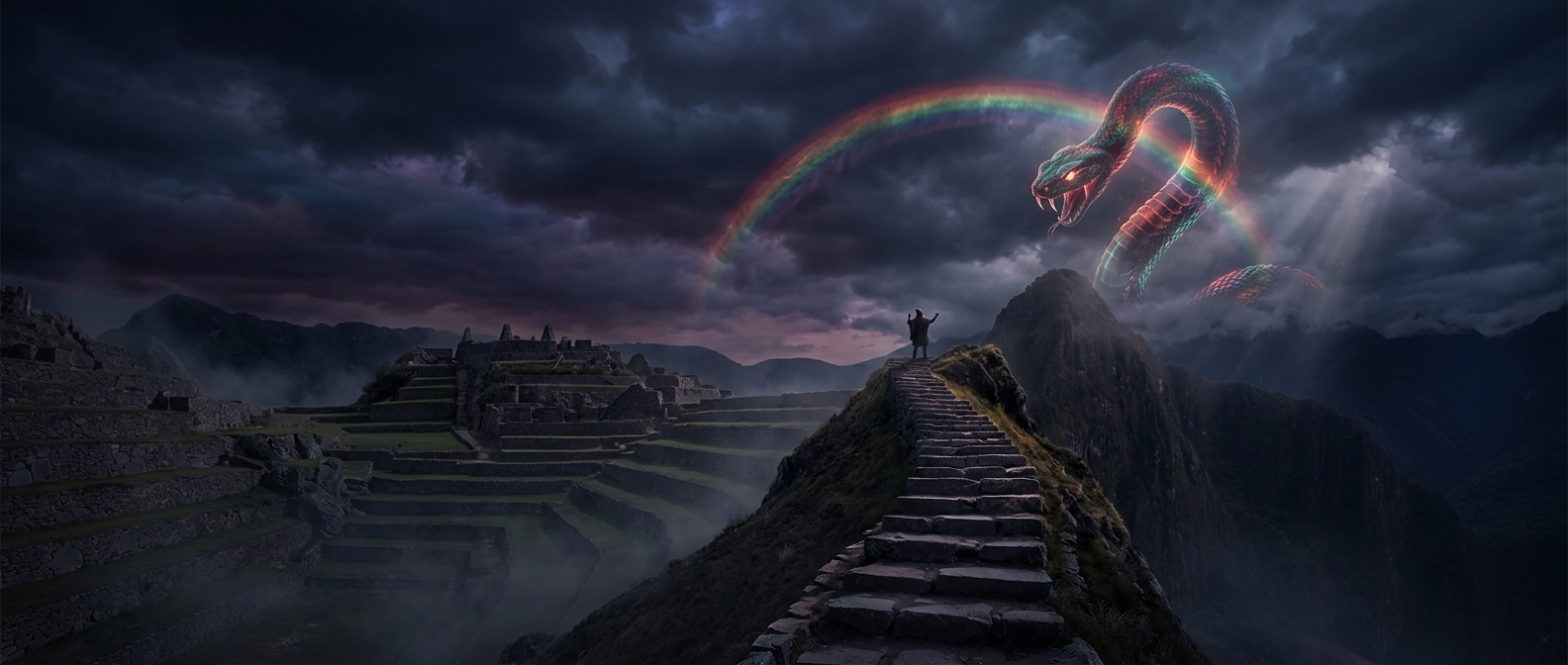
In the Inca world, mountains were not merely scenery or obstacles. Apus—powerful beings associated with particular peaks—were understood as forces that could affect the lives of nearby communities. People depended on mountain environments for water and fertile land, yet slopes could also bring destructive hazards. An offering addressed that dependence in religious terms: it was a way to seek a favorable relationship with a power that people could not control.
Why offer cuy?
Guinea pigs, called cuy in the Andes, were familiar animals raised for food. Roasting one made the offering a prepared food rather than an abstract token. Its place in ritual drew on something concrete and important in everyday life: an animal people valued enough to eat and share could also be given to a sacred recipient.
The offering was not a practical method for preventing an avalanche. It expressed a plea for protection and reflected a broader view of exchange between people and the sacred landscape. A mountain could sustain farming and threaten it at the same time. That tension is what made the gesture meaningful: asking the Apus for good harvests and safety was a way of acknowledging that survival depended on forces beyond any farmer’s command.