Turning Venus’s appearances into a working calendar
Venus does not stay visible in one part of the sky. As it moves around the Sun, it can appear before sunrise, shift to the evening sky, and then disappear from view for a time when it lies too close to the Sun’s glare. The pattern repeats in a cycle of about 584 days.
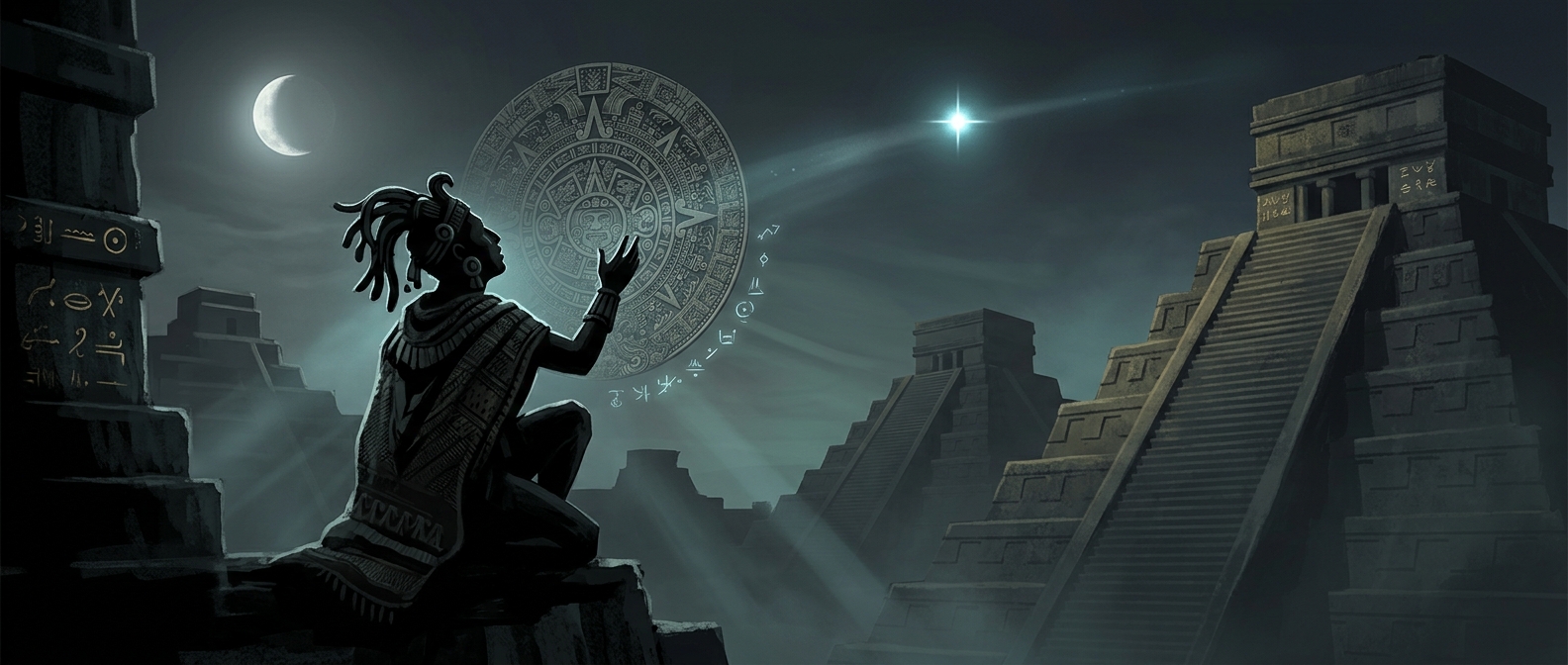
For Maya sky-watchers, the challenge was to turn that moving, sometimes-hidden planet into a dependable date. They recorded when Venus appeared and vanished, then compared those observations across repeated cycles. The result was not simply a list of sightings: it was a way to anticipate when Venus would return to a particular phase.
From observation to event timing
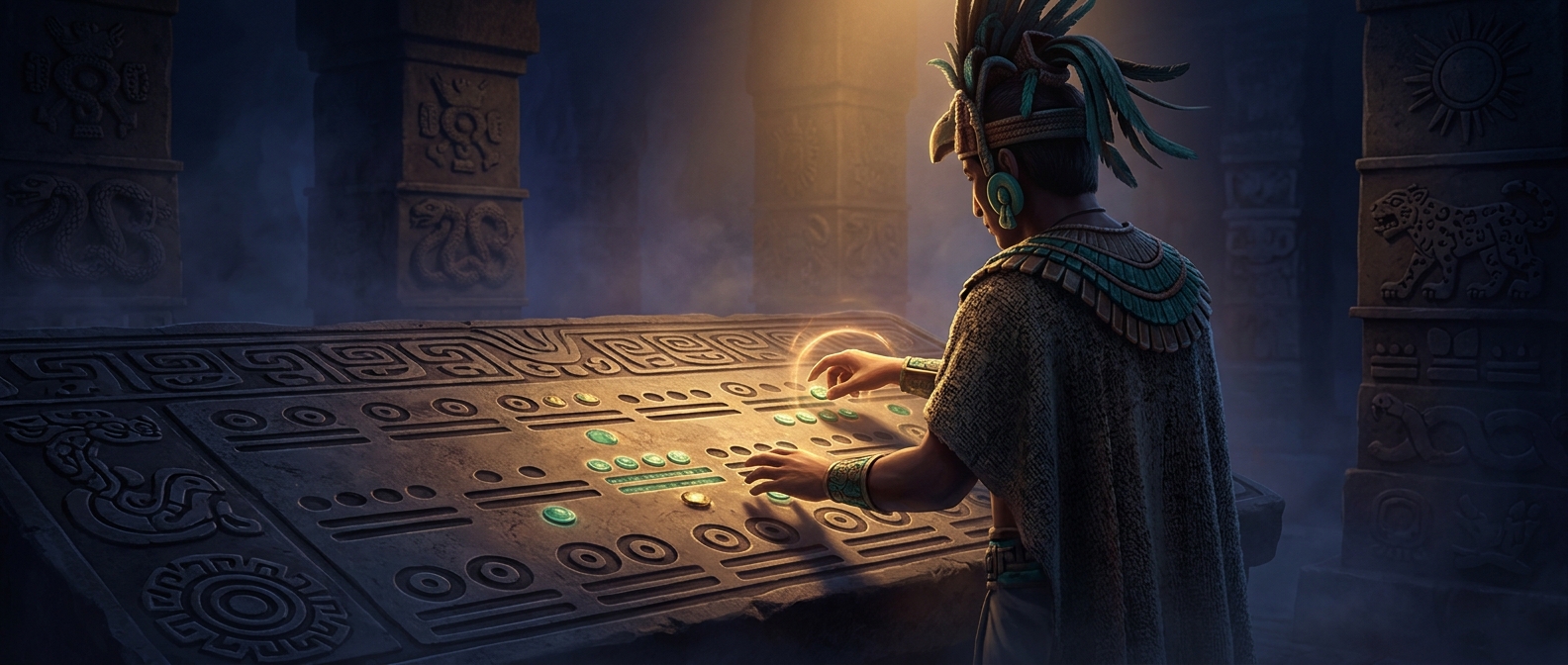
A record of this work survives in the Dresden Codex, a Maya manuscript containing a table for tracking Venus. Its structure organized the planet’s appearances into intervals, allowing observers to project future dates rather than wait for each event to happen again. Because the cycle is not a perfectly tidy number of days in practice, maintaining useful predictions required careful observation and adjustment over time.
That knowledge gave the sky a place in public life. Maya rulers and communities could associate significant ceremonies and other major events with Venus’s predicted appearances. The calendar made celestial observation practical: a planet’s changing visibility could help determine when an event should take place.
The achievement did not depend on magnifying lenses or a single extraordinary sighting. It came from patient records, shared over generations, that made a recurring pattern precise enough to guide decisions on Earth.