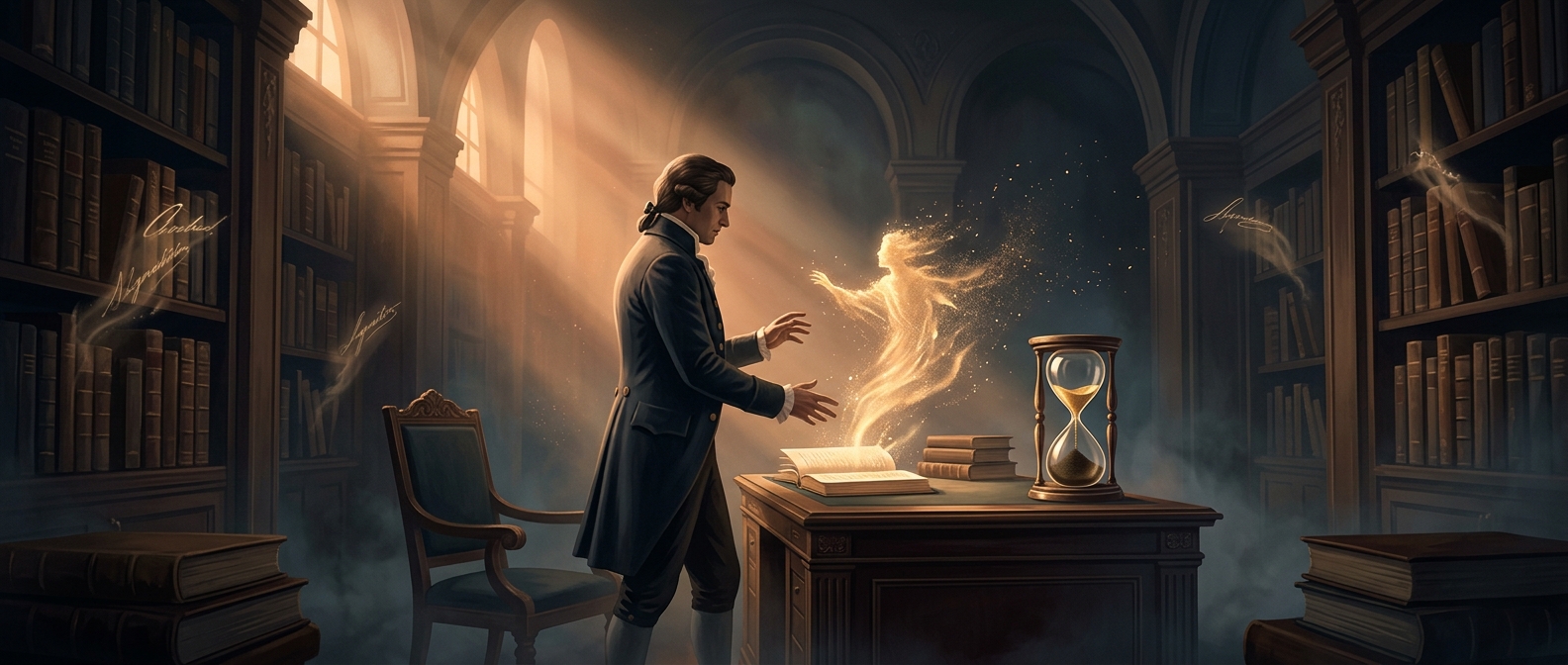
Why early copyright came with an expiration date
Copyright began as a bargain over who could print and sell a book—not as permanent ownership of every use of an idea. In England, the Statute of Anne, which took effect in 1710, gave an author an initial 14-year term. If the author was still alive at its end, the protection could be renewed for another 14 years. That made “about a decade” a rough description, not a universal rule.
The clock mattered because a copyright gave its holder control over commercial copying. During the term, others generally needed permission to publish the protected text. When the term ended, the work entered the public domain: publishers could print it without obtaining copyright permission or paying the rightsholder.
A temporary reward, then a shared resource
The limited term reflected two interests. Authors could earn from their writing, while the public would eventually gain freer access to books and the ability to reprint them. A book’s ideas could influence later writers, but the legal right to control copies did not have to last forever.
That handoff could make a practical difference. Once a work was free to reprint, competing publishers could issue their own editions, potentially making it easier for readers to find. The author’s exclusive control ended, but the work remained available to be read and reused.
Modern copyright often lasts for the author’s lifetime plus many decades, delaying that handoff. The contrast is not simply between short and long protection: it is between two timelines for when a work stops being controlled by a rightsholder and becomes available for anyone to publish.