Why woven seats feel cooler in humid weather
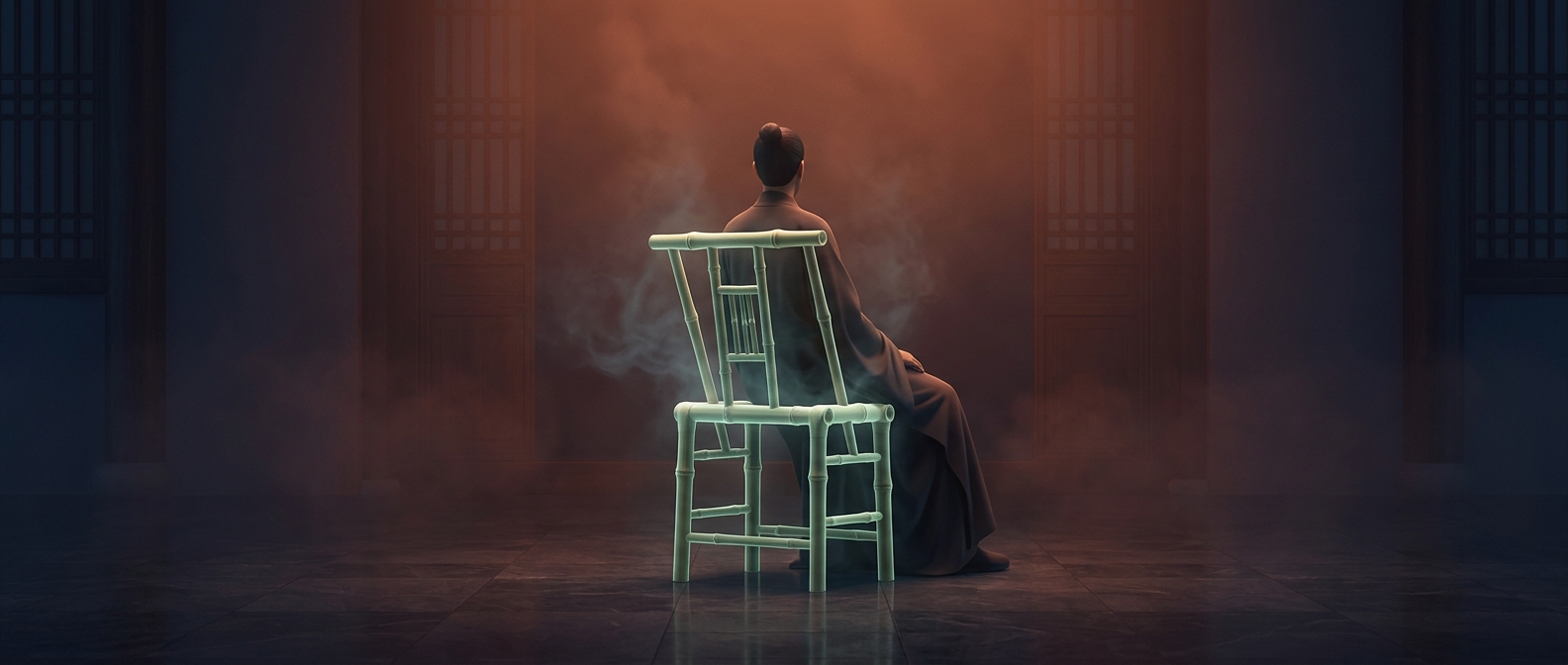
Upholstered furniture can hold a layer of warm, damp air where the body meets the cushion. Bamboo and rattan seating works differently: its open weave leaves gaps beneath and around the sitter, allowing air to circulate and moisture to evaporate. The result is less heat and dampness lingering against the skin—a practical comfort in a hot, humid room.
A material shaped into an everyday object
Bamboo is a fast-growing grass with long, hollow stems; rattan is a climbing palm whose flexible canes can be bent and woven. Both can be made into lightweight furniture, but their value here lies in the structure as much as the material. Thin strips or canes create a firm surface without closing it off like a solid board or a thick padded cushion.
The weave also makes a seat resilient: its many crossings distribute a sitter’s weight, while the open spaces keep the construction relatively light. That combination makes woven furniture easy to move and well suited to rooms where ventilation matters.
Comfort without a cushion
The tradeoff is that a woven seat is firmer and offers less padding than upholstery. Its advantage is not that bamboo or rattan actively cools the body; it is that the seat is less likely to trap heat and moisture. In muggy weather, that small difference can make an ordinary chair more comfortable without adding fabric that holds warmth against the sitter.