History
Discover facts about history. Small discoveries that change the way you see familiar things.
History
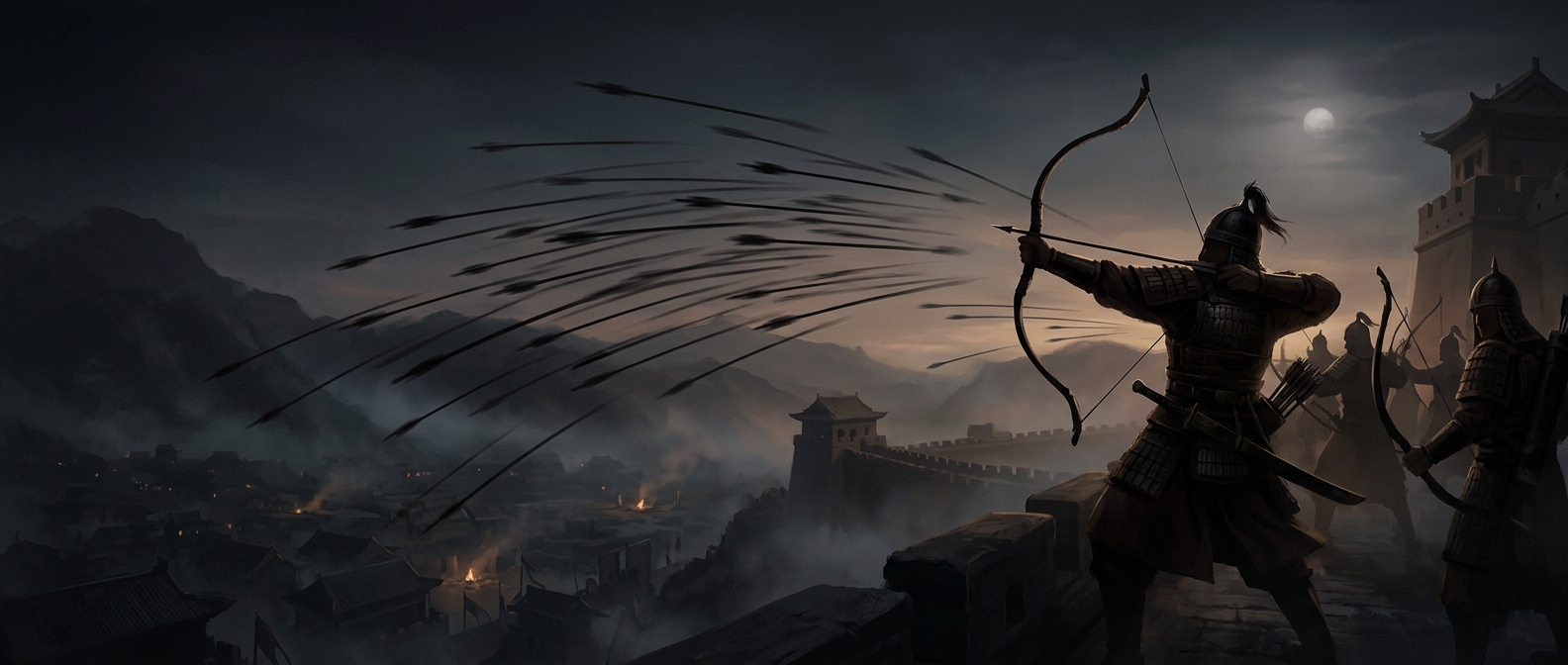
A repeating crossbow stored the next shot above the last one
Its magazine fed another bolt into place as the operator worked a lever. That reduced the repeated hand-loading that slows an ordinary crossbow, trading some…
Discover more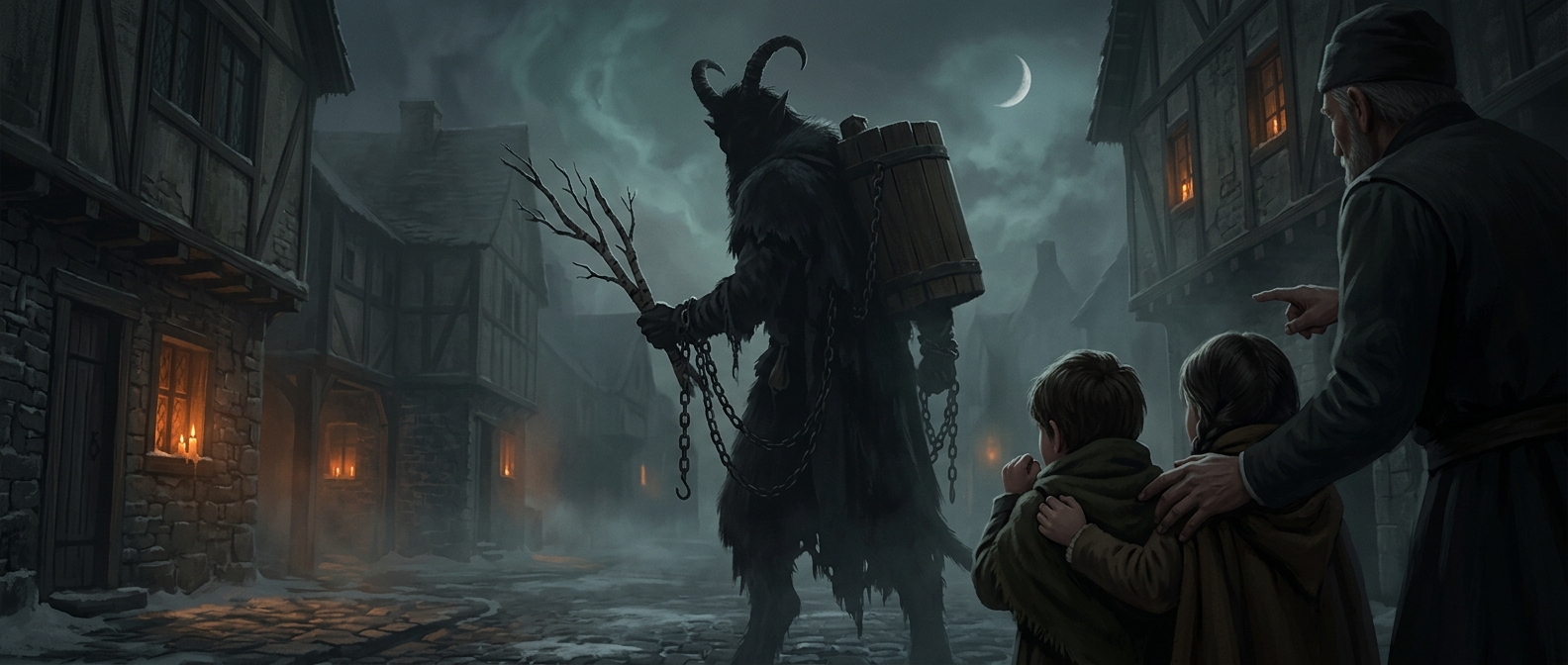
The horned winter demon who hunted naughty children
Some winter festivals featured a horned beast said to stuff naughty children into a sack and drag them away.
Discover more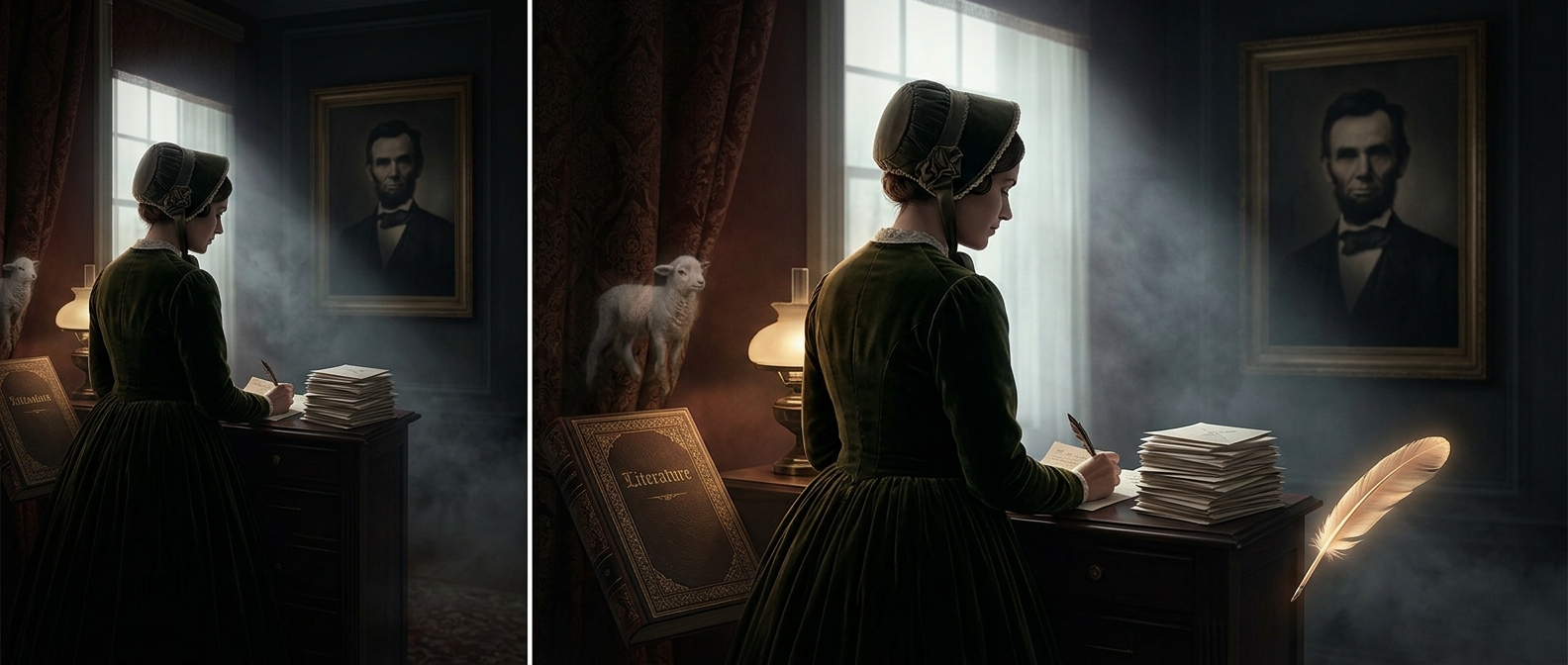
The nursery-rhyme author who lobbied for Thanksgiving
Sarah Josepha Hale, author of 'Mary Had a Little Lamb,' spent decades campaigning for a shared national Thanksgiving. She wrote to presidents and promoted the…
Discover more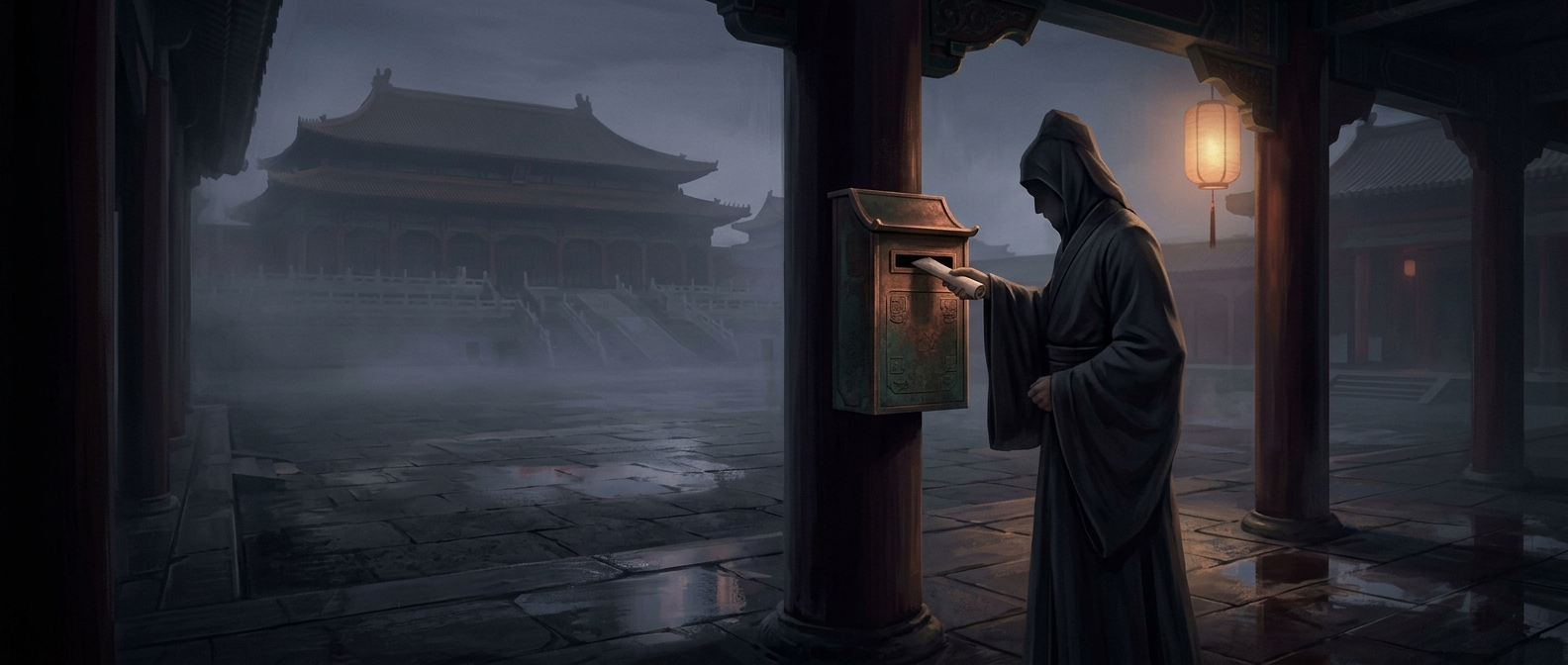
Wu Zetian gave petitions their own copper inboxes
In 686, she introduced receptacles for messages to the court, with categories covering advice, grievances, recommendations, and sensitive information. The…
Discover more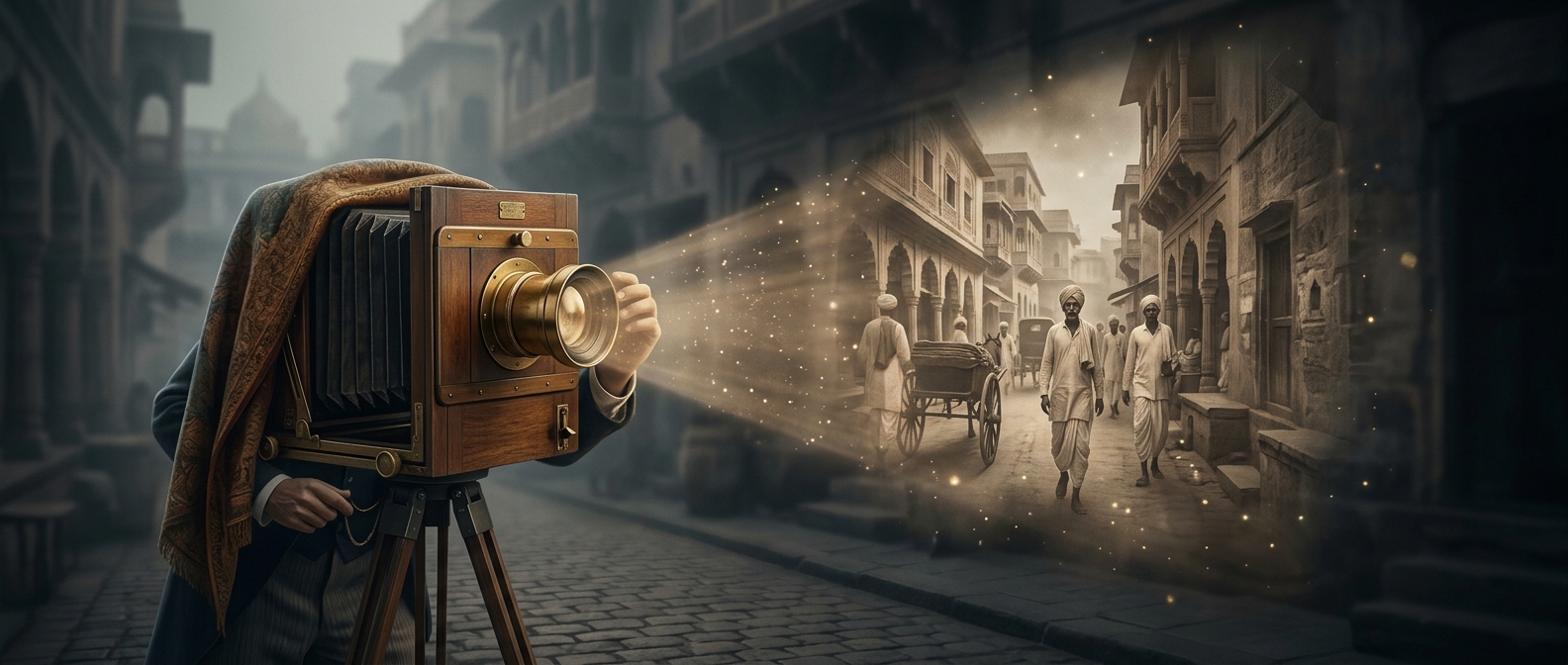
First photo in India captured a street scene
In 1840, an exposure in Calcutta captured a street scene. Photography soon offered people an alternative to sitting for a painted portrait.
Discover more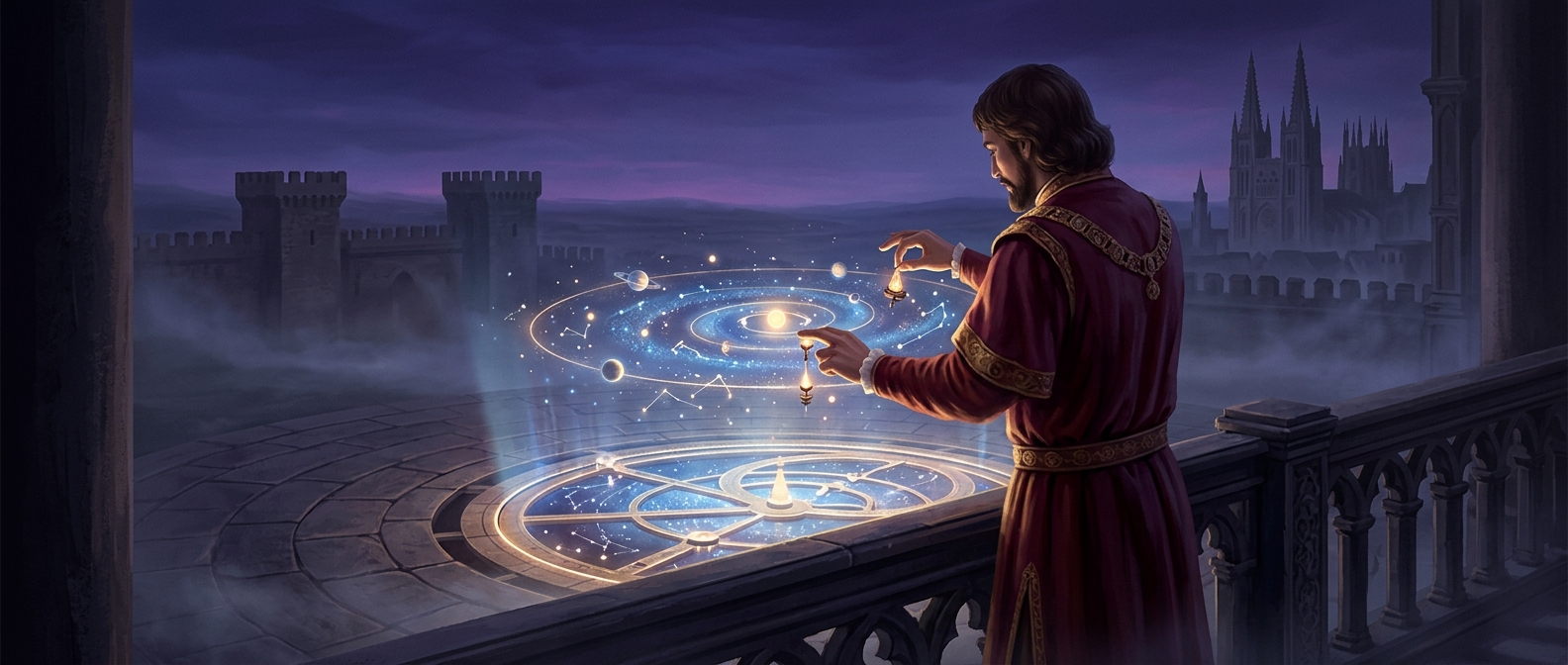
A medieval king became the villain of a joke about God's design
A hostile chronicle written decades after Alfonso X's death claimed he would have improved creation if God had consulted him. Later retellings turned the…
Discover more STACKY FOR IPHONE
A bigger world.
One discovery
at a time.
Keep discovering with Stacky. Interesting facts in an app that is always within reach.
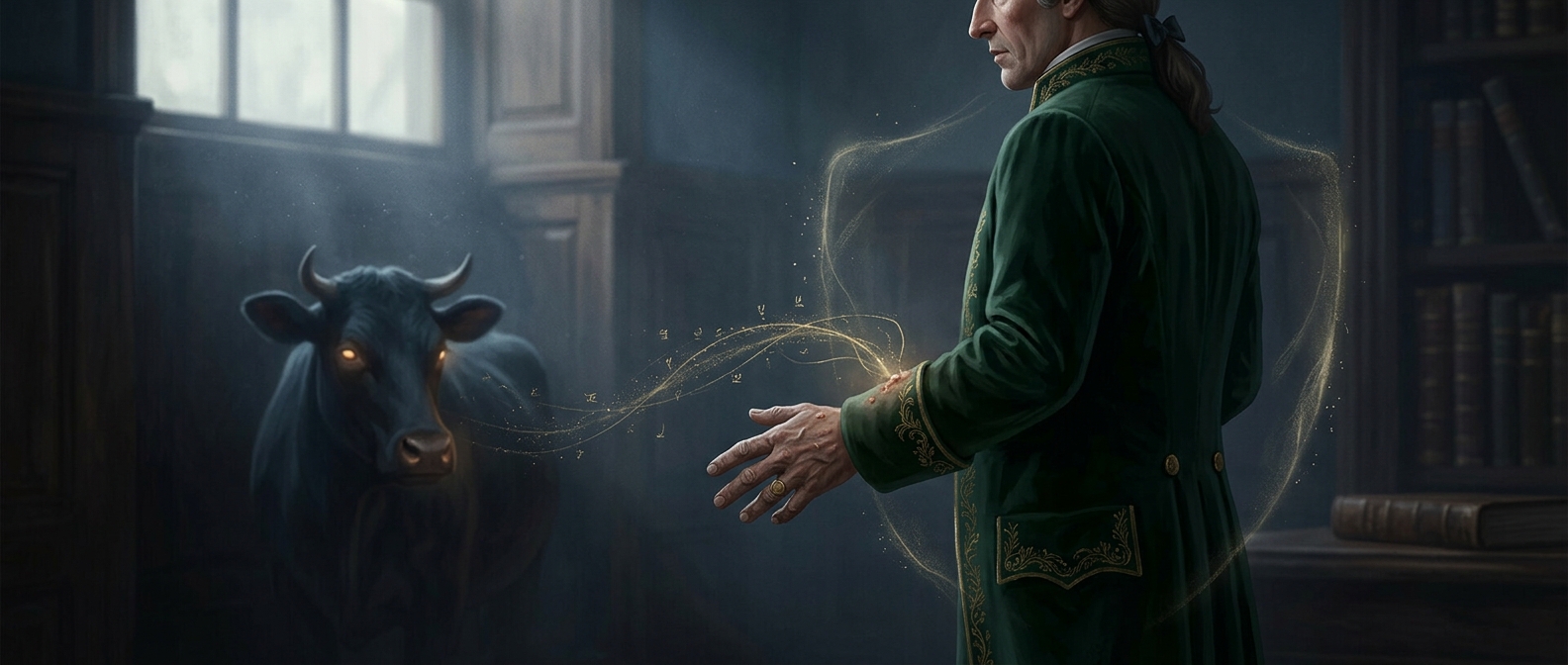
The gruesome cowpox trick that inspired vaccination
The gamble was that cowpox, a milder infection, could protect people against deadly smallpox. Doctors introduced material from cowpox blisters through cuts in…
Discover more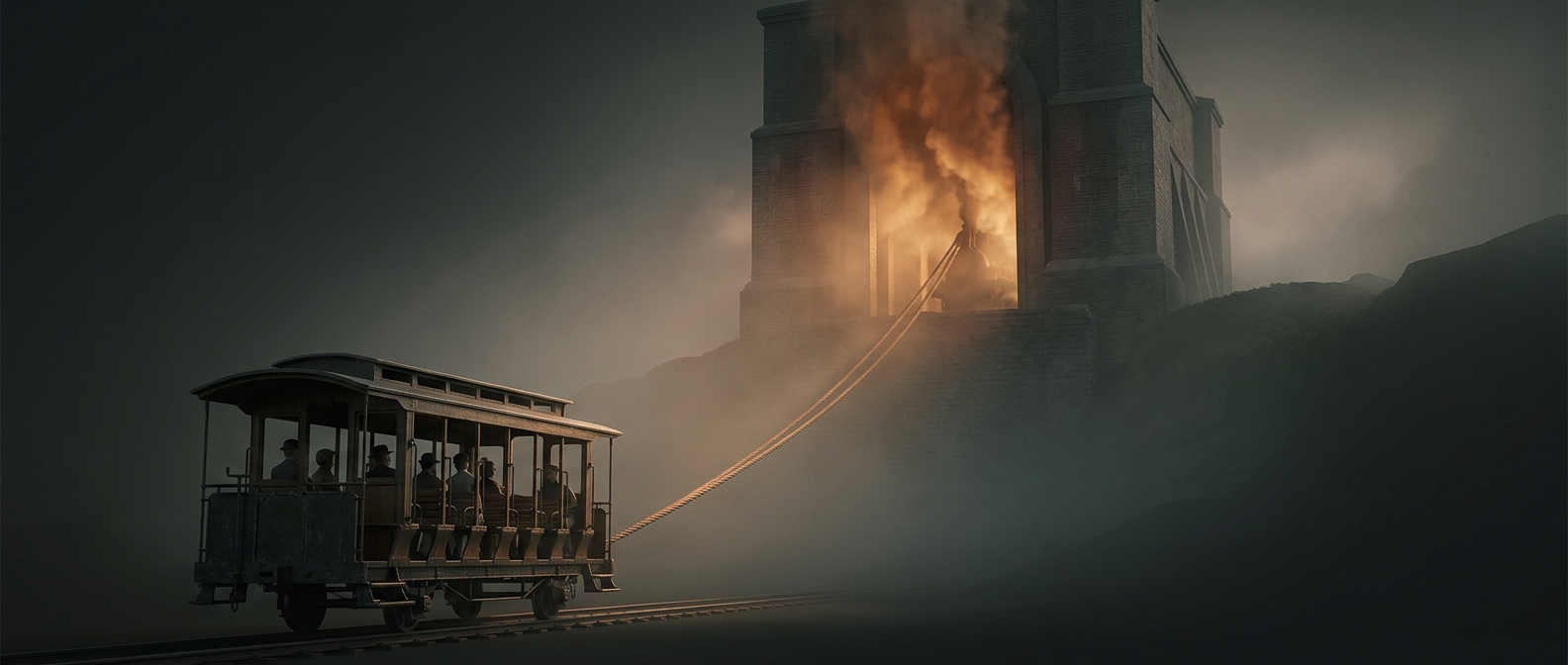
Early trains sometimes left their steam engine at the station
On steep sections such as the approach out of London's Euston, a stationary engine could haul carriages using a rope. The heavy power source stayed put while…
Discover more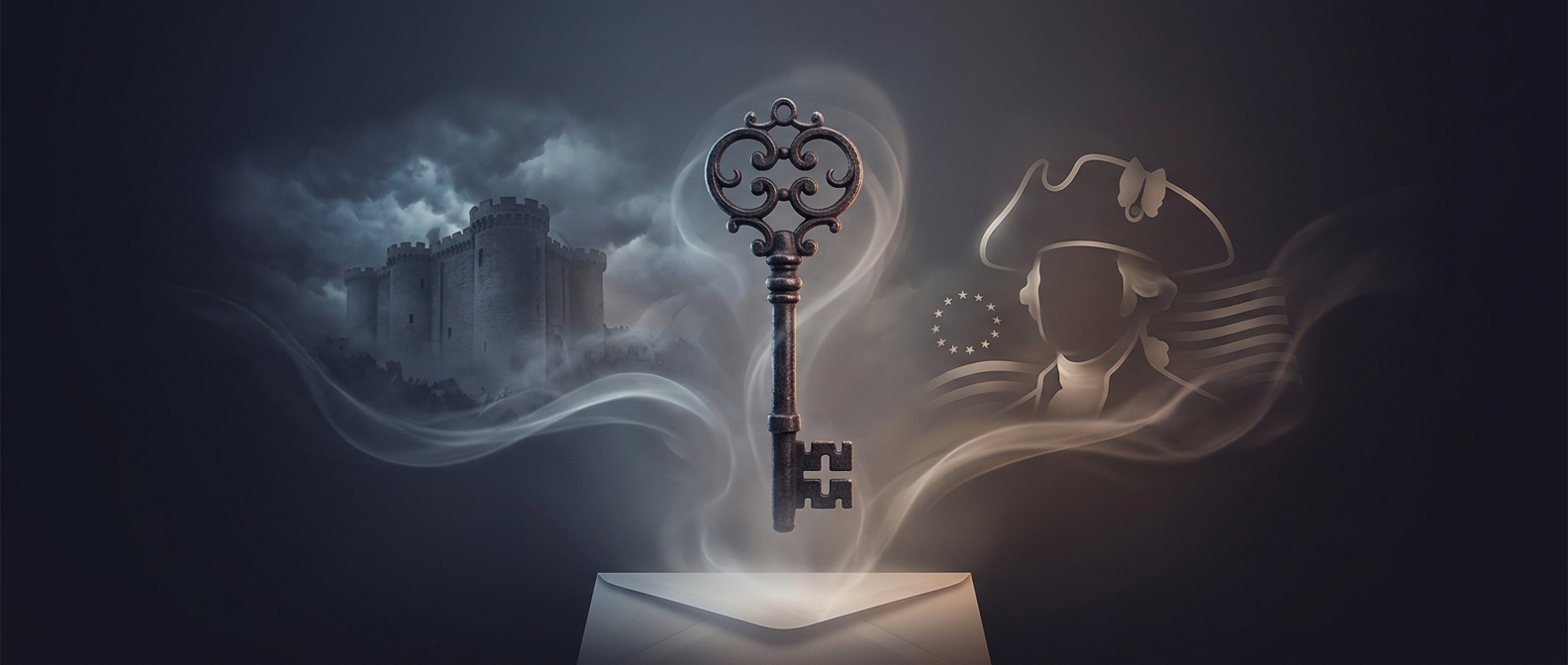
The Bastille key Lafayette sent to Washington
Lafayette sent the key to George Washington as a token of liberty, and it still hangs in the hallway at Mount Vernon.
Discover more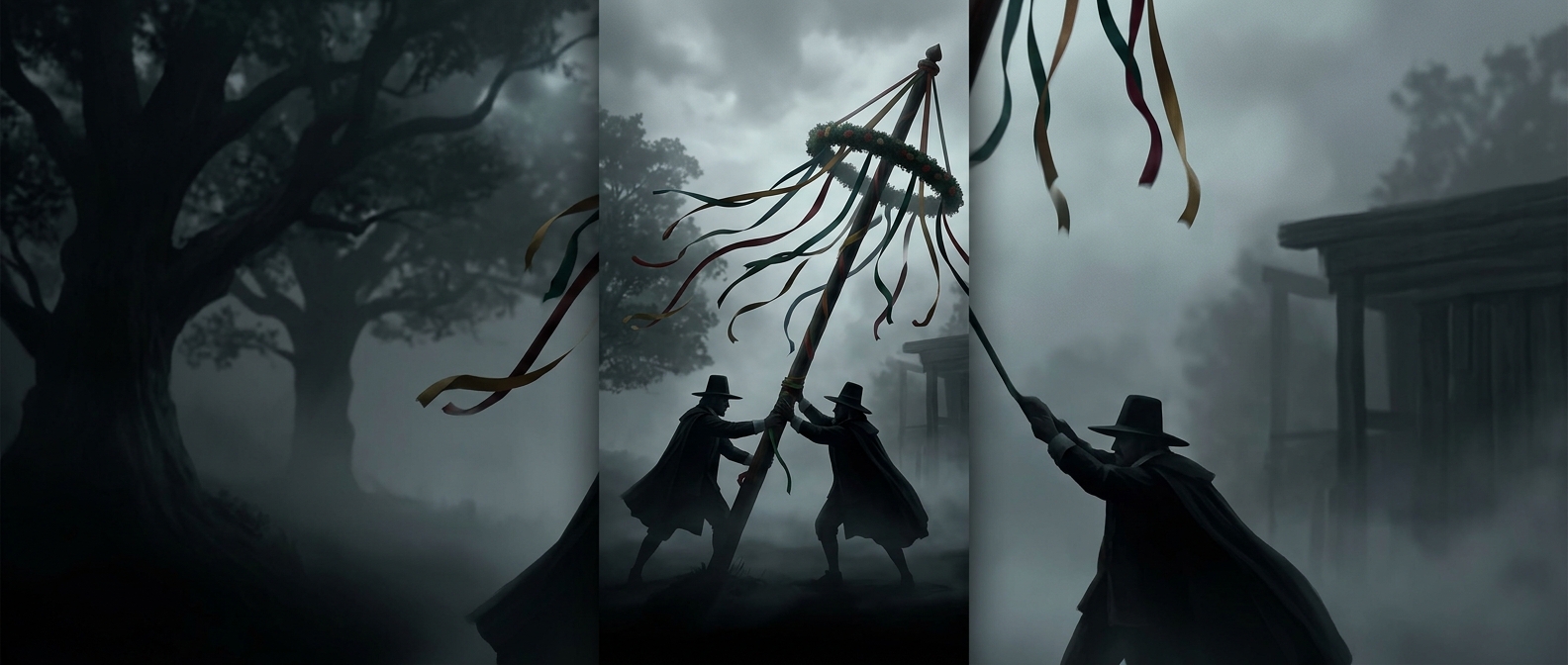
Why Puritans banned the Maypole
Puritan leaders saw Maypole dances as a threat to public morals, so they chopped down the poles and outlawed the celebrations. The target wasn’t the wood; it…
Discover more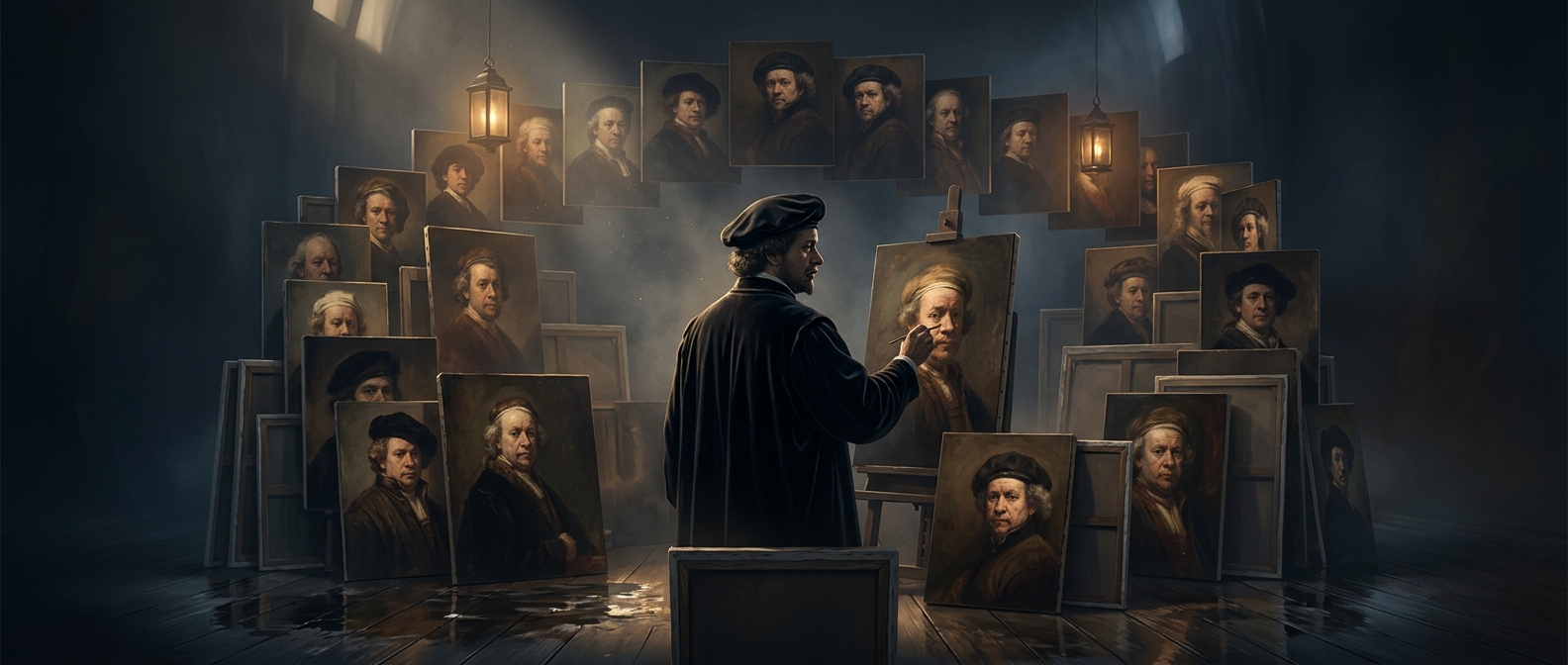
Rembrandt painted himself through success, age, and financial ruin
Across decades of self-portraits, the costumes, lighting, and expressions change along with the man. A late painting such as the 1659 self-portrait comes…
Discover more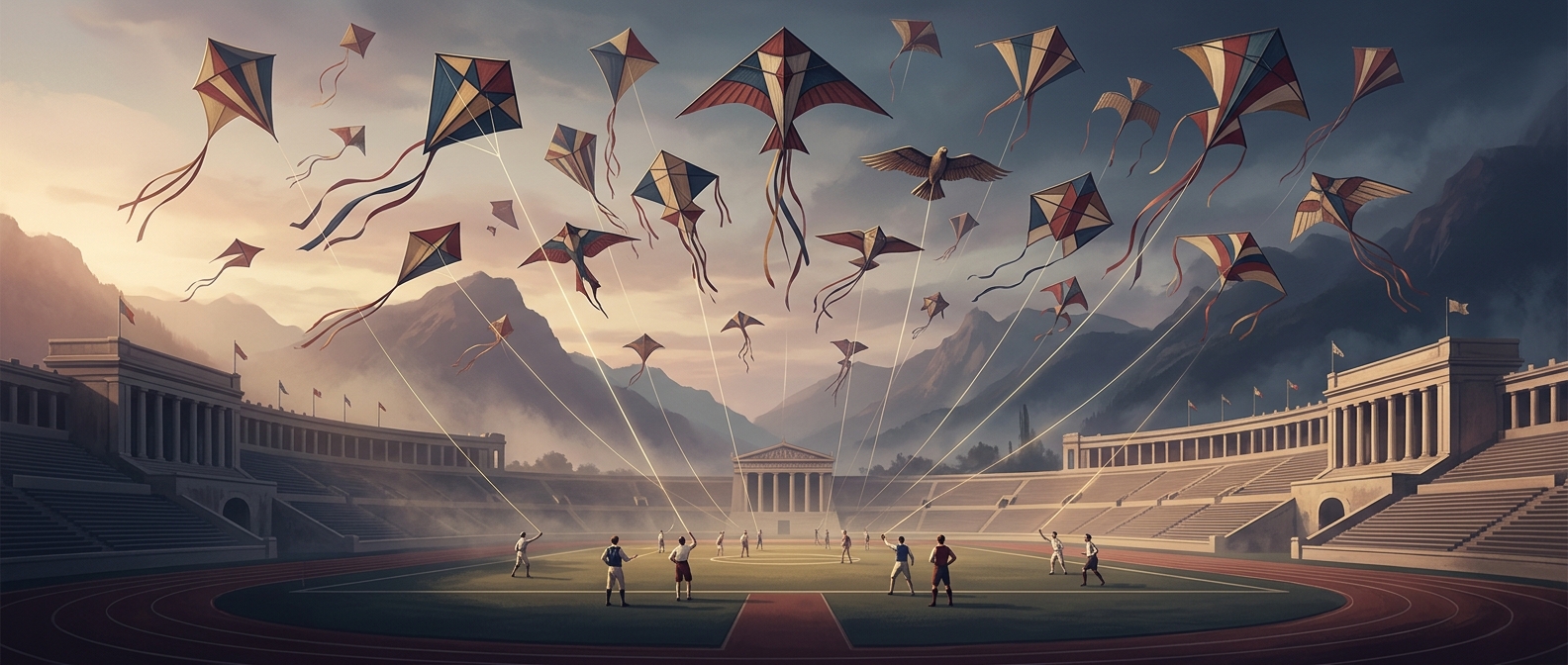
Paris held a kite contest that had to wait for the wind
The 1900 Paris Exposition included kite competitions alongside the sprawling Olympic-era program. The large-kite contest was postponed because there wasn't…
Discover more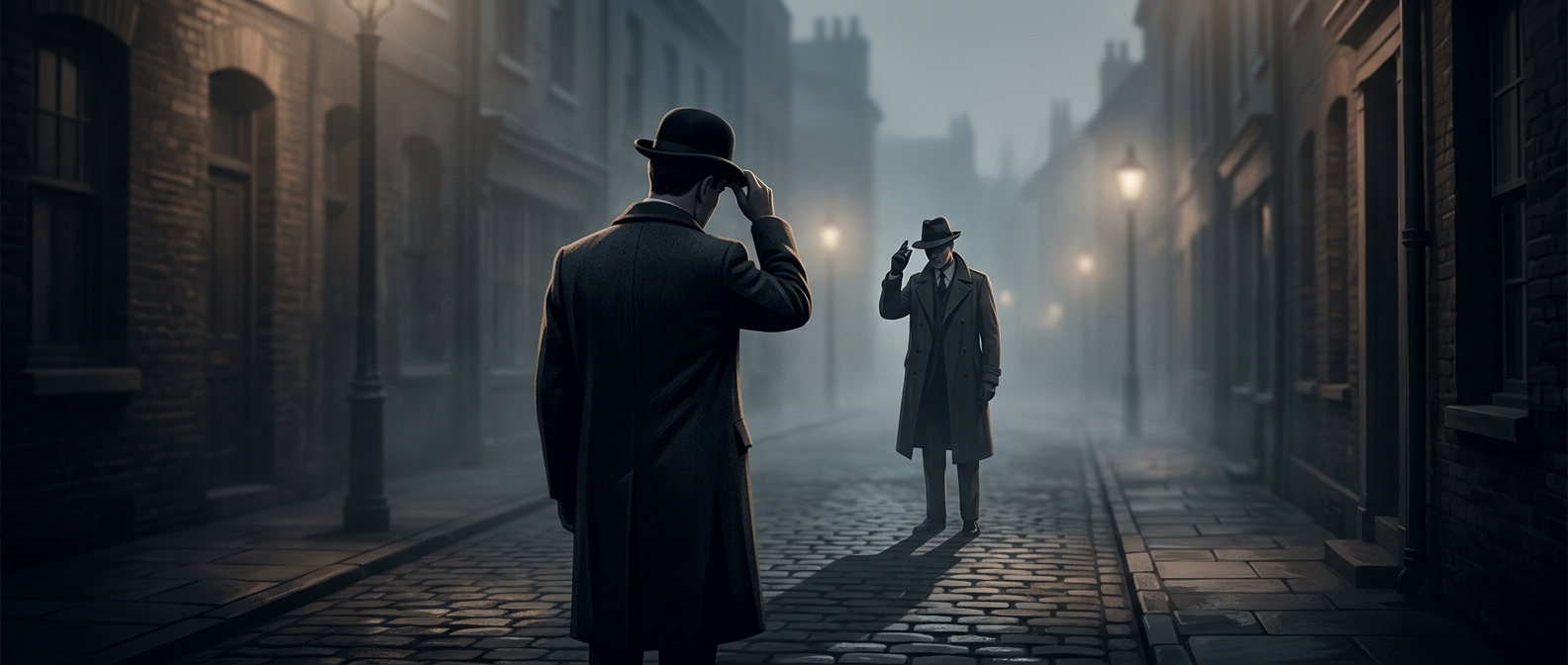
Emily Post had instructions for juggling a hat and a handshake
Her etiquette guide explained which hand should hold a hat when a gentleman stopped to greet a woman, including what to do if he also carried a walking stick.…
Discover more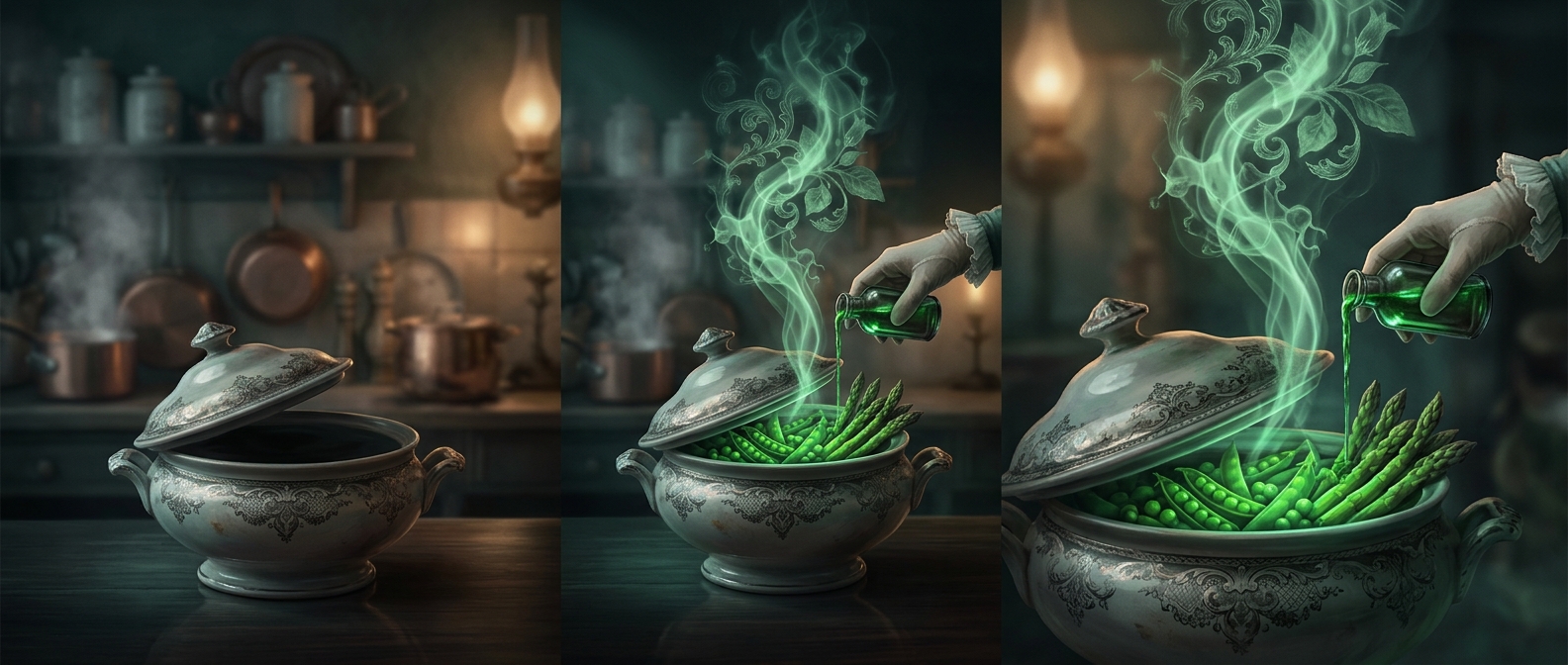
Victorian vegetables were brightened with poison
To make canned peas and pickles look freshly green, Victorian manufacturers added copper sulfate. The color came back; so did the poison.
Discover more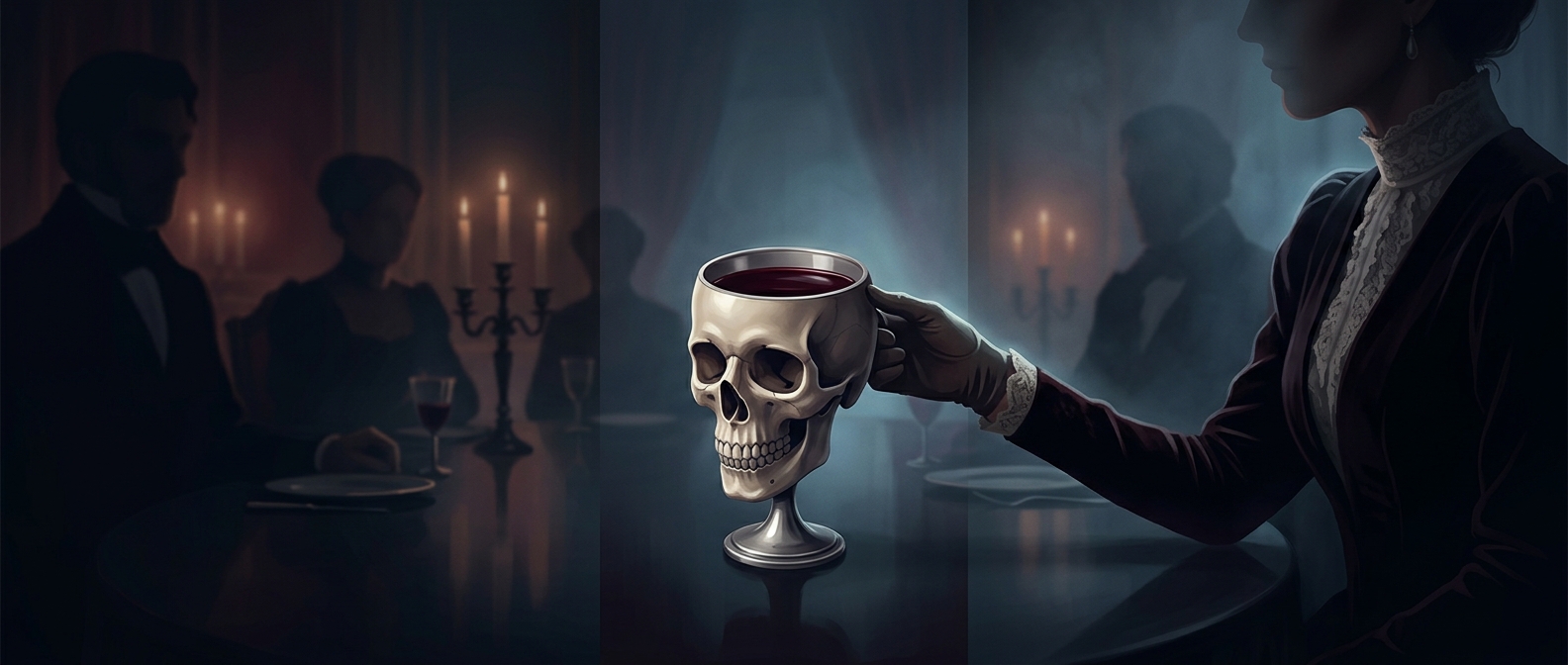
Lord Byron turned a found skull into a drinking cup
Byron said a gardener uncovered the skull at Newstead Abbey, and he had it made into a vessel for wine. He even wrote a poem for it. The macabre object was…
Discover more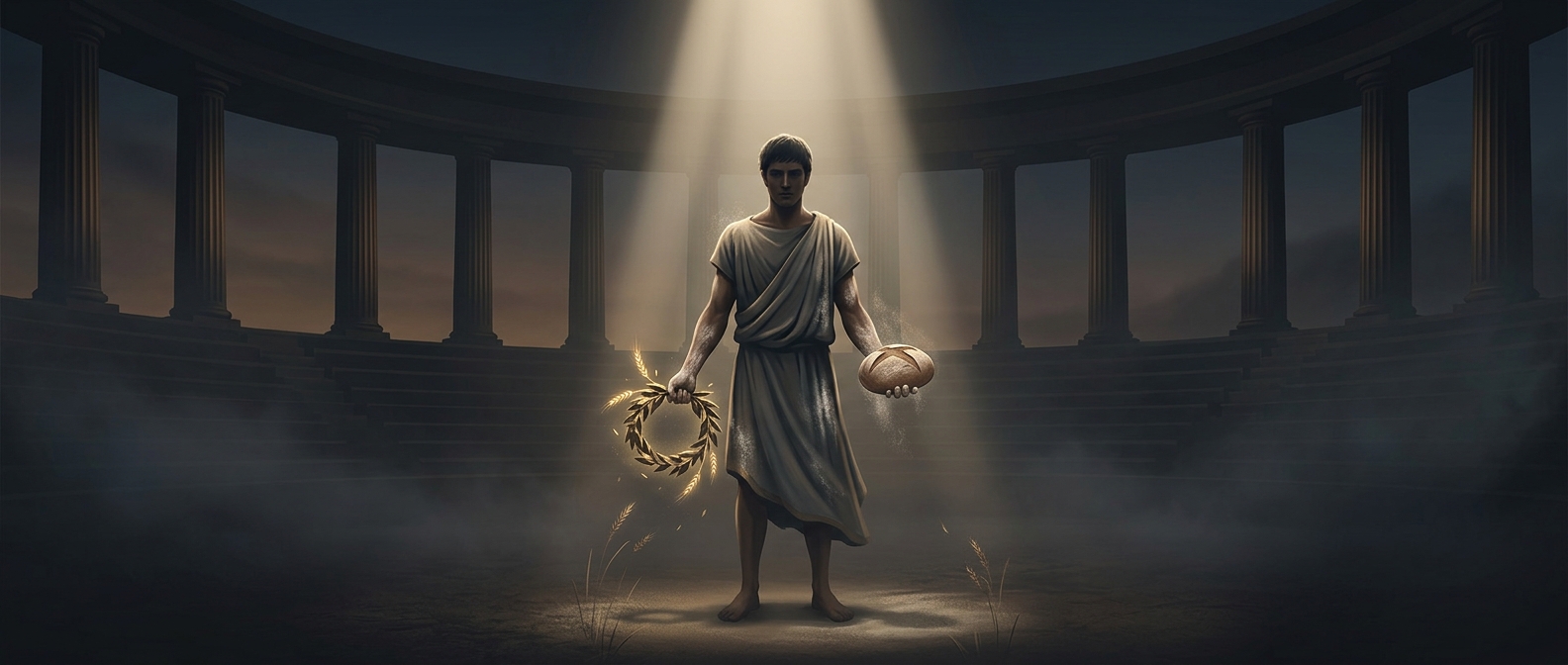
The first recorded Olympic winner was a cook
Coroebus of Elis won the stadion sprint in 776 BCE, the earliest Olympics with a recorded victor. The race covered one length of the stadium. Before the Games…
Discover more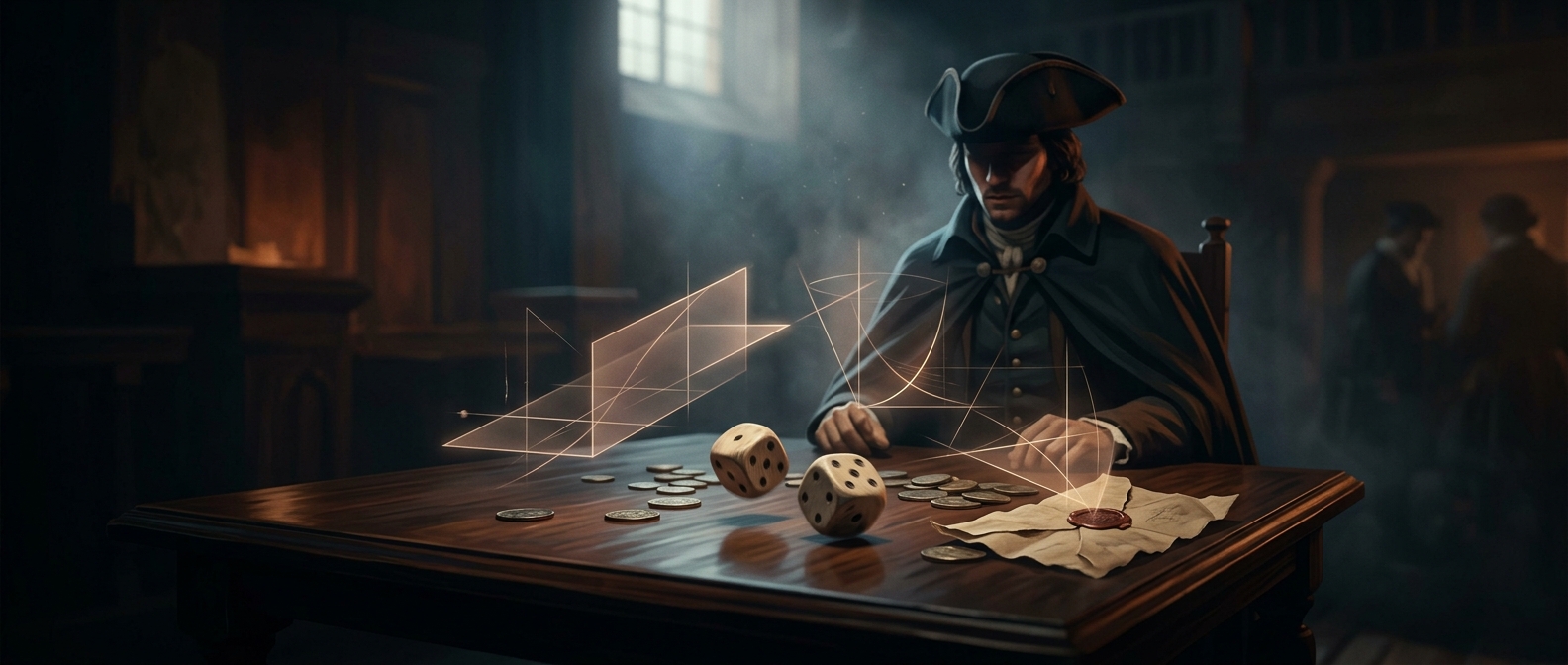
An unfinished game helped mathematicians invent better odds
Pascal and Fermat's 1654 correspondence tackled the problem of dividing stakes when a game stops early. The fair share depends on each player's chance of…
Discover more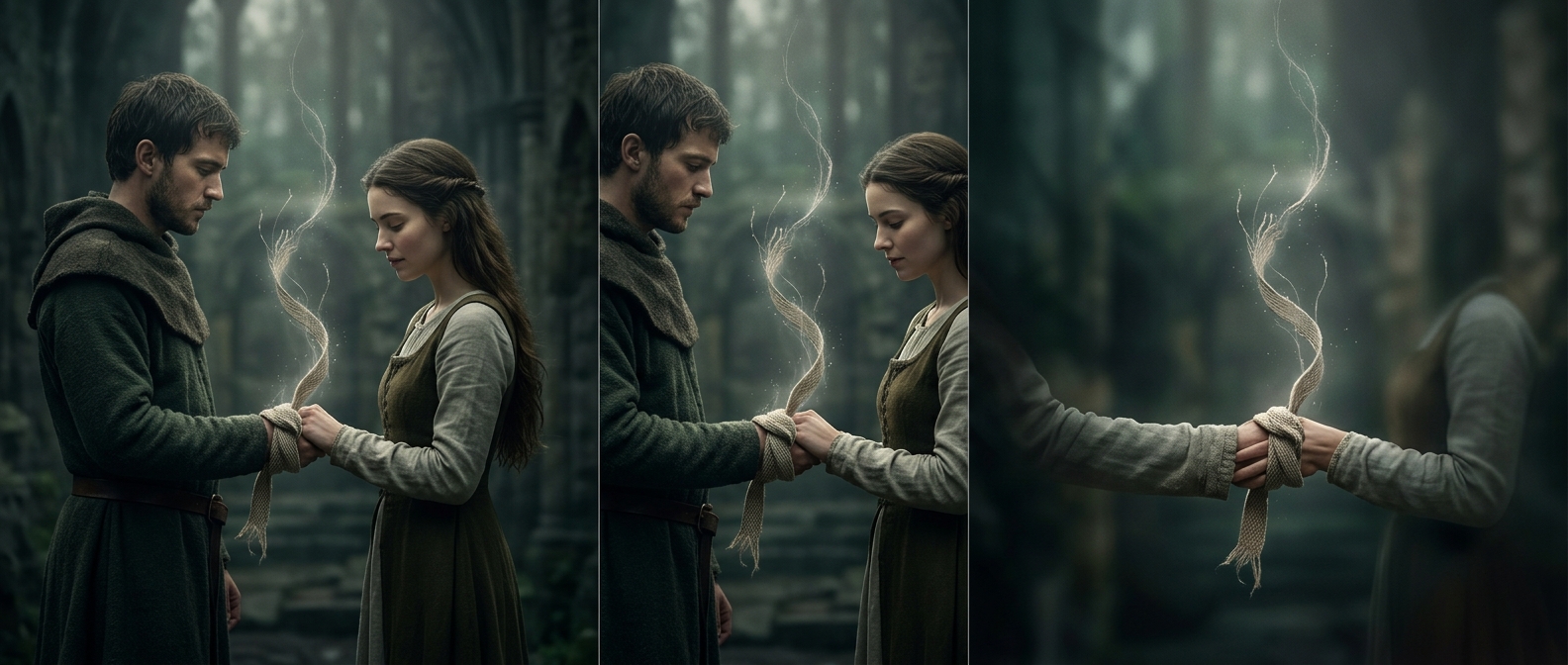
The marriage trial that lasted a year and a day
Couples tied their wrists together for the year-and-a-day trial, but could walk away if they decided not to commit permanently.
Discover more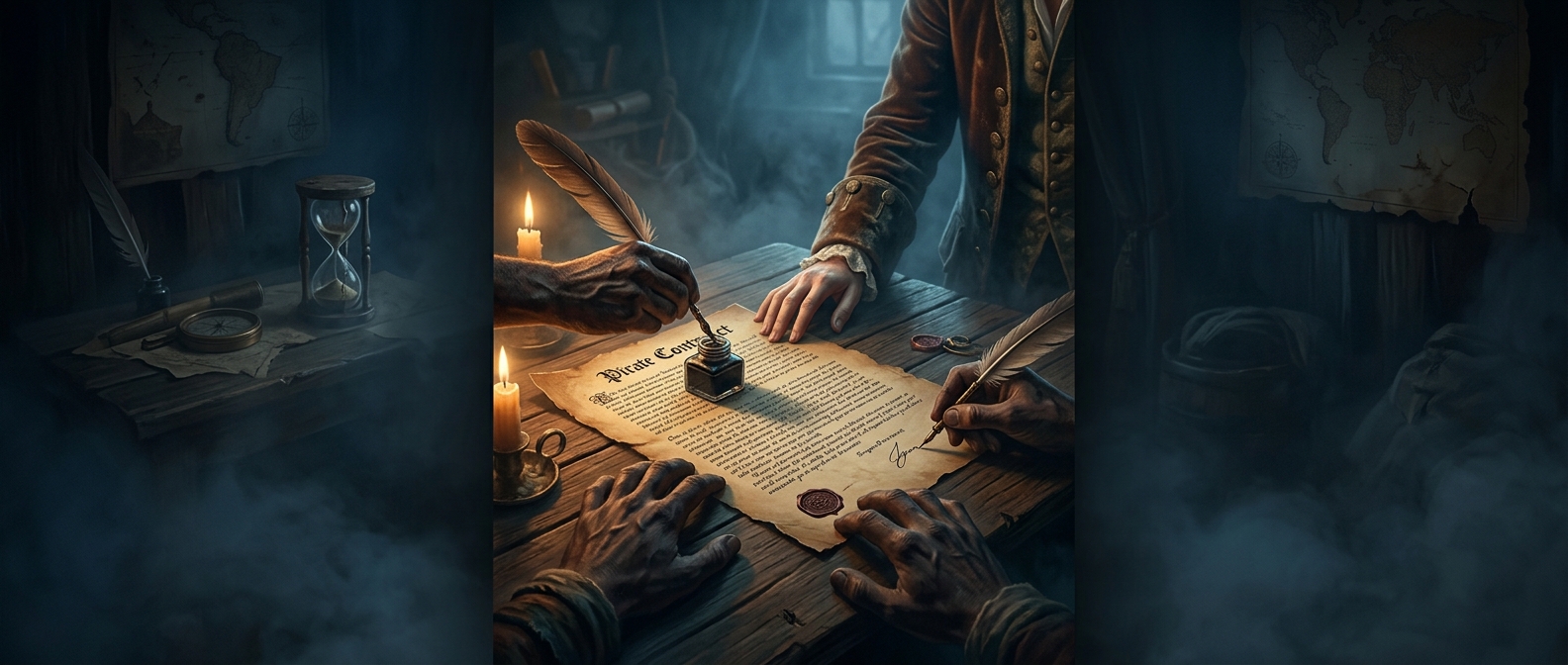
Pirates had surprisingly democratic workplace rules
Pirate crews agreed to written rules covering pay, injury compensation, and conduct—and could vote out a captain who abused his authority. Even at sea, the…
Discover more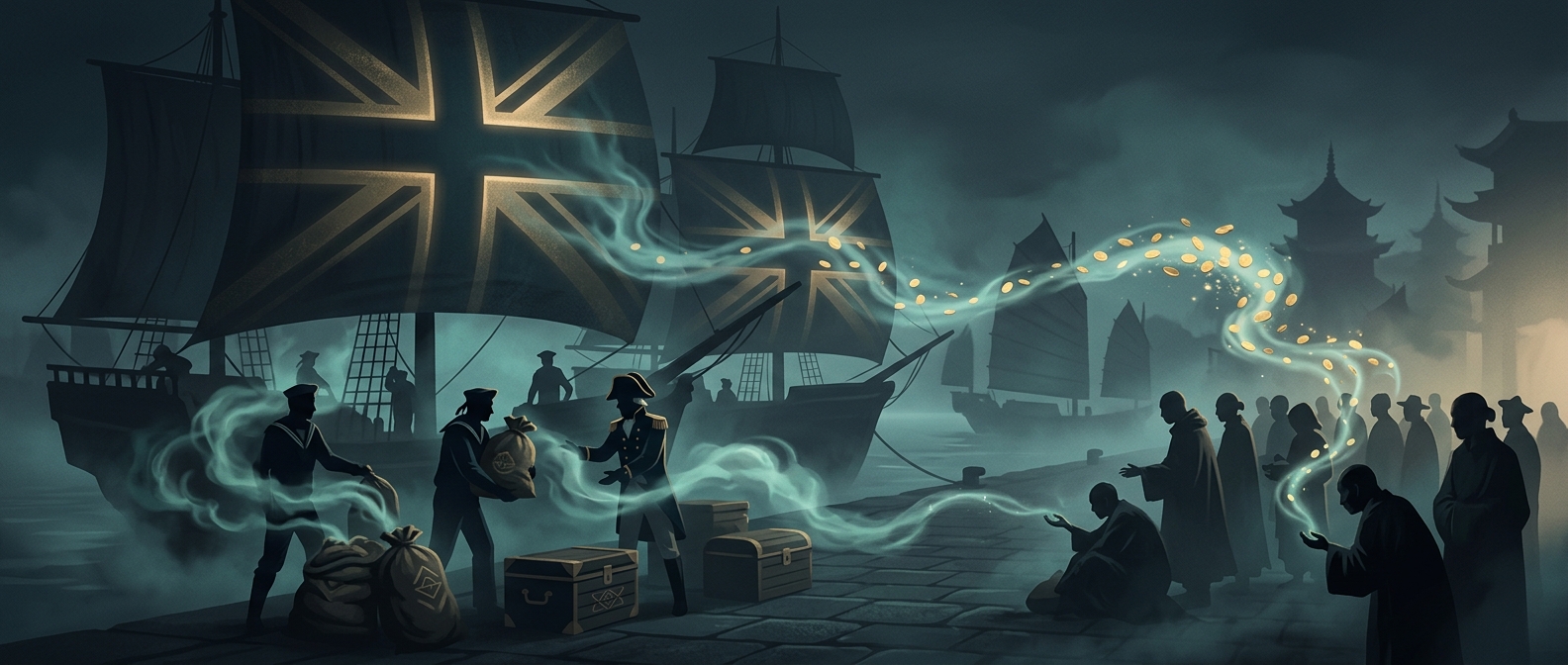
Britain used war to defend a trade China wanted stopped
The East India Company controlled opium production in India and sold it into a trade carried onward by merchants to China. Chinese suppression of the illegal…
Discover more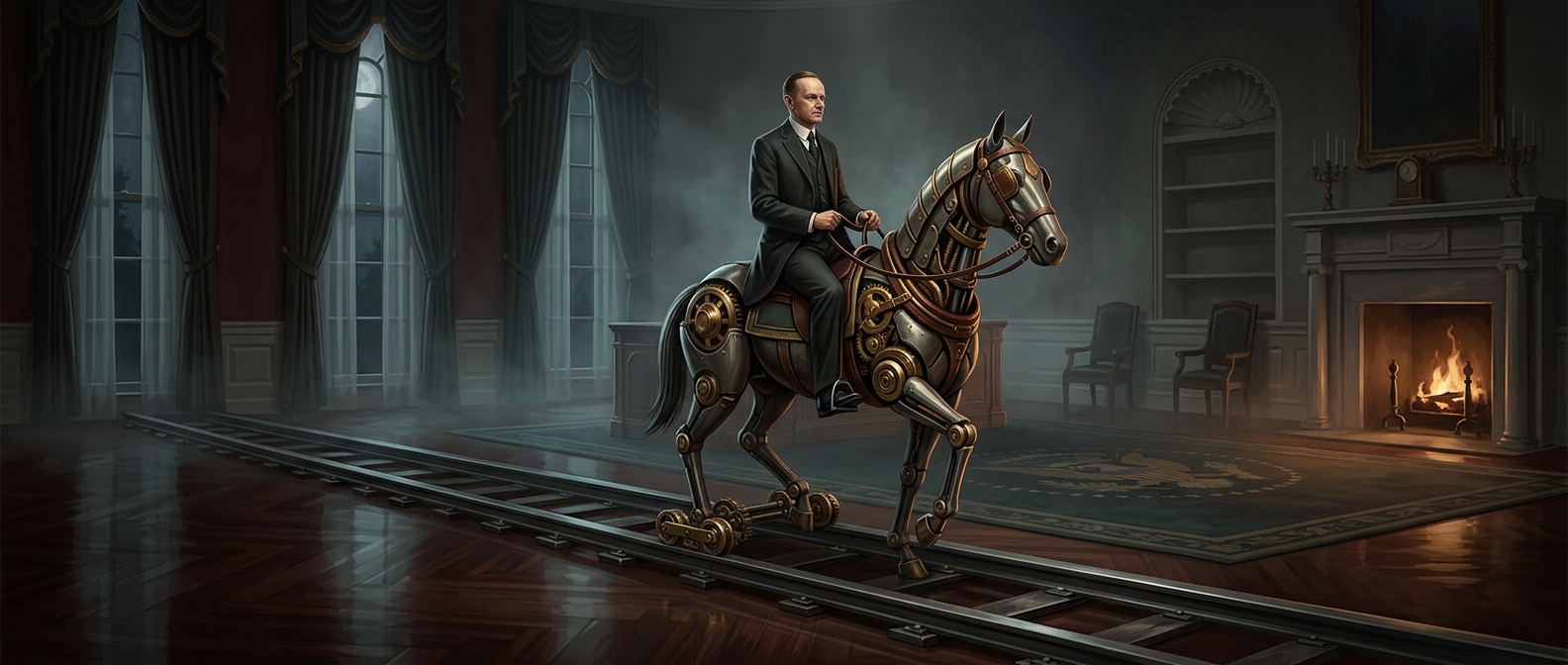
Why Calvin Coolidge rode a mechanical horse
He thought vigorous riding would ease his digestive problems, so he put an electric mechanical horse in his bedroom and rode it each morning. The president…
Discover more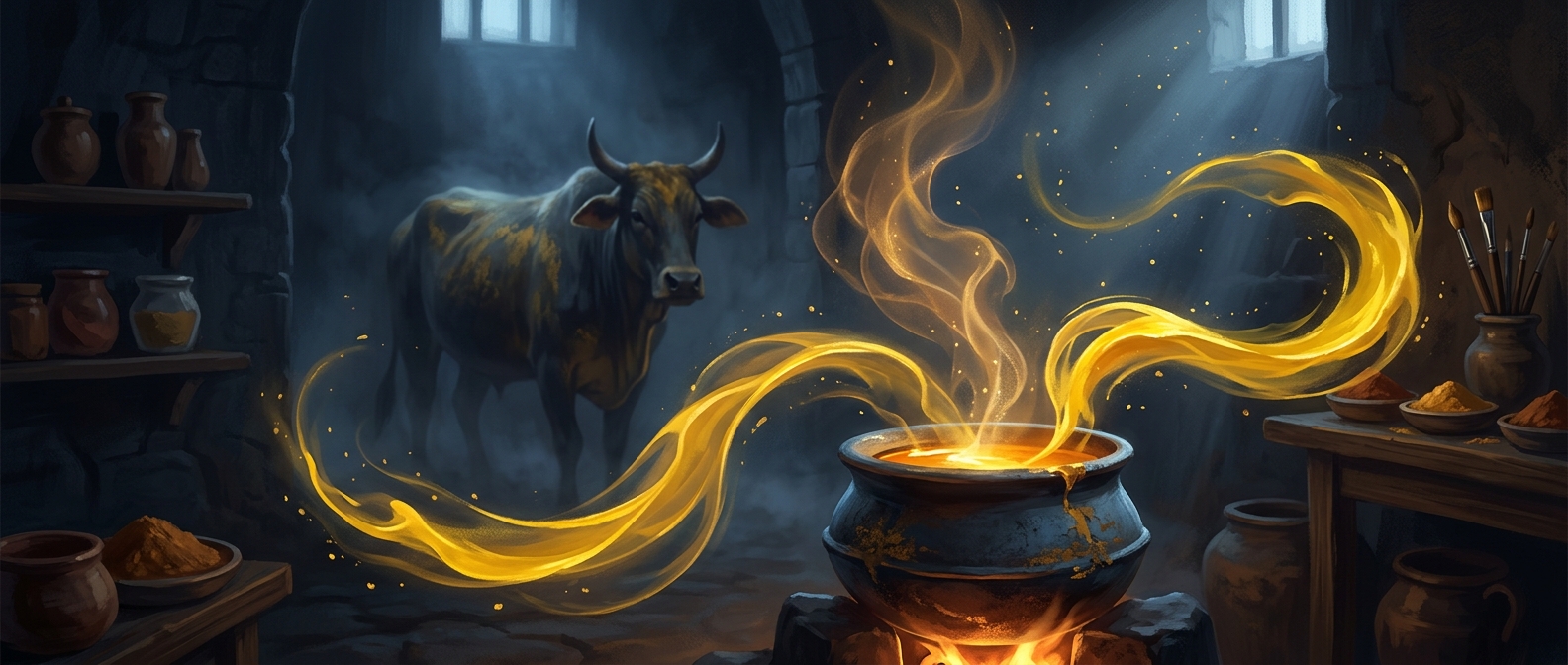
A famous yellow pigment came with a very strange origin story
An 1883 investigation described Indian yellow as being made from the urine of cows fed mango leaves. That account became the standard explanation for the…
Discover more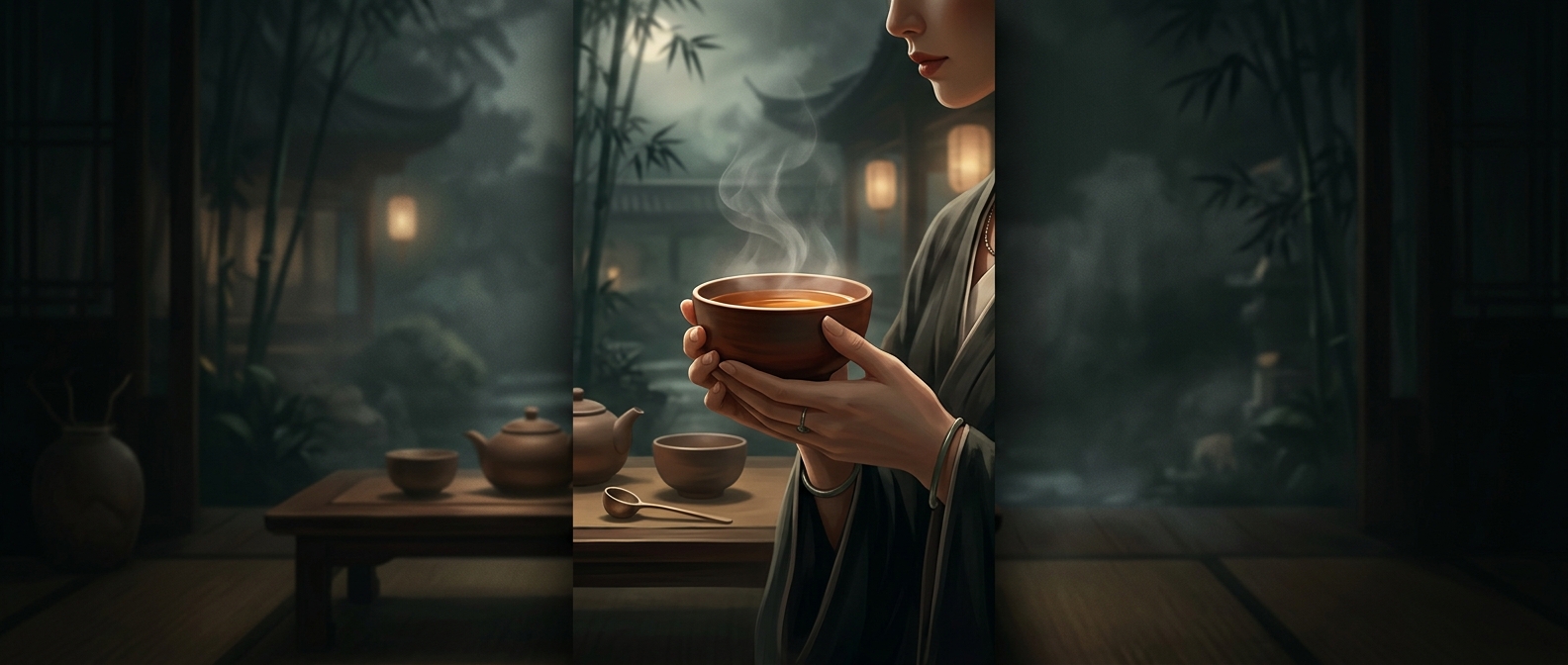
Why early tea cups had no handles
Without handles, drinkers had to pinch the hot porcelain directly and risk burning their fingers.
Discover more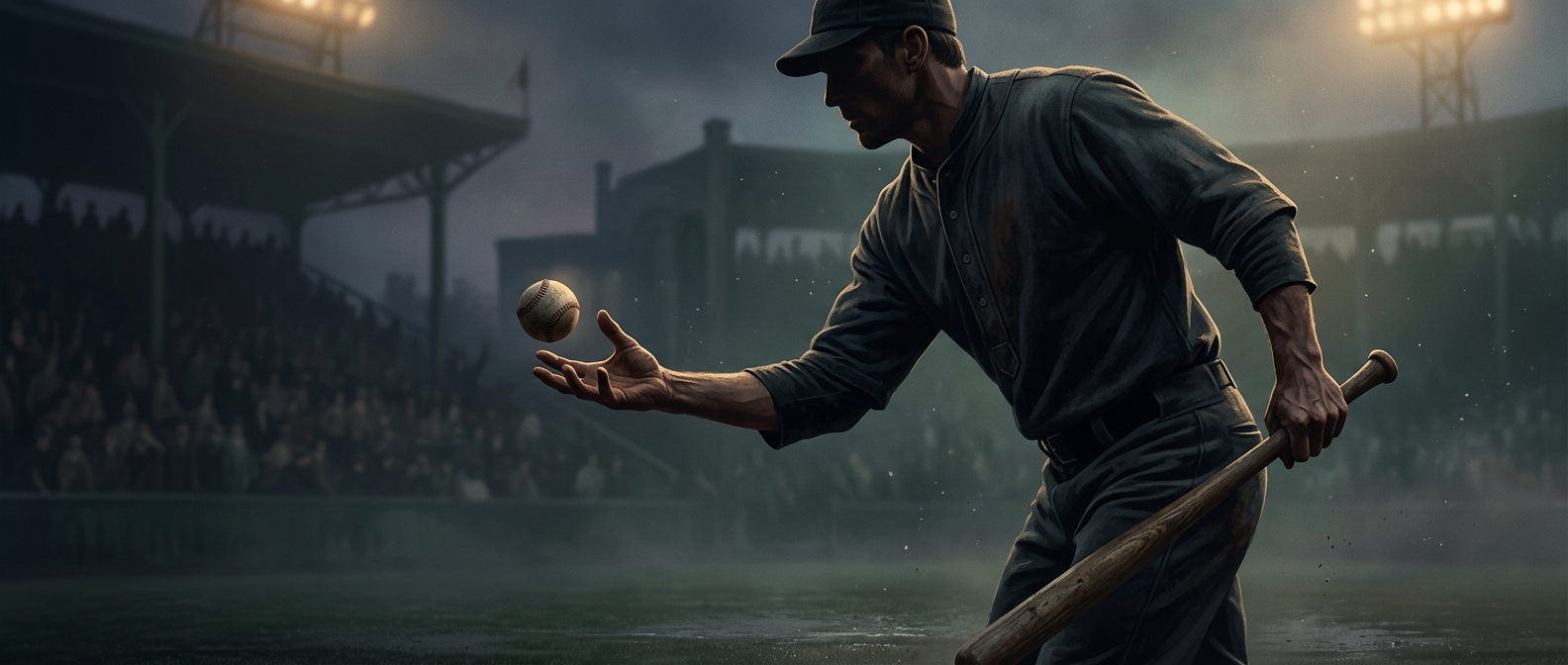
When baseball players caught fastballs barehanded
A padded glove could look like weakness, so players chose bare hands instead. The tradeoff was hard to miss: dislocated fingers and broken bones came with the…
Discover more