History
Discover facts about history. Small discoveries that change the way you see familiar things.
History
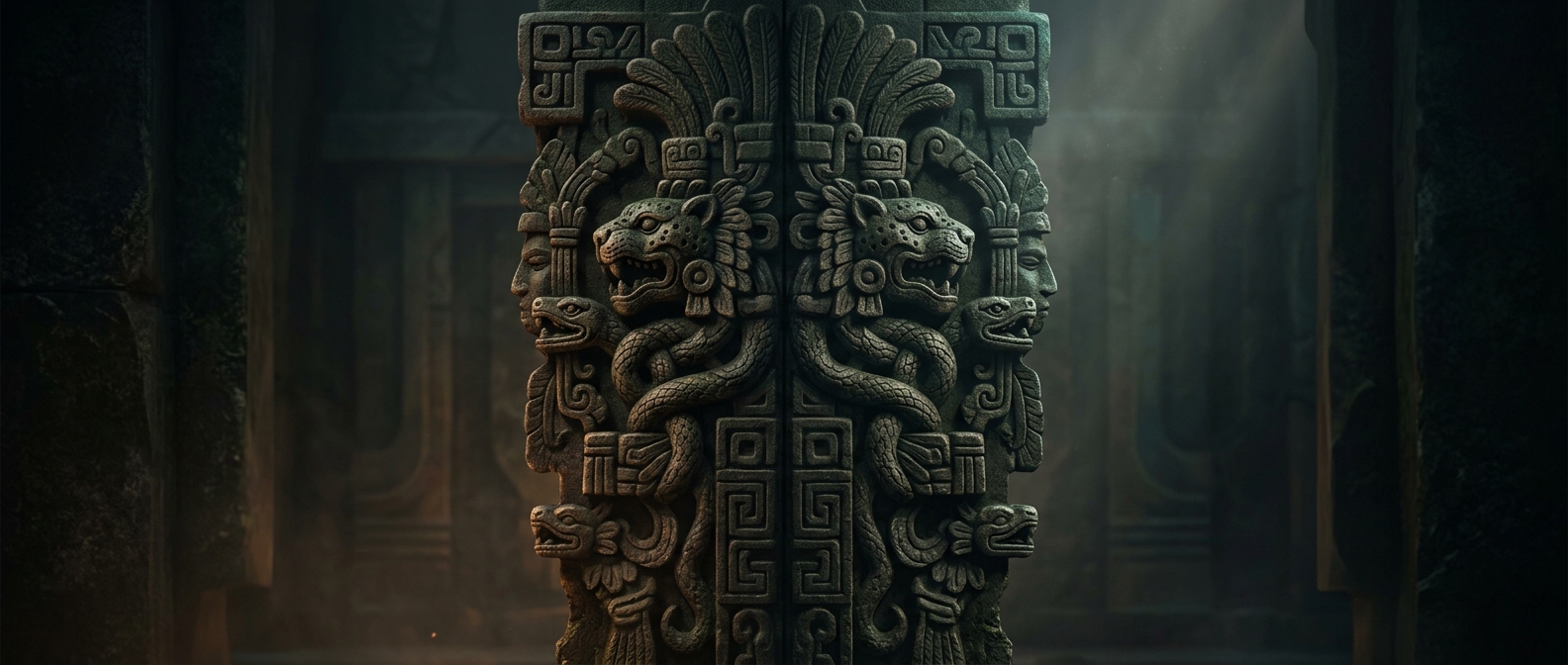
Why Aztec carvings leave almost no space blank
Aztec stone carvings often fill the surface with tightly packed geometric patterns and interlocking figures, leaving little blank stone.
Discover more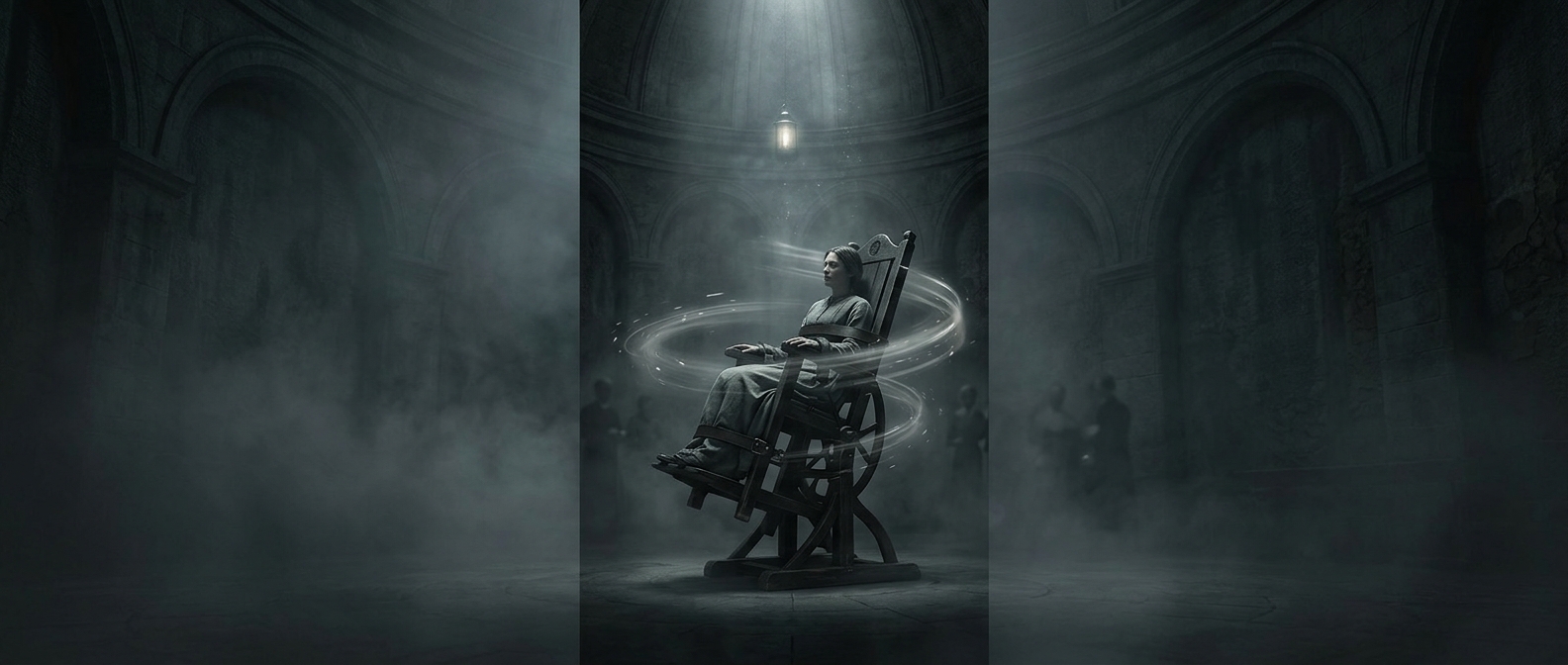
Psychiatry once tried treating patients by spinning them
In the early 1800s, Joseph Cox promoted a rotating chair as a treatment for mental illness. The method spread before falling out of favor. Its more lasting…
Discover more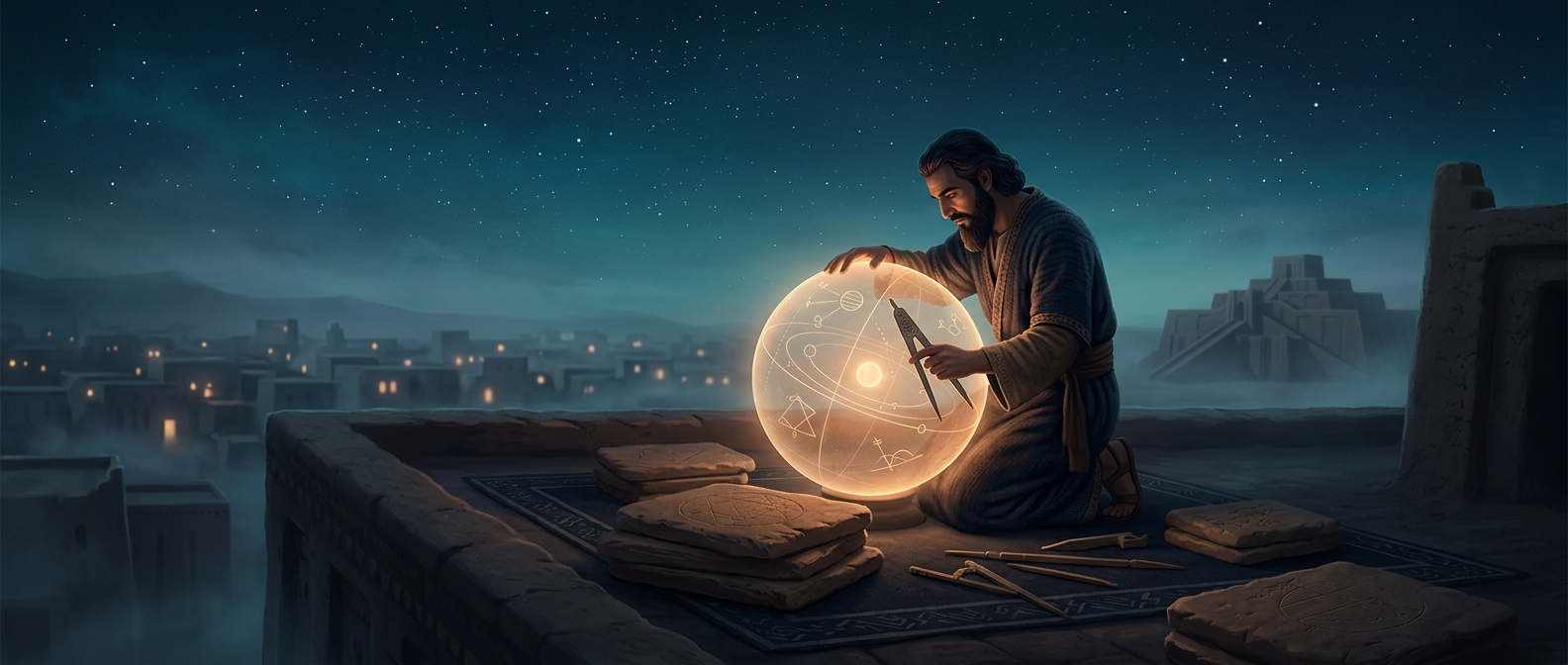
Babylonian astronomers used geometry to track Jupiter
They divided Jupiter’s motion into intervals and used trapezoids to model its changing speed. The calculations went onto clay tablets—a strikingly compact way…
Discover more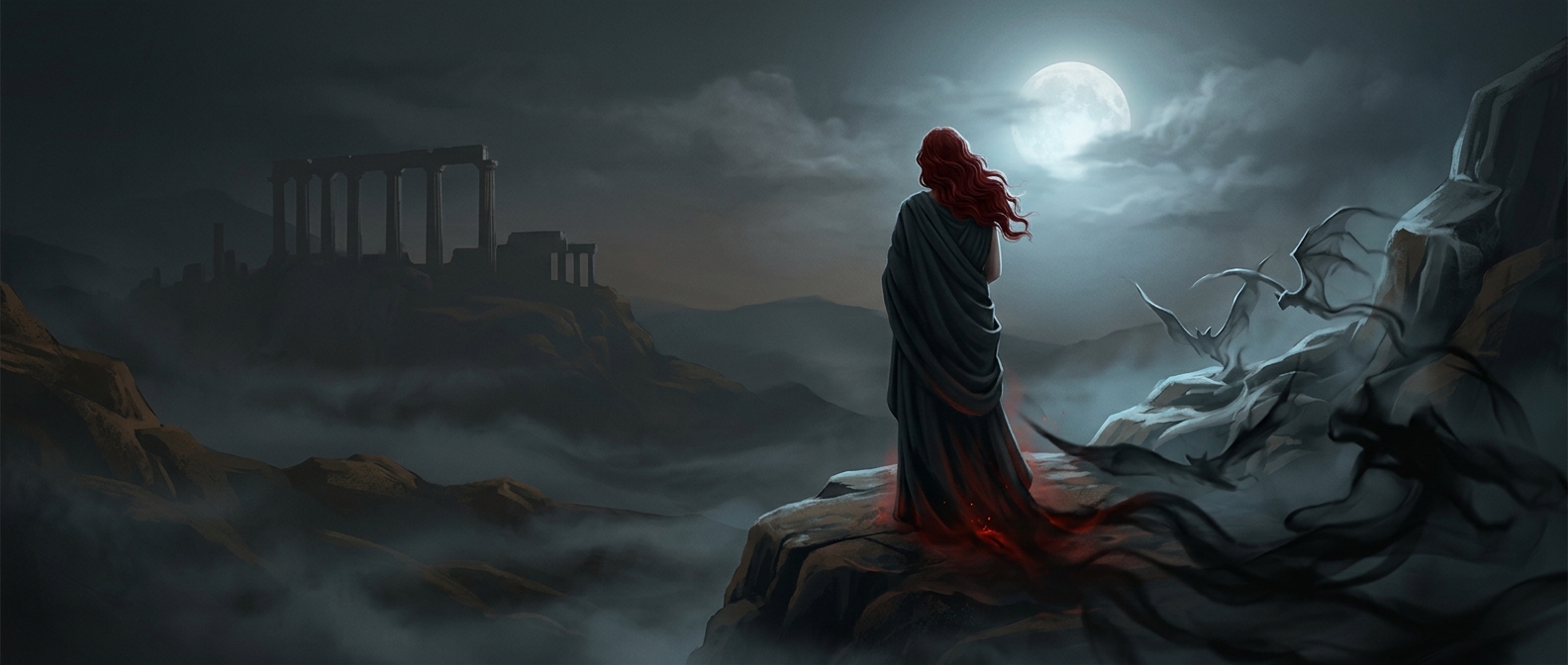
Why ancient Greeks feared redheads would become vampires
They feared redheads might return from the dead as vampires. Some were reportedly burned or dismembered after death to stop it—a fear that followed people…
Discover more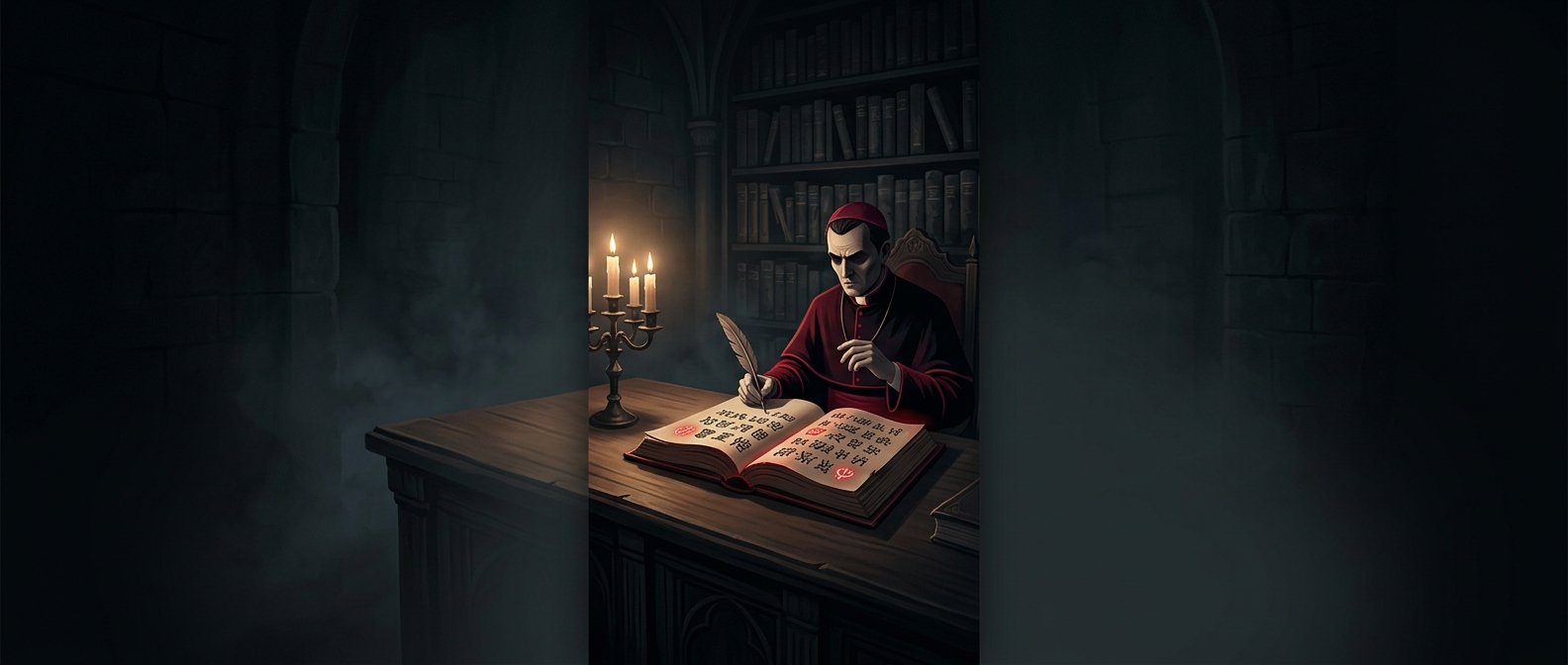
The Spanish Inquisition kept a dictionary of swear words
Inquisitors needed to know whether a phrase was an insult or blasphemy, so they logged regional swear words and insults as a reference guide. Even profanity…
Discover more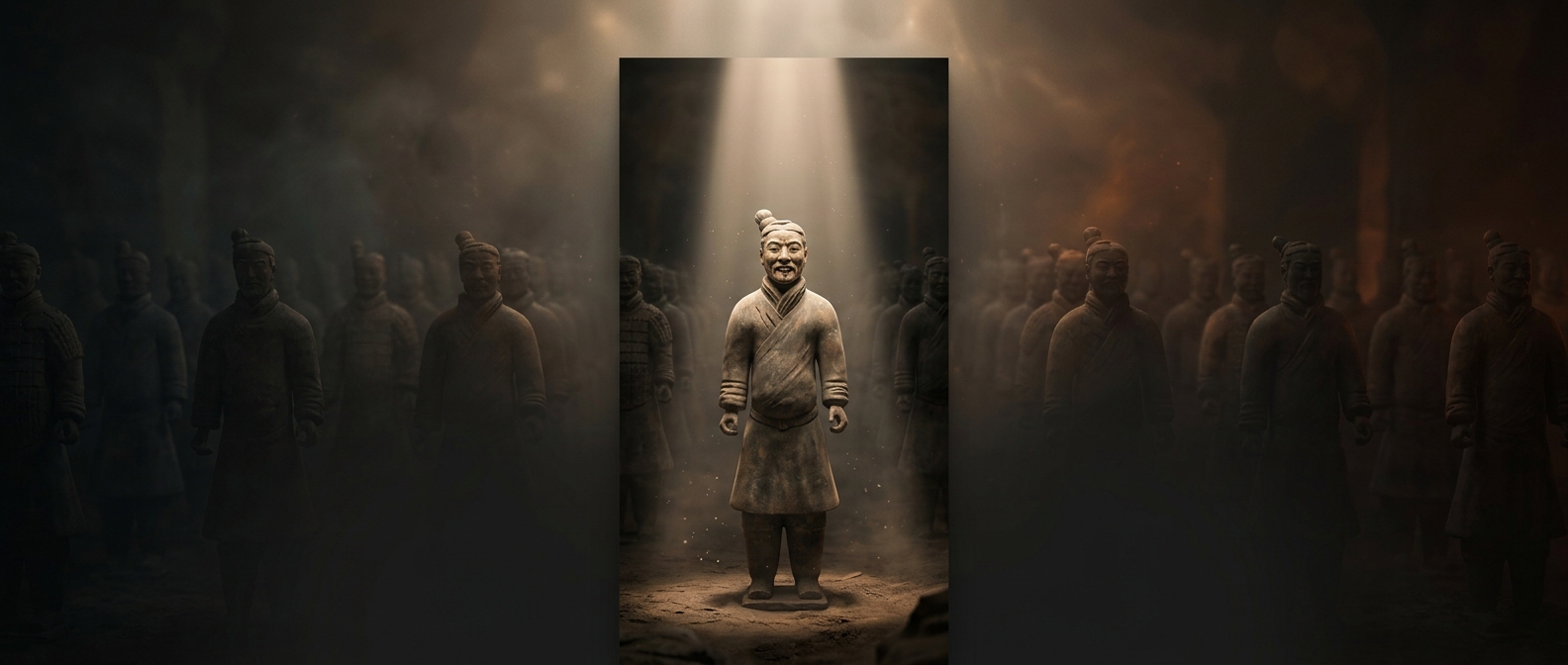
Terracotta warriors reveal individuality in their ears
Researchers compared 3D records of 30 ears and found distinct shapes, raising questions about how much the figures drew on real people. Large-scale production…
Discover more STACKY FOR IPHONE
A bigger world.
One discovery
at a time.
Keep discovering with Stacky. Interesting facts in an app that is always within reach.
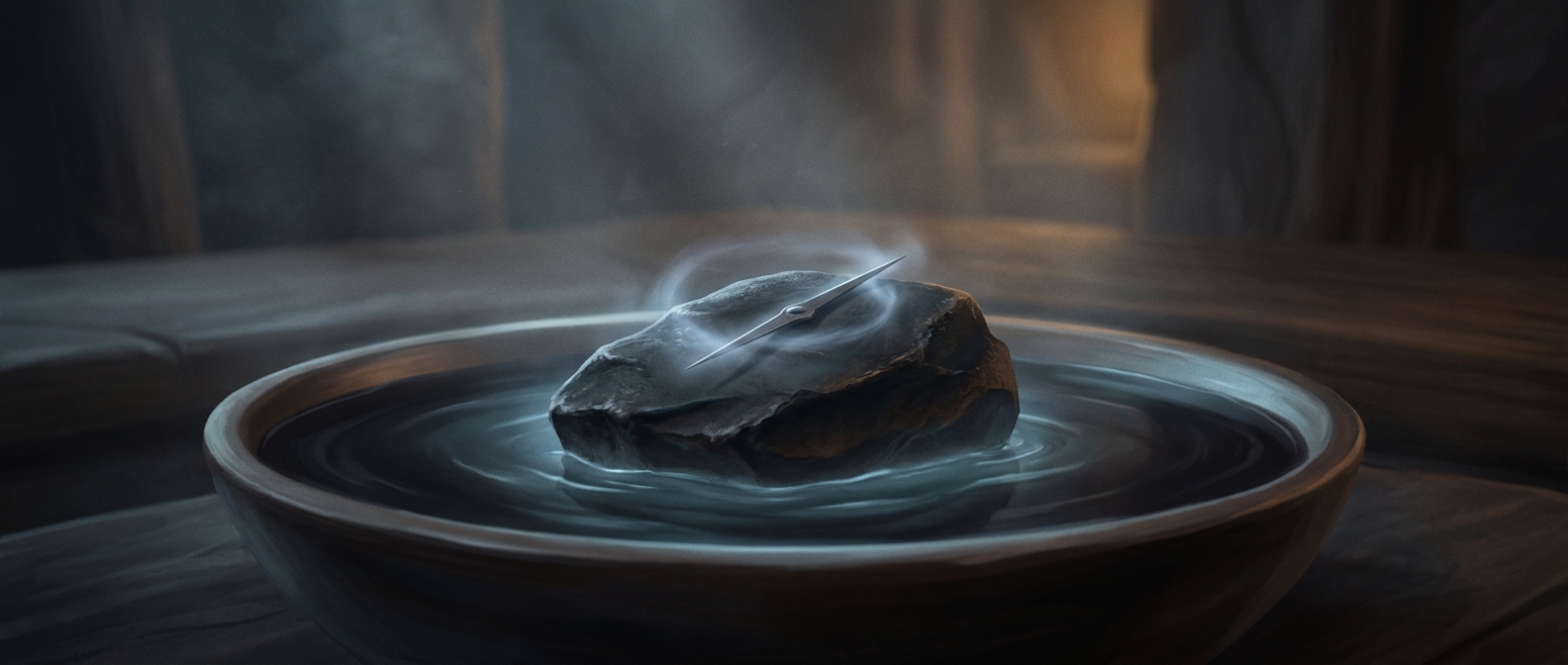
Early compasses used a magnetized rock floating in a bowl of water
A magnetized stone floating on wood in a bowl slowly turned toward magnetic north. The bowl gave the early compass a simple way to point without a needle or a…
Discover more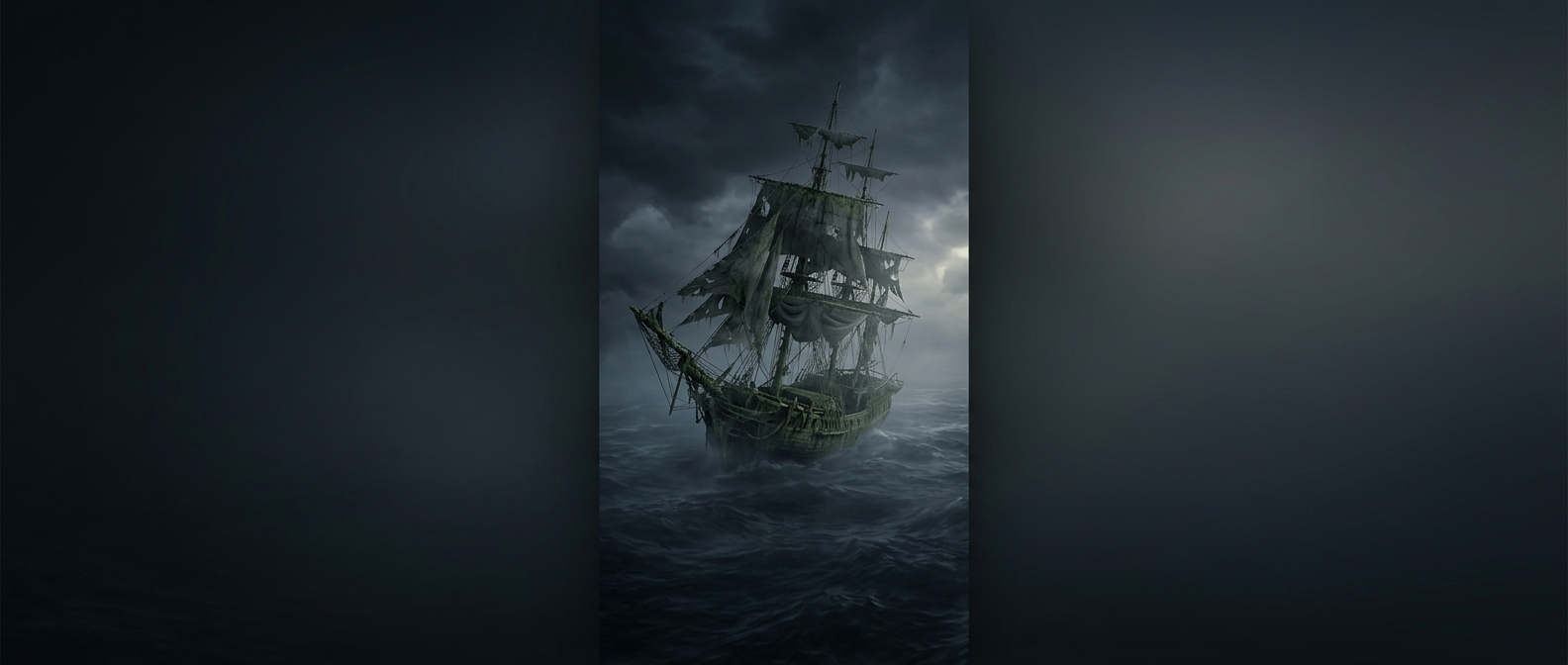
Whaling ships spent years at sea
A whaling voyage could last up to four years as crews boiled blubber into lamp oil at sea. The lamps back home ran on fuel made by a factory that could…
Discover more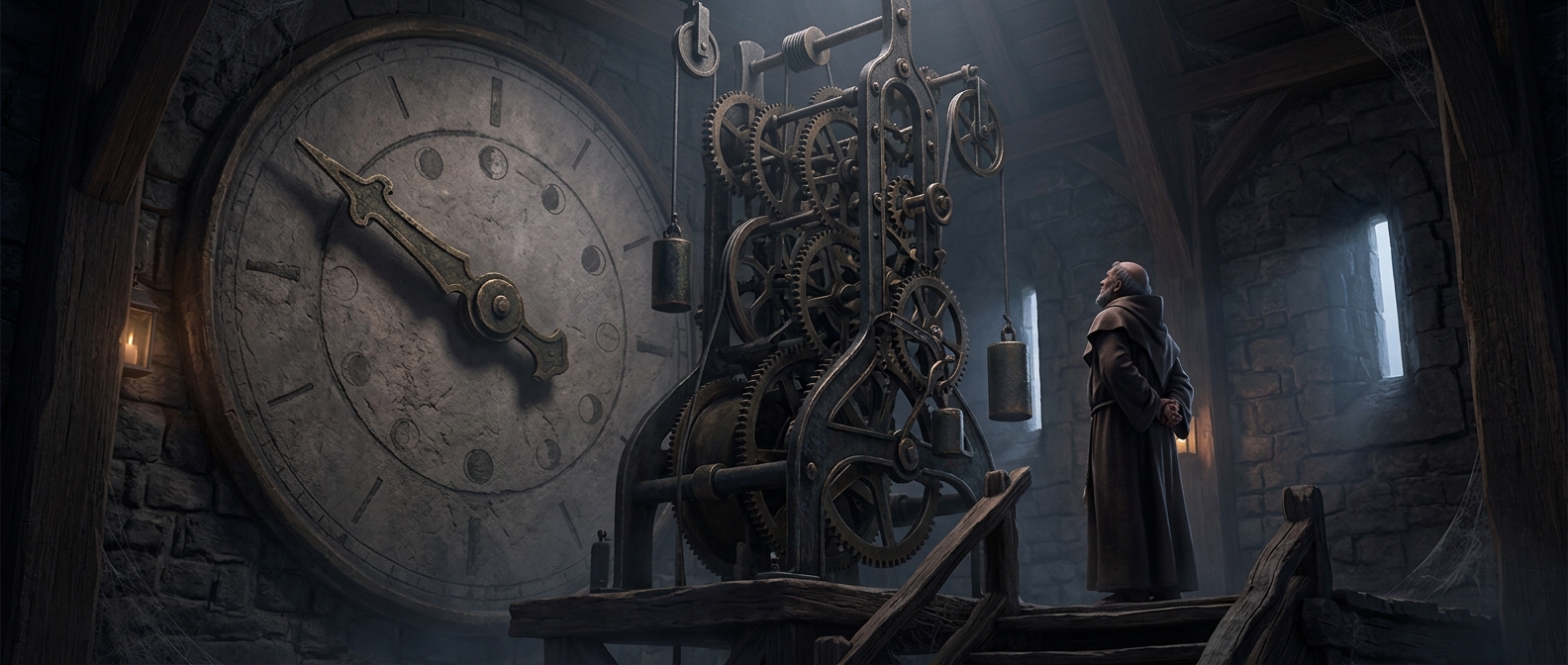
The first mechanical clocks had just one hand
Early clocks marked hours, not minutes, so telling 2:20 meant estimating the space between hour marks. The clock gave you the hour; the rest was up to your eye.
Discover more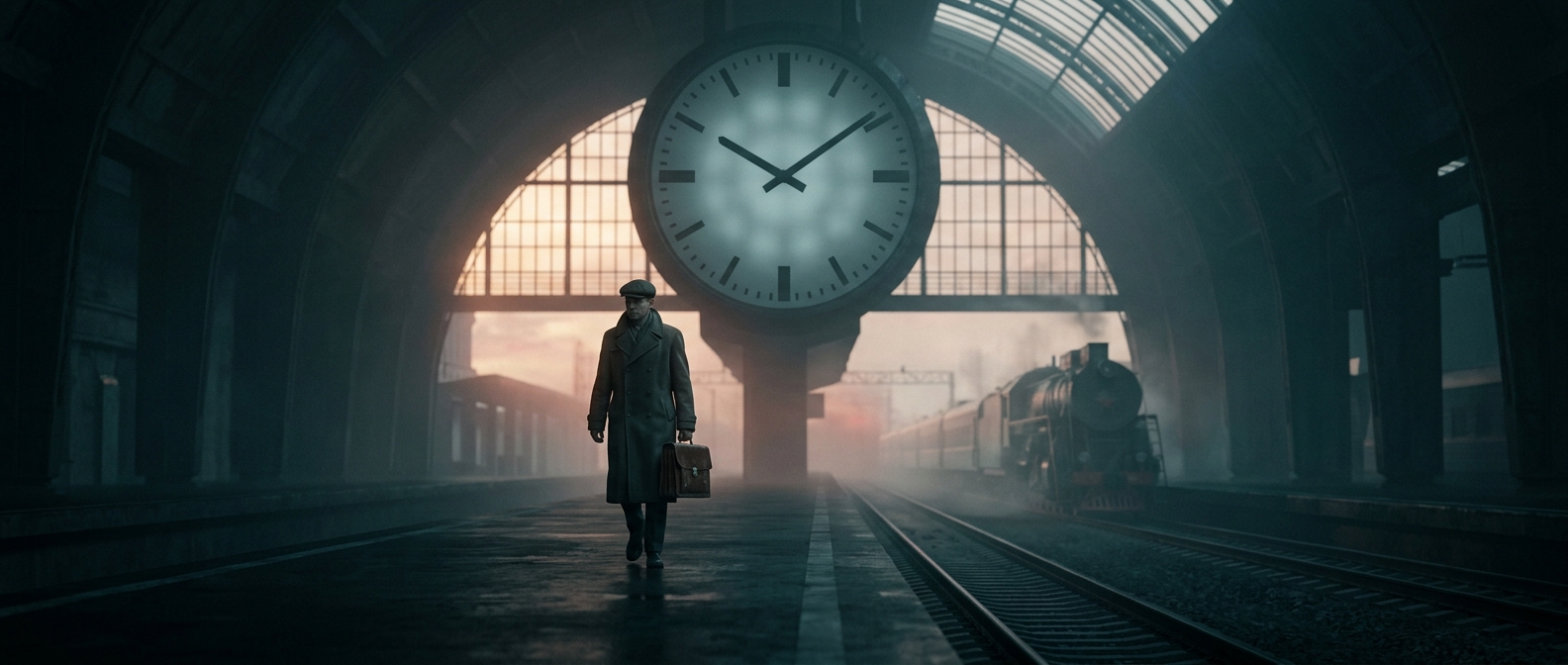
The Soviet Union once kept clocks on permanent summer time
In 1930, the Soviet government moved clocks forward an hour and left them there. Permanent summer time lasted more than 50 years—a one-hour change that became…
Discover more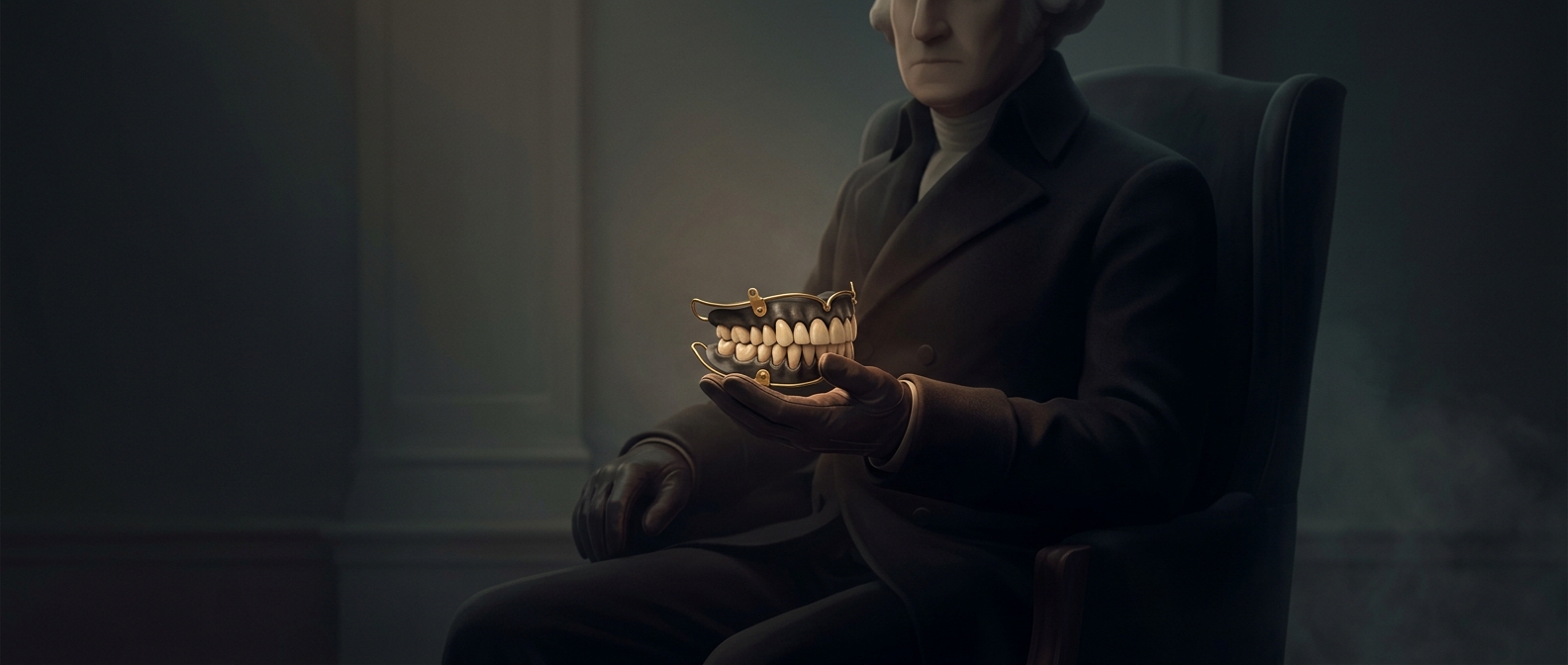
Washington’s accounts record a purchase of enslaved people’s teeth
A 1784 entry records payment for nine teeth obtained for dentist Jean Pierre Le Mayeur. Human teeth were traded for dental work at the time, alongside…
Discover more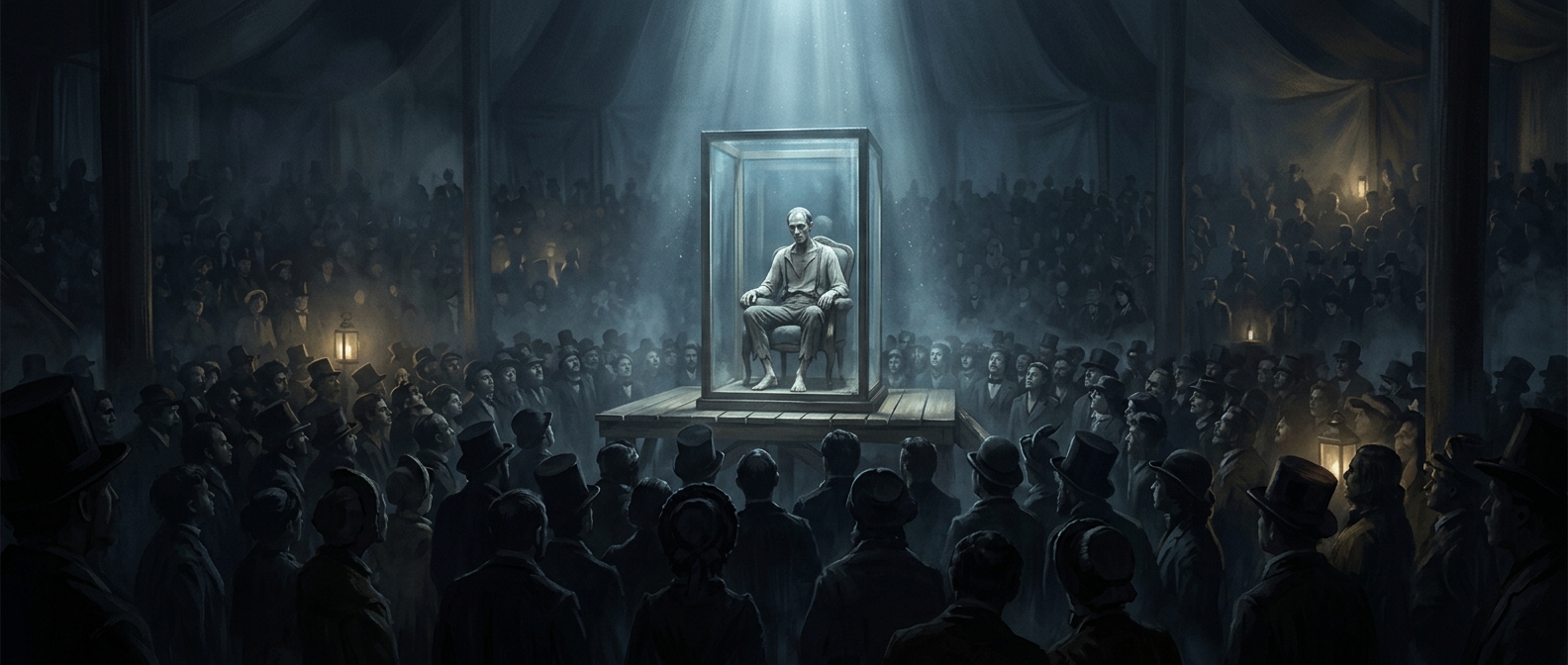
When starvation became a spectator sport
Victorian “hunger artists” spent weeks in cages with only water as paying audiences watched their bodies weaken. Starvation became both the performance and…
Discover more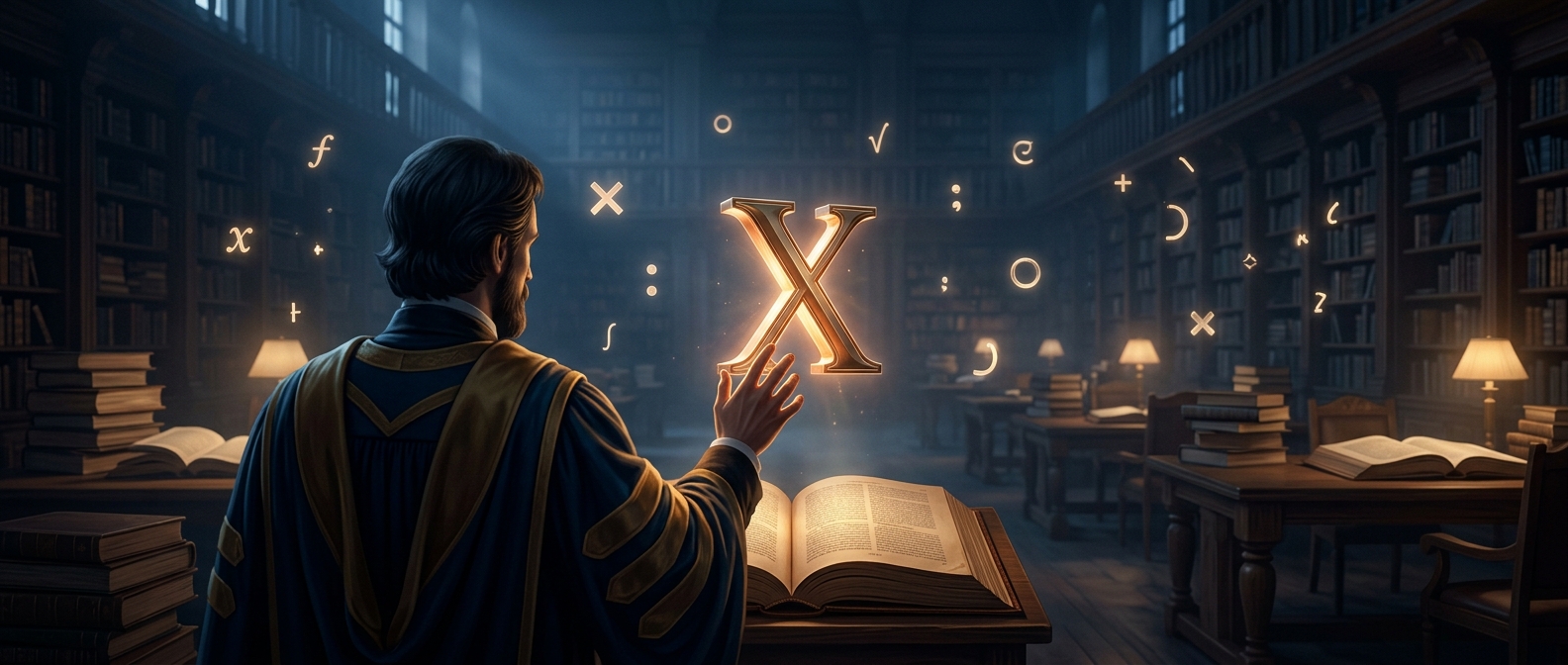
Why the multiplication sign is an X
The × is simply a cross turned diagonally, distinguishing it from the + used for addition.
Discover more
The tangram puzzle is made from exactly seven shapes cut from one square
Players rearrange the seven shapes into silhouettes without overlapping them.
Discover more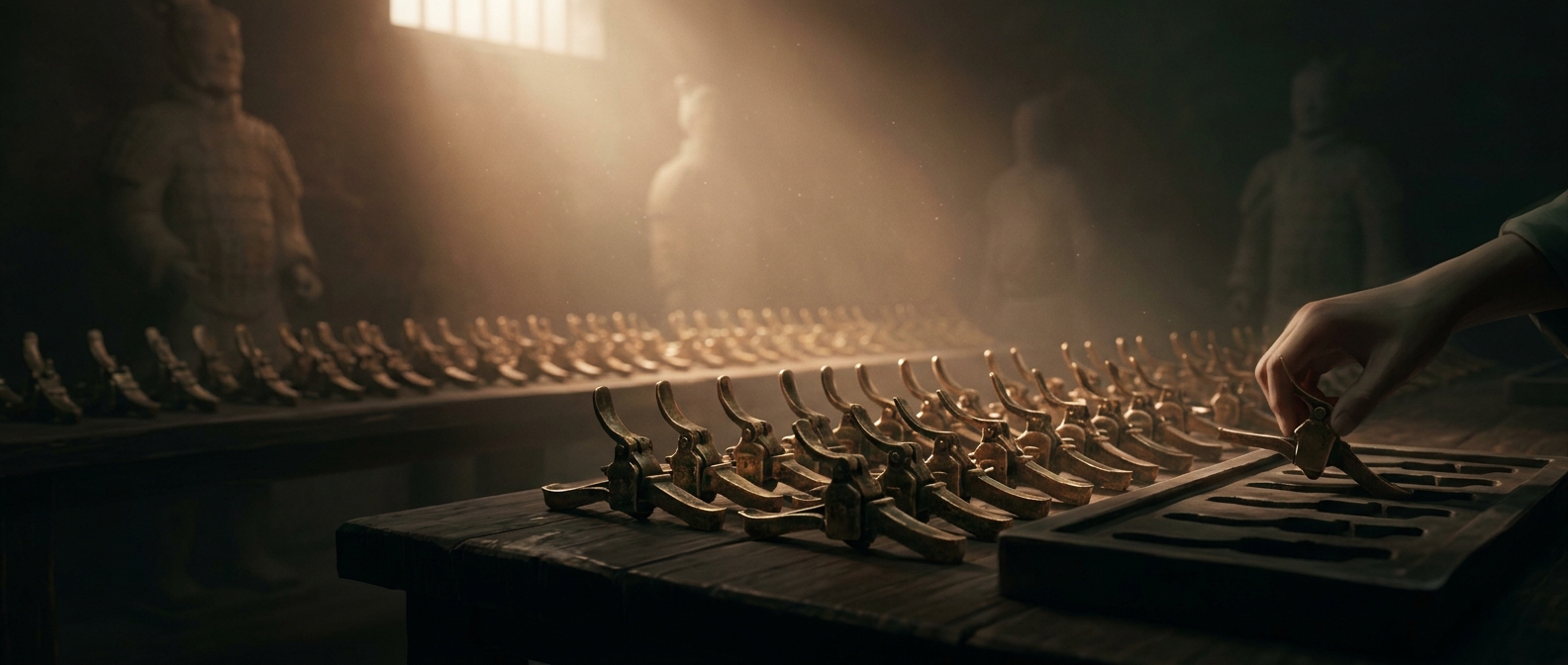
Ancient Chinese military mass produced crossbow triggers
Bronze triggers were cast to standard sizes, so a broken mechanism could be swapped out without making a custom part. It was a practical way to keep crossbows…
Discover more
Route 66 helped invent the modern American road trip across the Southwest
Route 66 turned a long drive into a string of reasons to stop: roadside attractions and diners competed for motorists’ time and money. The road trip became…
Discover more
The dog fur that inspired Velcro
Burrs hooked into an engineer’s dog’s fur, so he studied their tiny hooks under a microscope and copied the design. The result was Velcro: a fastener inspired…
Discover more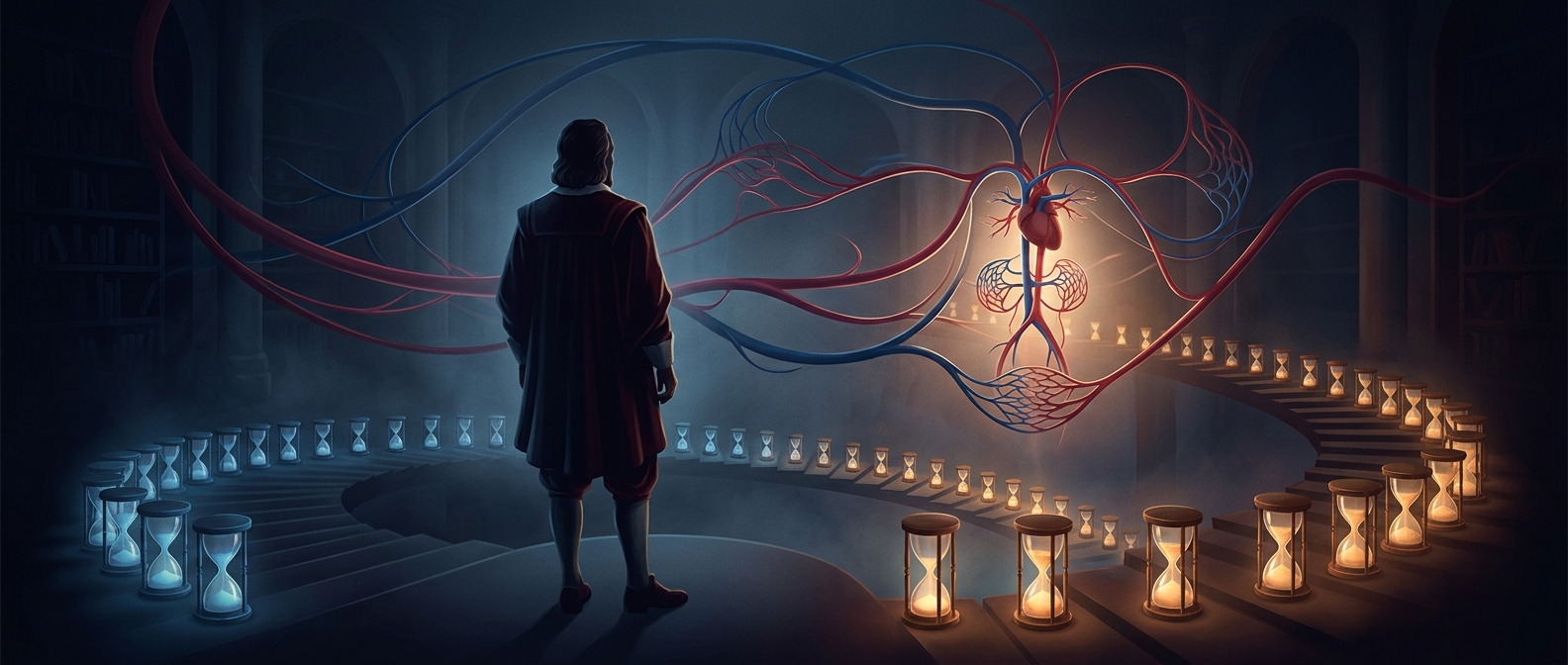
William Harvey waited twelve years to publish his discovery of blood circulation
Harvey's claim that blood circulated through the body challenged Galen, whose ideas had shaped medical teaching for centuries. He delayed publication amid the…
Discover more
Voltaire reportedly drank an estimated 70 cups of coffee and chocolate daily
Voltaire reportedly drank about 70 cups of a coffee-and-chocolate mixture a day. His doctor warned him it would kill him, but Voltaire outlived the doctor by…
Discover more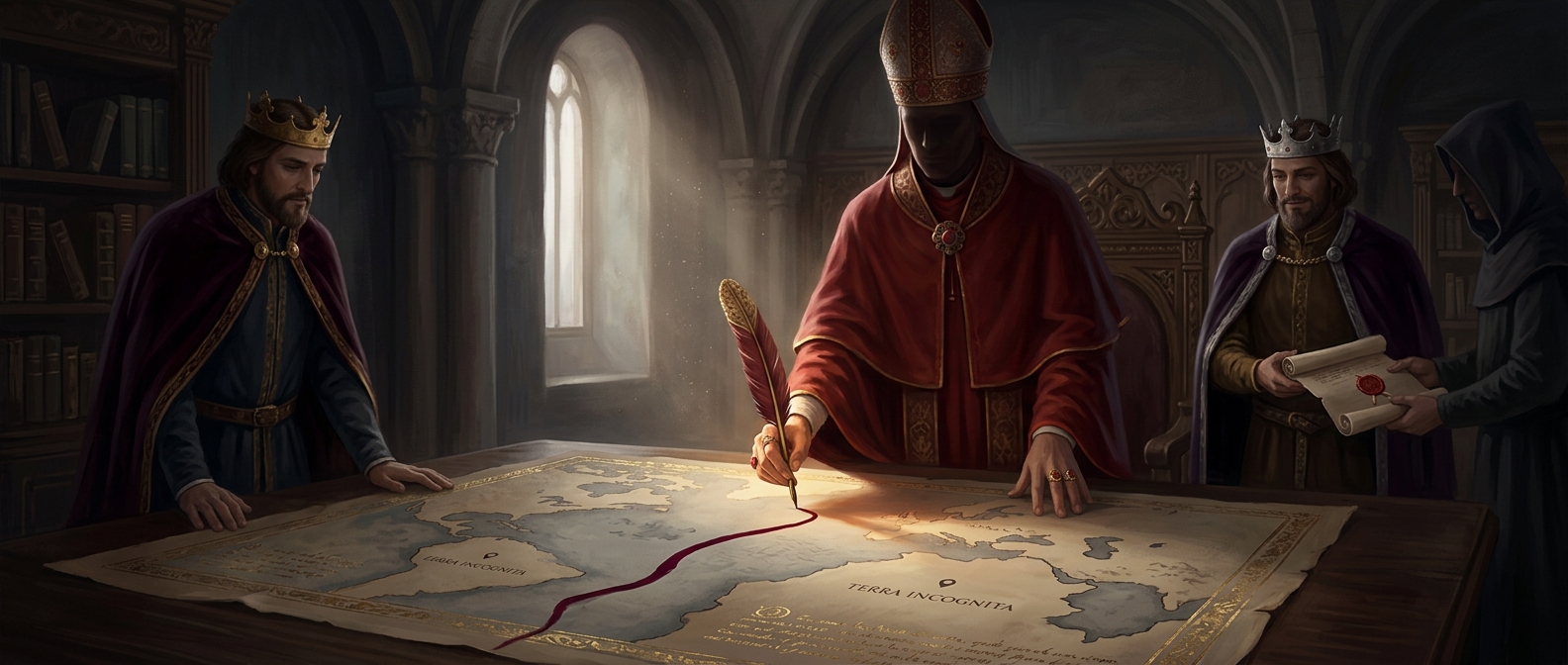
The Pope once divided half the world between Spain and Portugal
The decree drew a line on a map and assigned Spain one side of the so-called undiscovered world and Portugal the other—even though neither crown had seen much…
Discover more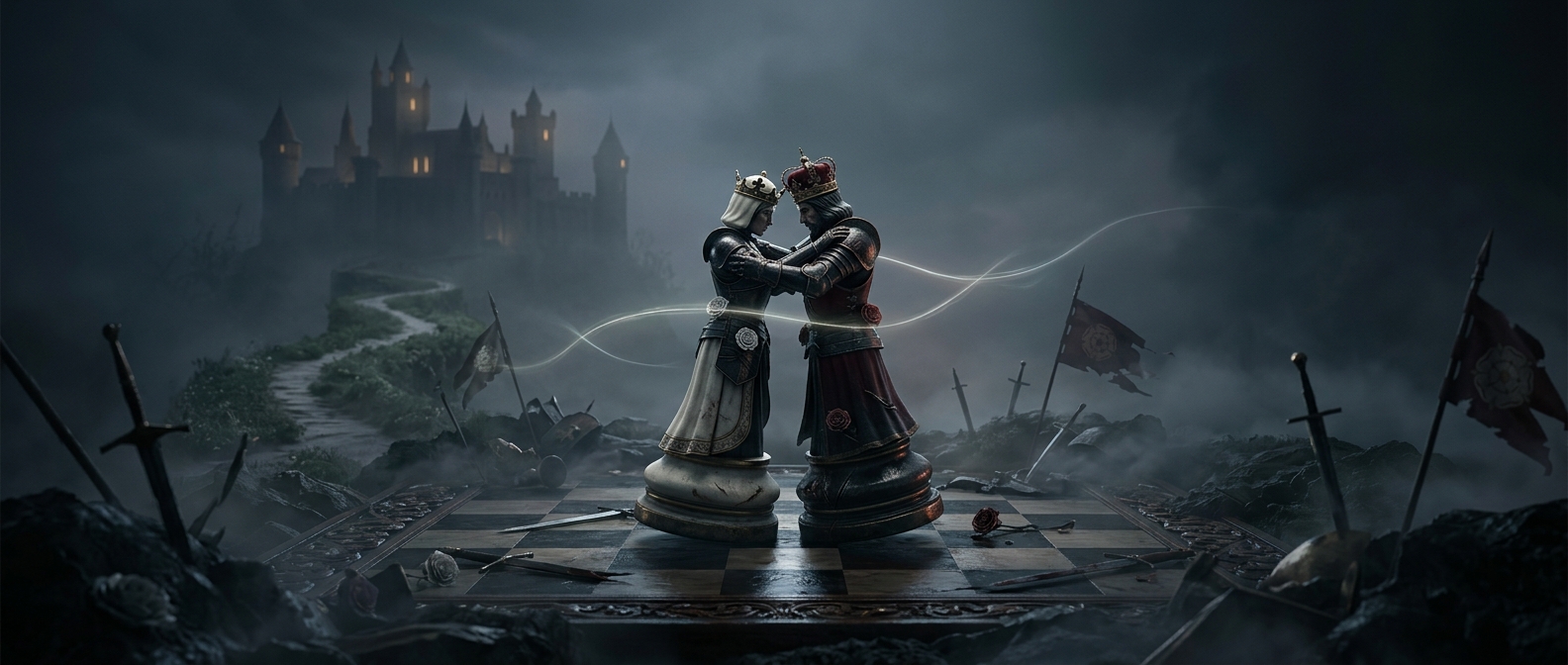
The War of the Roses was a decades-long fight over England's throne
Both rival houses were branches of the same royal family, and shifting alliances kept reshuffling the sides. The names suggest two tidy teams; the family feud…
Discover more
The Sahara was once green and filled with lakes
Shifts in Earth’s orbit once strengthened the African monsoon, bringing rain, lakes, and grasslands to what is now the Sahara. When the rains weakened, the…
Discover more
Sweden's population tables reach back to 1749
National records assembled from parish information grew into an unusually long statistical history of births, deaths, and population change. Statistics Sweden…
Discover more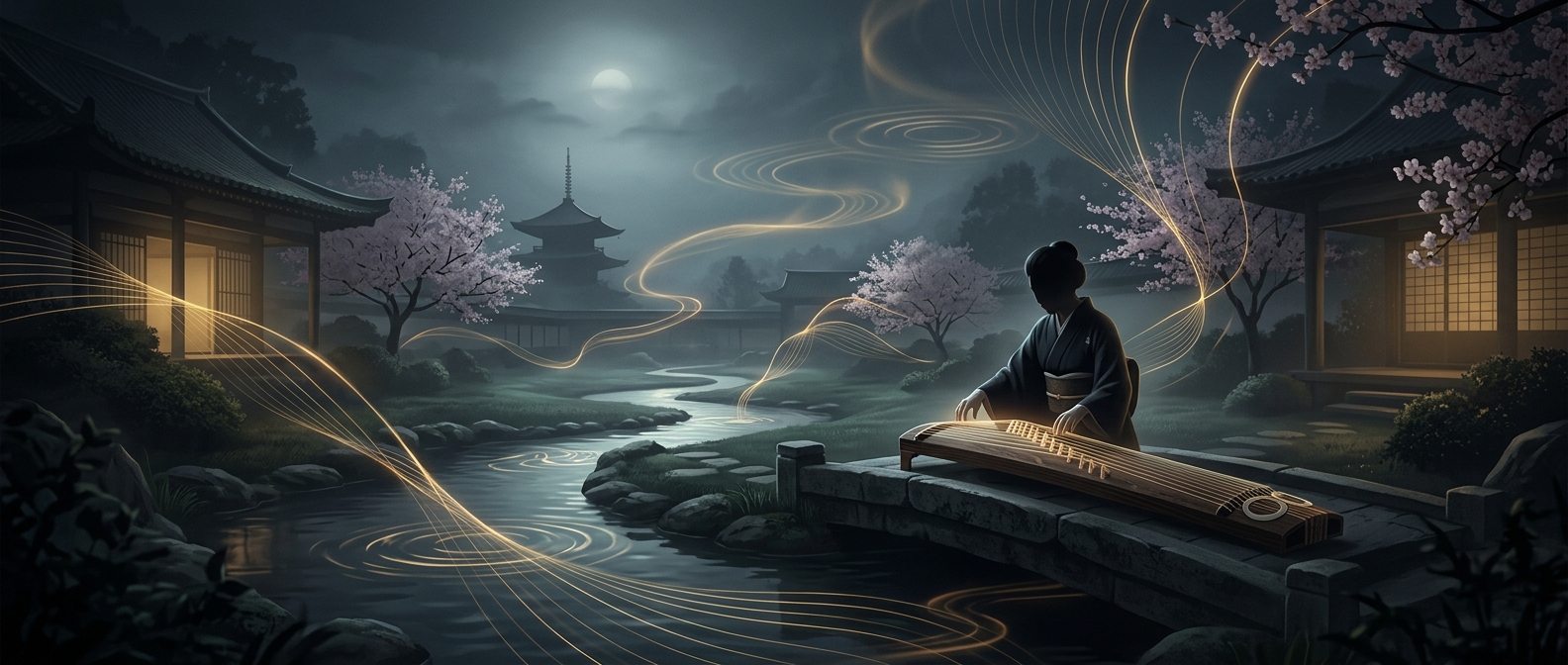
Japan’s traditional sound was shaped by the koto, a long instrument with strings
The koto began in elite circles before spreading more widely, helping shape Japan’s traditional music.
Discover more